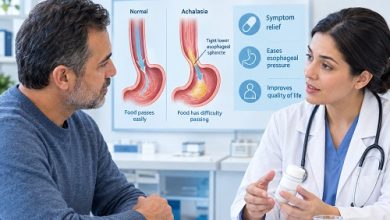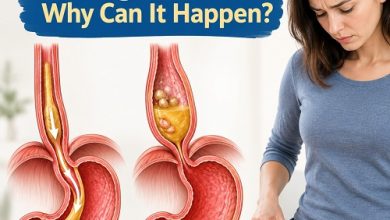

Achalasia is a rare swallowing disorder that affects the oesophagus, the muscular tube that carries food from the mouth to the stomach. People with achalasia may find it difficult to swallow food and liquids because the lower oesophageal sphincter does not relax properly. Food can therefore remain trapped in the oesophagus instead of passing smoothly into the stomach.
Several treatments can help reduce these symptoms and improve the movement of food through the oesophagus. One established option is pneumatic dilation for achalasia, a procedure that uses a specialised balloon to stretch the lower oesophageal sphincter. This treatment aims to reduce the pressure at the junction between the oesophagus and stomach, making swallowing easier.
Pneumatic dilation is sometimes called balloon dilation or esophageal dilation. Although the procedure can provide significant symptom relief, it also carries potential risks and may not be suitable for everyone. Understanding how the procedure works, its benefits, possible complications and long-term outcomes can help you discuss your options with a gastroenterologist.
What Is Pneumatic Dilation for Achalasia?
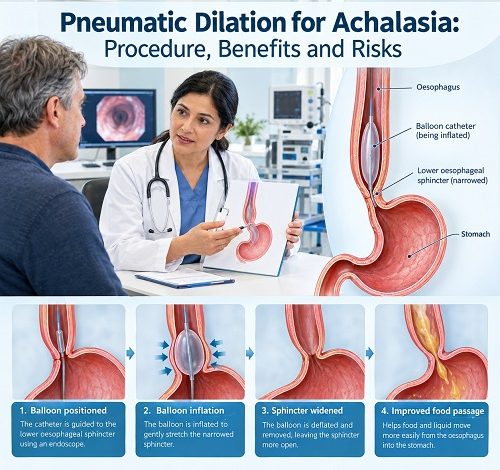
Pneumatic dilation for achalasia is a minimally invasive procedure used to treat the swallowing problems caused by achalasia. During the procedure, a doctor places a specialised balloon across the lower oesophageal sphincter. The balloon is then inflated to stretch and partially disrupt the muscle fibres that are preventing food from passing normally into the stomach.
Unlike some treatments that require surgery, pneumatic dilation usually does not involve making an external incision. It is generally performed using an endoscope, which allows the doctor to see the inside of the upper digestive tract.
The main purpose of this achalasia treatment is to lower the resistance at the lower oesophageal sphincter. When the sphincter becomes less tight, food and liquids can pass into the stomach more easily.
Pneumatic dilation does not restore normal oesophageal muscle function or cure the underlying cause of achalasia. Instead, it focuses on improving the passage of food and reducing symptoms such as difficulty swallowing and regurgitation.
Why Is Pneumatic Dilation Used for Achalasia?
In a healthy digestive system, the lower oesophageal sphincter opens when food reaches the lower end of the oesophagus. In achalasia, this muscle does not relax normally. The oesophagus may also lose some of its ability to push food towards the stomach.
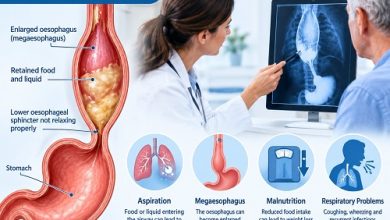
This combination can cause food and liquid to build up inside the oesophagus.
Common Achalasia symptoms include:
- Difficulty swallowing food or liquids
- Regurgitation of undigested food
- Chest discomfort or pain
- A sensation that food is stuck
- Coughing, particularly at night
- Unintentional weight loss
- Heartburn-like symptoms
- Difficulty eating normally
By stretching the lower oesophageal sphincter, balloon dilation can reduce the resistance that prevents food from entering the stomach.
Doctors may consider pneumatic dilation as an initial treatment or as an option when symptoms return after previous treatment.
How Is Achalasia Diagnosed Before Dilation?
Before recommending esophageal dilation, your doctor needs to confirm that achalasia is responsible for your symptoms. Several tests may be used.
Upper Endoscopy
An upper endoscopy allows a doctor to examine the oesophagus, stomach and upper digestive tract. It can help exclude conditions that may produce similar swallowing problems, including narrowing caused by other diseases.
Oesophageal Manometry
Oesophageal manometry measures pressure and muscle activity in the oesophagus. It is an important test for diagnosing achalasia because it can show whether the lower oesophageal sphincter relaxes properly during swallowing.
Barium Swallow
During a barium swallow, you drink a liquid containing barium while X-rays are taken. The test can show how the oesophagus moves food towards the stomach and whether the lower oesophageal sphincter is obstructing passage.
The results of these tests help the specialist determine whether pneumatic dilation is an appropriate treatment.
How Does Pneumatic Dilation Work?
The exact technique can vary depending on the patient’s circumstances and the specialist’s approach. Generally, the procedure involves placing a specialised dilation balloon across the lower oesophageal sphincter.
The balloon is carefully positioned and inflated under controlled conditions. Inflation stretches the muscle and may cause a controlled disruption of some muscle fibres.
The goal is to reduce the pressure of the lower oesophageal sphincter without causing excessive damage to the surrounding tissues.
Different balloon sizes may be used depending on factors such as the patient’s age, anatomy, previous treatment and clinical response.
Because the procedure can carry a risk of oesophageal perforation, it should be performed by an experienced specialist in an appropriate medical setting.
What Happens During the Procedure?
Before pneumatic dilation for achalasia, your healthcare team will provide instructions about fasting and any Achalasia medications that need to be adjusted.
The procedure is commonly performed with sedation or anaesthesia, depending on the clinical setting and the doctor’s approach.
During the procedure:
- An endoscope may be used to examine the oesophagus.
- The dilation balloon is positioned across the lower oesophageal sphincter.
- The balloon is inflated to stretch the muscle.
- The balloon is deflated and removed.
- The doctor checks the area and monitors you for Achalasia complications.
The procedure itself may be relatively short, but you will normally remain under observation afterwards.
Your healthcare team may recommend monitoring or additional tests if there is concern about a complication.
What Can You Expect After Pneumatic Dilation?
After balloon dilation, you may experience temporary chest discomfort, mild soreness or difficulty swallowing. Your doctor will provide instructions about when to restart drinking and eating.
You may initially be advised to consume liquids or soft foods before gradually returning to your usual diet.
It is important to follow your specialist’s post-procedure instructions carefully.
Some people notice an improvement in swallowing relatively quickly, while others may require additional treatment before achieving satisfactory symptom control.
Contact your healthcare provider promptly if you develop severe or worsening chest pain, difficulty breathing, fever, persistent vomiting, severe abdominal pain or other concerning symptoms after the procedure.
Benefits of Pneumatic Dilation for Achalasia
One of the main advantages of pneumatic dilation for achalasia is that it can provide meaningful relief from swallowing difficulties.
Potential benefits include:
Improved Swallowing
Reducing the tightness of the lower oesophageal sphincter can make it easier for food and liquids to enter the stomach.
Reduction in Regurgitation
When food is able to pass through the lower oesophageal sphincter more effectively, less food may remain in the oesophagus and come back into the mouth.
Minimally Invasive Treatment
Pneumatic dilation does not usually require external surgical incisions. This can make it an attractive option for suitable patients.
Relatively Short Procedure
Compared with some surgical approaches, balloon dilation can be performed within a relatively short treatment session, although individual circumstances vary.
Repeat Treatment May Be Possible
Achalasia is a chronic condition, and symptoms can return. One advantage of pneumatic dilation is that the procedure can sometimes be repeated if symptoms recur and the specialist considers further treatment appropriate.
How Effective Is Pneumatic Dilation?
The effectiveness of pneumatic dilation for achalasia varies between individuals. Some people experience substantial and long-lasting improvement after treatment, while others may eventually experience recurrent symptoms.
Treatment outcomes can depend on several factors, including the type of achalasia, age, previous treatment and the technique used.
Some patients require more than one dilation to achieve or maintain symptom control.
Your specialist may monitor your symptoms over time and recommend further testing if swallowing difficulties return.
It is also important to remember that successful treatment does not necessarily mean that the oesophagus returns completely to normal. Long-term follow-up can remain important even when symptoms improve.
Risks and Possible Complications
Although esophageal dilation can be effective, it is not completely risk-free.
Oesophageal Perforation
One of the most important complications is a tear or perforation in the oesophageal wall. This is uncommon but can be serious and may require urgent medical or surgical treatment.
Chest Pain
Temporary chest pain or discomfort can occur after balloon dilation because the procedure stretches the lower oesophageal sphincter.
Bleeding
Minor bleeding can occur, although significant bleeding is less common.
Reflux
The lower oesophageal sphincter normally helps prevent stomach contents from moving back into the oesophagus. After dilation, the sphincter may become less effective, increasing the risk of gastro-oesophageal reflux.
Your doctor may recommend monitoring or treatment if reflux symptoms develop.
Symptoms May Return
Pneumatic dilation does not permanently eliminate achalasia. The lower oesophageal sphincter can become tight again, causing swallowing symptoms to return.
Some people therefore require repeat treatment.
Anaesthesia or Sedation-Related Risks
Depending on how the procedure is performed, there may also be risks associated with sedation or anaesthesia. Your healthcare team will assess your health before the procedure and discuss these risks with you.
Pneumatic Dilation vs Other Achalasia Treatments
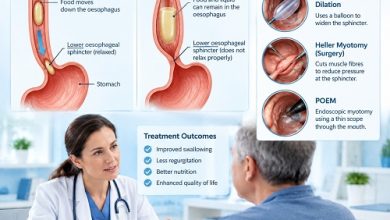
Pneumatic dilation is one of several treatments available for achalasia. The most appropriate option depends on your symptoms, age, overall health, type of achalasia and previous treatment.
Other approaches include:
- Laparoscopic Heller myotomy
- Peroral endoscopic myotomy (POEM)
- Botulinum toxin injections
- Certain medicines that relax the lower oesophageal sphincter
Botulinum toxin may be considered for people who cannot undergo more definitive procedures, although its effects are generally temporary.
Heller myotomy involves surgically cutting the muscles of the lower oesophageal sphincter. POEM uses an endoscopic technique to divide these muscles from inside the oesophageal wall.
Your gastroenterologist or surgeon can compare these options and explain which approach is most suitable for your individual situation.
Is Pneumatic Dilation Suitable for Everyone?
Not everyone with achalasia will be an ideal candidate for pneumatic dilation for achalasia.
Your doctor may consider factors such as:
- Your age
- General health
- Type of achalasia
- Severity of symptoms
- Oesophageal anatomy
- Previous achalasia treatments
- Risk of complications
- Personal treatment preferences
The decision should be made after appropriate diagnostic testing and discussion with an experienced specialist.
What About Reflux After Balloon Dilation?
Reflux can occur after treatments that reduce the pressure of the lower oesophageal sphincter.
Symptoms may include:
- Burning in the chest
- Acid taste in the mouth
- Regurgitation
- Symptoms that worsen when lying down
- Chronic cough or throat irritation
Not everyone experiences reflux, and some symptoms can overlap with the original symptoms of achalasia.
If you develop persistent reflux symptoms after balloon dilation, speak with your healthcare provider. They may recommend lifestyle changes, monitoring, medication or further assessment depending on your symptoms.
Recovery and Follow-Up
Recovery after pneumatic dilation for achalasia varies from person to person. Your doctor will give you specific instructions about eating, drinking, medication and physical activity.
Follow-up is important because achalasia is a chronic condition. Your healthcare provider may ask about:
- Swallowing ability
- Regurgitation
- Chest symptoms
- Weight changes
- Reflux
- Eating habits
- Recurrence of symptoms
If symptoms return, your doctor may recommend further evaluation to determine whether repeat dilation or another treatment is needed.
When Should You Seek Medical Help?
After the procedure, seek urgent medical attention if you develop severe chest or abdominal pain, breathing difficulties, fever, persistent vomiting, rapid deterioration or other symptoms that concern you.
These symptoms can sometimes indicate a serious complication and should not be ignored.
Even outside the immediate recovery period, persistent difficulty swallowing deserves medical evaluation. Untreated swallowing problems can affect nutrition, hydration and quality of life.
Can Natural Remedies Replace Pneumatic Dilation?
People with achalasia sometimes search for Natural Remedies for Achalasia to manage their symptoms. Dietary adjustments and lifestyle measures may help some people cope with swallowing difficulties, but they do not correct the underlying failure of the lower oesophageal sphincter to relax.
For this reason, natural approaches should not be considered a replacement for medically recommended treatment.
If you are considering herbal products or Achalasia diet supplements, discuss them with your healthcare professional, particularly if you are taking prescription medicines or preparing for a procedure.
Final Thoughts
Pneumatic dilation for achalasia is an established treatment that aims to improve swallowing by stretching the lower oesophageal sphincter with a specialised balloon. For suitable patients, it can provide significant symptom relief and improve the ability to eat and drink.
The procedure has several potential benefits, including its minimally invasive nature and the possibility of repeating treatment when symptoms recur. However, it also has risks, with oesophageal perforation being an important but uncommon complication. Reflux, chest discomfort, bleeding and recurrent symptoms can also occur.
If you have achalasia, discuss balloon dilation, surgery, POEM and other available treatments with a qualified gastroenterologist. Your diagnosis, achalasia subtype, general health and previous treatments all influence which approach may be most appropriate.
Medical Disclaimer
This article is provided for general educational and informational purposes only. It does not replace professional medical advice, diagnosis or treatment. Pneumatic dilation and other achalasia treatments should only be considered under the guidance of a qualified healthcare professional. If you have difficulty swallowing, chest pain, persistent regurgitation, unexplained weight loss or other concerning symptoms, seek medical evaluation. Do not start, stop or change any medicine, supplement or treatment without consulting your doctor.