
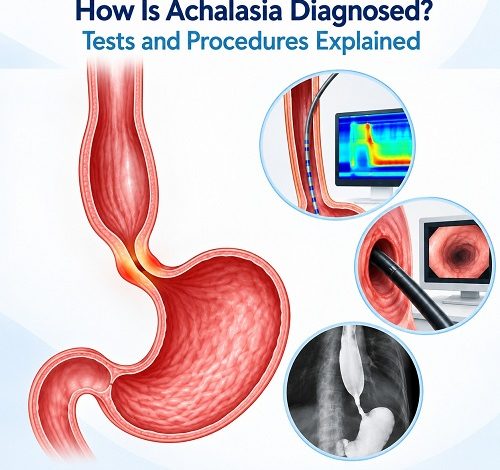
Achalasia is a rare disorder of the esophagus that can make swallowing difficult and cause food or liquid to remain in the esophagus instead of moving normally into the stomach. Because its symptoms can resemble other digestive conditions, getting an accurate achalasia diagnosis often requires several tests rather than relying on symptoms alone.
Doctors may use a combination of medical history, physical examination, imaging, endoscopy, and specialized tests such as esophageal manometry to determine whether achalasia is present. A barium swallow may also provide important clues about how the esophagus and lower esophageal sphincter are functioning.
Understanding the diagnostic process can help patients know what to expect and why different tests may be recommended.
What Is Achalasia?
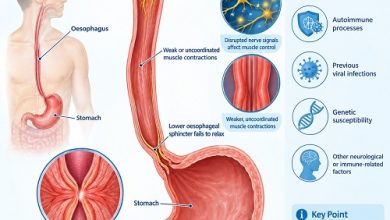
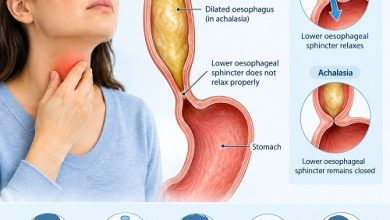
What Is Achalasia? Achalasia is a condition in which the esophagus has difficulty moving food and liquid into the stomach. Normally, coordinated muscle contractions push swallowed food downward. At the same time, the lower esophageal sphincter, a muscular valve between the esophagus and stomach, relaxes to allow food to pass.
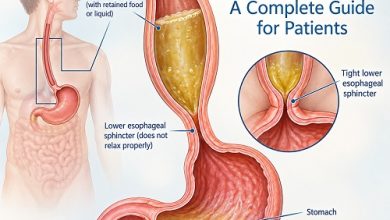
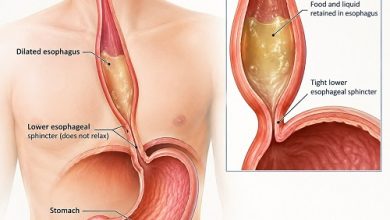
With achalasia, the esophagus does not contract normally, and the lower esophageal sphincter does not relax properly during swallowing. As a result, food and fluids can collect in the esophagus.
Common symptoms may include:
- Difficulty swallowing food or liquids
- Regurgitation of undigested food
- Chest discomfort or pain
- Heartburn-like symptoms
- Coughing, particularly at night
- Unintentional weight loss
- A sensation that food is stuck in the chest
- Difficulty eating certain foods
Because these symptoms can also occur with gastroesophageal reflux disease (GERD), strictures, certain cancers, and other esophageal disorders, proper testing is important.
Why Is Achalasia Diagnosis Sometimes Difficult?
Achalasia can be mistaken for other conditions because its symptoms are not always specific. For example, difficulty swallowing, regurgitation, and chest discomfort can occur with several disorders affecting the upper digestive tract.
Some people may initially be treated for acid reflux because they experience heartburn or regurgitation. If symptoms persist despite treatment, a doctor may investigate other Achalasia causes.
An achalasia diagnosis is generally based on a combination of clinical information and test results. No single symptom can confirm the condition.
Doctors may use different tests to answer different questions:
- Is there a blockage or narrowing in the esophagus?
- Does the esophagus appear abnormal?
- Is the lower esophageal sphincter relaxing properly?
- Are the muscles of the esophagus contracting normally?
- Could another condition be causing the symptoms?
The answers help doctors distinguish achalasia from other disorders.
Step 1: Medical History and Physical Examination
The diagnostic process usually begins with a discussion of symptoms and medical history.
A doctor may ask when swallowing problems started, whether they occur with solid foods, liquids, or both, and whether symptoms have become more frequent or severe.
Other questions may involve:
- Regurgitation of food or liquids
- Chest pain or discomfort
- Nighttime coughing
- Changes in body weight
- Eating habits
- Previous digestive conditions
- Medications
- Previous tests or treatments
A physical examination may also be performed. Although a physical examination cannot confirm achalasia by itself, it can help the doctor evaluate overall health and identify signs that might point toward another condition.
If the symptoms suggest an esophageal disorder, the doctor may recommend further achalasia testing.
Step 2: Endoscopy
An endoscopy, usually an upper gastrointestinal endoscopy, allows a doctor to examine the inside of the esophagus, stomach, and upper part of the small intestine.
During the procedure, a flexible tube called an endoscope is passed through the mouth. The endoscope contains a camera that allows the doctor to view the digestive tract.
Why Is Endoscopy Used for Achalasia?
Endoscopy is important because it can help rule out other Achalasia causes of swallowing difficulties.
For example, narrowing of the esophagus, inflammation, ulcers, or a tumor can sometimes cause symptoms similar to achalasia. These conditions need to be distinguished from achalasia because their treatment can be different.
During endoscopy, the doctor may look for:
- Food or fluid retained in the esophagus
- Enlargement or dilation of the esophagus
- Narrowing near the lower esophageal sphincter
- Inflammation
- Structural abnormalities
- Other conditions that could explain the symptoms
A biopsy may sometimes be taken during endoscopy if the doctor sees tissue that requires further examination.
It is important to understand that a normal-looking endoscopy does not necessarily rule out achalasia. Endoscopy is particularly useful for excluding other conditions and identifying structural clues, while specialized functional testing may be required to confirm the diagnosis.
Step 3: Barium Swallow
A barium swallow, also called an esophagram, is an imaging test that shows how material moves through the esophagus.
During the examination, the patient drinks a liquid containing barium. Barium coats the inside of the digestive tract and makes the esophagus visible on X-ray images.
The doctor can observe how the barium moves through the esophagus and into the stomach.
What Can a Barium Swallow Show?
In people with achalasia, the test may show a widened esophagus and narrowing near the junction between the esophagus and stomach.
The lower portion of the esophagus may have a characteristic tapered appearance, sometimes described as a “bird-beak” appearance.
A barium swallow can also provide information about:
- Esophageal dilation
- Retained food or liquid
- Delayed passage into the stomach
- Abnormal esophageal movement
- Structural narrowing
The test can be particularly useful when doctors suspect an esophageal motility disorder.
However, imaging findings alone may not always establish the exact type of achalasia. Additional testing may therefore be needed.
Step 4: Esophageal Manometry
Esophageal manometry is generally considered the key test for confirming achalasia and determining the specific pattern of esophageal muscle dysfunction.
Unlike an endoscopy or barium swallow, which primarily provides structural or movement-related information, manometry measures pressure and muscle activity inside the esophagus.
How Does Esophageal Manometry Work?
During the procedure, a thin catheter containing pressure sensors is gently passed through the nose and positioned so that it extends through the esophagus and across the lower esophageal sphincter.
The patient is then asked to swallow small amounts of water while the device records pressure changes.
The test evaluates:
- Esophageal muscle contractions
- Coordination of swallowing
- Pressure within the esophagus
- Relaxation of the lower esophageal sphincter
- Movement of swallowed material
In achalasia, manometry can demonstrate impaired relaxation of the lower esophageal sphincter and abnormal or absent normal peristalsis.
Types of Achalasia
High-resolution manometry can help doctors classify achalasia into different subtypes.
The major types are:
Type I achalasia: There is little or no normal esophageal muscle contraction.
Type II achalasia: The esophagus develops abnormal pressurization during swallowing.
Type III achalasia: The esophagus has abnormal, premature, or spastic contractions.
Identifying the subtype can provide useful information when doctors are considering treatment options.
Step 5: Additional Tests When Needed
In some situations, doctors may recommend additional investigations as part of achalasia testing.
For example, if the findings are unclear or symptoms do not fit the typical pattern, additional imaging or specialized evaluation may be considered.
Timed Barium Esophagram
A timed barium esophagram is a variation of the barium swallow that evaluates how quickly swallowed material moves through the esophagus over a specific period.
It can provide information about how effectively the esophagus empties.
This type of test may also be useful in assessing how the condition changes over time or evaluating the response to treatment.
Endoscopic Ultrasound
In selected cases, an endoscopic ultrasound may be used to evaluate the esophageal wall and surrounding structures.
It is not required for every person suspected of having achalasia, but it may be considered when doctors need additional information about an abnormal area or want to investigate another possible cause of symptoms.
CT Scans and Other Imaging
A CT scan is not usually the primary test used to diagnose typical achalasia. However, additional imaging may be considered when doctors need to investigate another condition or look for a structural cause of symptoms.
This can be particularly important when there are unusual findings or concerns about a blockage that could mimic achalasia.
How Doctors Confirm an Achalasia Diagnosis
Doctors usually consider the results of several tests together.
A typical diagnostic pathway may look like this:
Symptoms and medical history → Endoscopy and/or barium swallow → Esophageal manometry → Confirmation and classification
The exact sequence can vary depending on the patient’s symptoms, age, medical history, and initial test results.
Manometry is especially important because achalasia is fundamentally a disorder of esophageal movement and lower esophageal sphincter relaxation.
Endoscopy can help exclude mechanical obstruction or other diseases, while a barium swallow can demonstrate characteristic changes in esophageal emptying and shape.
Together, these tests provide a more complete picture.
What Happens During Achalasia Testing?
The experience varies depending on which test is performed.
During Endoscopy
Patients generally receive medication to make them comfortable or sleepy. The endoscope is passed through the mouth and into the upper digestive tract.
The procedure itself is usually relatively short, although preparation and recovery take additional time.
During a Barium Swallow
The patient drinks the barium solution while X-ray images are taken. The test is generally straightforward, although the barium drink may have a thick or chalky texture.
Patients are typically given instructions about eating and drinking before and after the examination.
During Esophageal Manometry
Manometry is performed while the patient is awake. A thin catheter is inserted through the nose and positioned in the esophagus.
The patient performs a series of swallows while pressure measurements are recorded.
Some people experience temporary discomfort, gagging, or an unusual sensation in the nose or throat, but the procedure is generally brief.
How Is Achalasia Different From Acid Reflux?
Achalasia and GERD can produce some overlapping symptoms, but they are different conditions.
GERD occurs when stomach contents frequently flow backward into the esophagus. Achalasia, on the other hand, involves impaired relaxation of the lower esophageal sphincter and abnormal esophageal movement.
Difficulty swallowing is an especially important symptom to discuss with a healthcare professional. Persistent swallowing problems should not simply be assumed to be acid reflux.
Testing can help determine whether Achalasia symptoms are caused by GERD, achalasia, another motility disorder, structural narrowing, or another condition.
When Should You See a Doctor?
Persistent or progressive difficulty swallowing deserves medical evaluation.
You should speak with a healthcare professional if you experience:
- Ongoing difficulty swallowing
- Food frequently feeling stuck
- Repeated regurgitation
- Unexplained weight loss
- Persistent chest discomfort
- Frequent nighttime coughing associated with regurgitation
- Symptoms that continue despite treatment for presumed reflux
Severe or sudden symptoms, including an inability to swallow liquids, significant chest pain, vomiting blood, or severe breathing difficulties, require prompt medical attention.
Achalasia Treatment Options
Achalasia is a rare condition that affects the esophagus, making it difficult for food and liquids to pass into the stomach. Although there is interest in a Natural Cure for Achalasia, there is currently no proven natural treatment that can repair the underlying muscle and nerve dysfunction responsible for achalasia.
Treatment focuses on relaxing or opening the lower esophageal sphincter so food can pass more easily. The appropriate option depends on factors such as age, symptoms, achalasia type, and overall health.
Common achalasia treatment options include pneumatic dilation, which uses a balloon to stretch the lower esophageal sphincter. Another option is Heller myotomy, a surgical procedure that cuts specific muscles to improve food passage. Peroral endoscopic myotomy (POEM) is a minimally invasive procedure performed through an endoscope and is another established treatment.
Botulinum toxin injections may temporarily relax the lower esophageal sphincter and can sometimes be considered for people who are not suitable candidates for more definitive procedures.
Lifestyle measures such as eating slowly, taking smaller meals, drinking enough fluids, and remaining upright after eating may help manage symptoms, but they do not cure achalasia.
Anyone experiencing persistent swallowing difficulties or regurgitation should consult a gastroenterologist for proper diagnosis and treatment.
Frequently Asked Questions About Achalasia Diagnosis
What is the main test for achalasia?
Esophageal manometry is the key test used to confirm achalasia because it measures the function and pressure of the esophageal muscles and lower esophageal sphincter. Endoscopy and barium studies are also commonly used to evaluate symptoms and rule out other conditions.
Can an endoscopy diagnose achalasia?
Endoscopy can provide clues suggesting achalasia and is useful for ruling out other causes of swallowing difficulties. However, endoscopy alone may not definitively confirm achalasia. Esophageal manometry is typically used to establish the diagnosis.
Can a barium swallow detect achalasia?
Yes. A barium swallow can show characteristic changes such as esophageal dilation, delayed emptying, and narrowing near the lower esophageal sphincter. However, additional testing may be needed to confirm the diagnosis and determine its subtype.
Is esophageal manometry painful?
Esophageal manometry may cause temporary discomfort when the catheter is inserted through the nose. Patients may experience gagging or an unusual sensation in the throat or nose, but the procedure is generally well tolerated and does not usually require sedation.
How long does achalasia diagnosis take?
The timeframe varies. Some patients may undergo several tests over multiple appointments, while others may receive a diagnosis more quickly. The process depends on symptoms, test availability, and whether other conditions need to be ruled out.
Final Thoughts
An accurate achalasia diagnosis usually involves more than one source of information. Symptoms and medical history provide the starting point, while endoscopy and a barium swallow can help doctors identify structural changes and exclude other causes of swallowing difficulties.
Esophageal manometry plays a particularly important role because it measures the function of the esophagus and lower esophageal sphincter. It can confirm the presence of achalasia and help classify the condition into different types.
If you have persistent difficulty swallowing, regurgitation, or unexplained weight loss, speaking with a qualified healthcare professional is an important first step. Appropriate achalasia testing can help identify the underlying cause and guide the next stage of care.
Medical Disclaimer
The information provided in this article is for general educational and informational purposes only and should not be considered medical advice, diagnosis, or treatment. It is not intended to replace consultation with a qualified healthcare professional.
Achalasia and other esophageal conditions can cause similar symptoms, and proper diagnosis requires evaluation by a healthcare professional and, when appropriate, diagnostic tests such as endoscopy, barium swallow, or esophageal manometry.
If you are experiencing difficulty swallowing, persistent regurgitation, unexplained weight loss, chest pain, or other concerning symptoms, consult a qualified doctor or gastroenterologist for appropriate evaluation and care.
Do not delay seeking professional medical advice or discontinue prescribed treatment based solely on information found in this article. In an emergency or if you experience severe or rapidly worsening symptoms, seek immediate medical attention.