
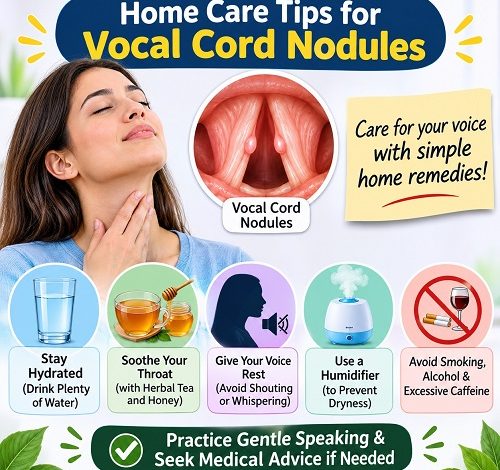
Vocal cord nodules can affect your ability to speak, sing, and communicate comfortably. They are small, noncancerous growths that develop on the vocal folds, usually because of repeated voice strain or overuse. People who frequently speak, sing, teach, or work in environments that require prolonged talking may be more likely to experience this condition.
The good news is that many vocal cord nodules can improve with appropriate treatment, healthy voice habits, and consistent home care. Making small changes to your daily routine can help reduce vocal strain, support healing, and prevent further irritation.
Understanding Vocal cord nodules home care is especially important for people who want to protect their voices while recovering. Simple habits such as staying hydrated, practising vocal rest, avoiding shouting, and following professional voice therapy recommendations can make a meaningful difference.
What Are Vocal Cord Nodules?
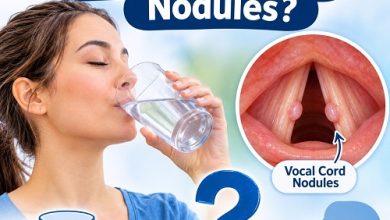
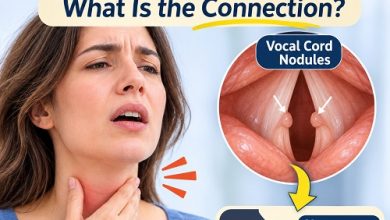
What Are Vocal Cord Nodules? Vocal cord nodules, also known as vocal fold nodules or singer’s nodules, are small, benign growths that develop on the vocal folds inside the voice box (larynx).
Your vocal folds are two bands of tissue that vibrate when air passes through them, allowing you to produce sound. When you repeatedly strain or overuse your voice, the vocal fold tissue can become irritated and develop small areas of thickening.
Nodules commonly develop on both vocal folds, often in corresponding areas where the folds repeatedly make contact.
They are not cancerous, but they can interfere with normal vocal fold vibration and affect voice quality.
Common Vocal Cord Nodules causes include:
- Speaking loudly or shouting frequently.
- Singing for long periods without adequate rest.
- Speaking continuously at work.
- Using an incorrect singing or speaking technique.
- Talking over background noise.
- Repeated coughing or throat clearing.
- Continuing to use the voice during illness.
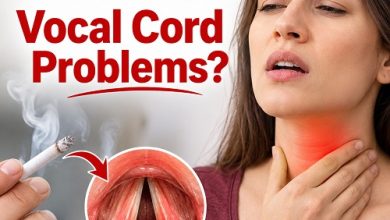
- Exposure to cigarette smoke and other irritants.
Teachers, singers, actors, public speakers, and call centre employees may have a higher risk because their occupations often require frequent voice use.
Common Symptoms of Vocal Cord Nodules
Recognising the symptoms can help you seek appropriate treatment before the problem becomes more persistent.
Common Vocal Cord Nodules symptoms include:
- Persistent hoarseness: Your voice may sound rough, raspy, breathy, or unusually weak.
- Vocal fatigue: Speaking for a short period may make your voice feel tired or uncomfortable.
- Changes in pitch: You may find it difficult to produce high or low notes, particularly when singing.
- Reduced vocal strength: Your voice may become quieter or less clear than usual.
- Throat discomfort: Some people experience a sensation of tightness, irritation, or something stuck in their throat.
- Frequent throat clearing: You may feel the need to clear your throat repeatedly, which can create additional irritation.
If you experience persistent hoarseness or changes in your voice, consult an ENT specialist for an accurate diagnosis. Vocal nodules generally require examination of the vocal folds, often using laryngoscopy.
10 Effective Vocal Cord Nodules Home Care Tips
Proper home care can support recovery and help prevent additional vocal strain. However, home remedies cannot physically remove nodules or replace professional treatment.
Here are ten practical ways to protect your vocal health.
1. Practise Vocal Rest
Vocal rest is one of the most important parts of managing vocal cord nodules.
Repeated speaking, shouting, and singing can place additional pressure on already irritated vocal folds. Reducing unnecessary voice use gives the tissue an opportunity to recover.
Consider these practical tips:
- Avoid unnecessary conversations throughout the day.
- Take regular breaks between speaking activities.
- Avoid shouting or calling people from another room.
- Reduce long telephone conversations.
- Avoid singing while experiencing hoarseness.
- Use text messages or written communication when possible.
You do not necessarily need complete silence unless your ENT specialist recommends it. The amount and duration of vocal rest depend on your condition.
Remember that vocal rest should be part of a broader treatment plan. Simply resting your voice without correcting harmful speaking habits may not prevent nodules from returning.
2. Drink Plenty of Water
Hydration is essential for maintaining healthy vocal folds.
The vocal folds work best when their surface remains adequately hydrated. Drinking enough water supports normal mucus production and helps maintain the moisture needed for comfortable voice use.
For better hydration:
- Drink water regularly throughout the day.
- Keep a water bottle nearby.
- Drink additional water during hot weather or physical activity.
- Limit excessive caffeine and alcohol consumption.
- Avoid waiting until you feel thirsty to drink.
There is no single water intake requirement for everyone. Your hydration needs depend on your health, activity level, climate, and medical circumstances.
Water does not directly dissolve vocal cord nodules, but adequate hydration supports overall vocal health.
3. Avoid Whispering and Shouting
Many people assume whispering is a safe alternative to speaking when their voice is weak. However, whispering can also place strain on the vocal mechanism, particularly when performed forcefully.
Shouting creates additional vocal pressure and can worsen irritation.
Instead:
- Avoid whispering for extended periods.
- Speak only when necessary.
- Use a comfortable, natural speaking voice when communication is needed.
- Avoid speaking loudly over background noise.
- Use written communication whenever possible.
If your healthcare professional has prescribed complete vocal rest, avoid speaking altogether during the recommended period.
4. Use a Humidifier at Home
Dry indoor air can make your throat feel uncomfortable and contribute to vocal dryness.
A clean humidifier can help maintain comfortable indoor humidity, especially during winter or in air-conditioned environments.
Helpful practices include:
- Use a humidifier in your bedroom.
- Clean the device regularly according to the manufacturer’s instructions.
- Avoid excessive humidity that encourages mould growth.
- Keep your living environment free from dust and smoke.
- Maintain good ventilation.
Humidified air may improve comfort, but it does not directly eliminate vocal nodules.
5. Avoid Smoking and Secondhand Smoke
Smoking is harmful to the entire respiratory system, including the vocal folds.
Cigarette smoke contains irritating substances that can inflame the throat and contribute to ongoing vocal problems.
If you have vocal cord nodules, avoiding smoke exposure is particularly important.
Try to:
- Stop smoking.
- Avoid secondhand smoke.
- Stay away from smoky environments.
- Avoid exposure to strong chemical fumes.
- Seek professional support if you need help quitting tobacco.
Protecting your respiratory system can support healthier voice production and reduce irritation.
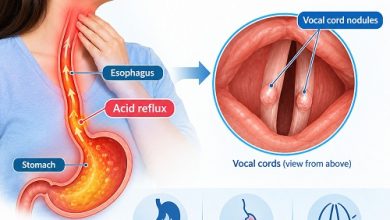
6. Manage Acid Reflux
Acid reflux occurs when stomach contents move backwards into the oesophagus. In some people, reflux can also irritate the throat and voice box.
This irritation may contribute to voice symptoms and make existing vocal problems more difficult to manage.
You can support reflux management by:
- Eating smaller meals.
- Avoiding lying down immediately after eating.
- Identifying foods that trigger your symptoms.
- Limiting late-night meals.
- Maintaining a healthy weight when appropriate.
- Following your doctor’s recommendations for reflux treatment.
Common triggers include spicy foods, fatty meals, chocolate, and certain acidic foods, although triggers vary between individuals.
Do not start acid-reducing medication solely because you have vocal cord nodules. Discuss reflux symptoms and appropriate treatment with your healthcare professional.
7. Avoid Frequent Throat Clearing
Repeated throat clearing can bring the vocal folds together forcefully, creating additional irritation.
People with vocal cord nodules sometimes experience a sensation of mucus or something stuck in the throat, leading to frequent throat clearing.
Instead of repeatedly clearing your throat, try:
- Taking a small sip of water.
- Swallowing gently.
- Using a gentle cough only when necessary.
- Keeping your throat comfortably hydrated.
- Addressing allergies or reflux with medical guidance.
If you frequently experience mucus, coughing, or throat irritation, discuss these symptoms with an ENT specialist.
8. Follow Professional Voice Therapy Exercises
Voice therapy is an important treatment option for vocal cord nodules.
A speech-language pathologist who specialises in voice disorders can teach you techniques that reduce unnecessary pressure on your vocal folds.
Depending on your condition, therapy may include:
- Breathing coordination.
- Gentle voice production techniques.
- Improving speaking posture.
- Reducing throat muscle tension.
- Healthy speaking volume and pitch.
- Techniques for reducing vocal fatigue.
Your therapist may recommend specific exercises to practise at home.
Do not begin strenuous vocal exercises or singing exercises without professional guidance. Performing the wrong exercises or practising while your voice is strained may make symptoms worse.
Consistency is important. Follow your therapist’s instructions and attend recommended appointments.
9. Get Enough Sleep and Maintain a Healthy Lifestyle
Physical fatigue can affect your ability to produce a comfortable voice.
When you are tired, you may unconsciously use more effort while speaking. This can increase vocal strain, particularly if you already have vocal fold irritation.
Support your recovery by:
- Getting sufficient sleep.
- Eating a balanced diet.
- Drinking enough water.
- Maintaining regular physical activity.
- Managing daily stress.
- Taking breaks during demanding activities.
A healthy lifestyle supports general well-being and can make it easier to maintain good vocal habits.
10. Reduce Background Noise and Use Voice Amplification
Speaking over loud background noise often causes people to raise their voices unnecessarily.
This can place additional pressure on the vocal folds.
If your occupation requires frequent speaking, consider using a microphone or voice amplification system.
Other helpful changes include:
- Reduce background noise whenever possible.
- Avoid speaking across large rooms.
- Move closer to the person you are addressing.
- Use a microphone during presentations.
- Take regular speaking breaks.
- Arrange meetings in quieter environments.
These adjustments can be particularly useful for teachers, trainers, public speakers, and other professionals who depend on their voices.
Vocal Rest, Voice Care at Home: A Daily Routine
Developing a consistent routine can make Vocal rest, voice care at home easier to maintain.
The following example provides a simple structure for protecting your voice throughout the day.
Morning
- Drink a glass of water after waking up.
- Avoid immediately starting long conversations.
- Maintain a comfortable indoor environment.
- Follow any prescribed voice therapy instructions.
Afternoon
- Take regular breaks from speaking.
- Keep water nearby.
- Avoid shouting or speaking over noise.
- Use written communication when possible.
- Avoid repeatedly clearing your throat.
Evening
- Reduce unnecessary conversations.
- Avoid late meals if you experience acid reflux.
- Stay away from smoke and other irritants.
- Allow your voice to rest before bedtime.
This routine is a general example rather than a substitute for an individual treatment plan. If your ENT specialist prescribes a specific period of complete vocal rest, follow those instructions instead.
Foods and Drinks That Support Vocal Health
A balanced diet and good hydration can support your overall health and help you maintain healthy vocal habits.
Consider including:
Water: Supports normal hydration throughout the day.
Fruits: Fruits such as apples, bananas, berries, and melons provide important nutrients.
Vegetables: Leafy greens, carrots, and other vegetables contribute vitamins and minerals.
Whole grains: Oats, brown rice, and whole-grain bread support balanced nutrition.
Healthy protein: Eggs, fish, beans, and other protein sources help meet your nutritional needs.
There is no specific food proven to remove vocal cord nodules.
Similarly, honey, herbal teas, and warm drinks may temporarily soothe throat discomfort, but they do not directly heal or remove the growths.
If you have reflux, identify your personal food triggers with the help of a healthcare professional.
What Should You Avoid If You Have Vocal Cord Nodules?
Certain habits can increase vocal strain and interfere with recovery.
Try to avoid:
- Shouting and screaming.
- Prolonged whispering.
- Singing when your voice is hoarse.
- Speaking continuously without breaks.
- Smoking or vaping.
- Drinking excessive alcohol.
- Repeated throat clearing.
- Speaking over loud music or background noise.
- Ignoring persistent hoarseness.
- Performing vocal exercises without professional guidance.
Avoid self-medicating with antibiotics, steroids, or other prescription treatments. These medications are not appropriate for every voice problem and should only be used when medically indicated.
How Long Does It Take for Vocal Cord Nodules to Heal?
Recovery time varies from person to person.
Some people experience improvement after changing their vocal habits and following appropriate voice therapy. Others may need several weeks or months of consistent treatment.
Factors that influence recovery include:
- The size and characteristics of the nodules.
- How long the condition has been present.
- The amount of daily voice use.
- Whether harmful vocal habits continue.
- The presence of reflux or other contributing conditions.
- Consistency with voice therapy.
Vocal cord nodules often improve with conservative treatment, and surgery is not usually the first treatment option.
If nodules persist despite appropriate management, an ENT specialist may discuss additional Vocal Cord Nodules treatment options.
When Should You See an ENT Specialist?
Home care is helpful, but it is not a replacement for professional Vocal Cord Nodules diagnosis.
Consult an ENT specialist if you experience:
- Hoarseness lasting more than three weeks.
- Persistent voice changes.
- Difficulty speaking normally.
- Frequent vocal fatigue.
- Pain or discomfort when speaking.
- Repeated loss of your singing voice.
- Symptoms that do not improve with appropriate care.
Seek urgent medical attention if you experience difficulty breathing, noisy breathing, or significant difficulty swallowing.
An ENT specialist may recommend laryngoscopy to examine your vocal folds and determine whether nodules or another condition is responsible for your Vocal Cord Nodules symptoms.
A speech-language pathologist may then help you develop an individualised voice therapy programme.
Can Vocal Cord Nodules Come Back?
Yes. Vocal cord nodules can recur, particularly when the habits that contributed to their development are not corrected.
For example, someone who regularly shouts, sings for extended periods, or speaks loudly without breaks may continue placing excessive pressure on their vocal folds.
Preventing recurrence involves making long-term changes.
Maintain good hydration, avoid unnecessary vocal strain, practise healthy speaking techniques, and attend follow-up appointments when recommended.
If your profession requires extensive voice use, learning proper vocal techniques can be especially beneficial.
Natural Treatment for Vocal Cord Nodules
Vocal cord nodules are small, benign growths that develop on the vocal cords, often due to excessive voice use, shouting, or improper speaking techniques. They can cause hoarseness, vocal fatigue, and difficulty speaking clearly. Fortunately, several natural approaches can help support vocal health and recovery.
Natural Remedies for Vocal Cord Nodules mainly focus on reducing vocal strain and soothing throat irritation. One of the most effective methods is voice rest. Avoid shouting, whispering, and prolonged conversations to give your vocal cords time to heal.
Drinking plenty of water helps keep the vocal cords hydrated and supports healthy voice production. Warm herbal teas with honey may also soothe throat discomfort. Additionally, using a humidifier can prevent dryness and keep your throat comfortable.
Avoid smoking, alcohol, excessive caffeine, and exposure to dust or other irritants, as these can worsen throat irritation. Practicing gentle breathing exercises and maintaining proper speaking techniques may also reduce vocal strain.
Although natural remedies can support recovery, they may not completely eliminate vocal cord nodules. Consult an ENT specialist or speech-language pathologist for proper diagnosis and treatment. With consistent vocal care and professional guidance, you can protect your voice and improve vocal health.
Frequently Asked Questions (FAQs)
1. Can vocal cord nodules heal naturally?
Vocal cord nodules may improve with reduced vocal strain, healthy voice habits, and appropriate voice therapy. However, recovery varies, and professional assessment is important to determine the right treatment.
2. Is complete vocal rest necessary for vocal cord nodules?
Not everyone requires complete silence. Some people benefit from reducing unnecessary speaking, while others may need prescribed complete vocal rest. Follow your ENT specialist’s instructions.
3. Is whispering good for vocal cord nodules?
No. Whispering, particularly forceful or prolonged whispering, can strain the voice. Follow your clinician’s advice about when and how to speak.
4. Does drinking warm water remove vocal cord nodules?
No. Warm water may provide temporary throat comfort, but it does not remove nodules. Adequate hydration is helpful for general vocal health.
5. Can I sing if I have vocal cord nodules?
You should avoid singing when your voice is hoarse, tired, or strained. Return to singing only when your ENT specialist or voice therapist considers it appropriate.
6. Is surgery always necessary for vocal cord nodules?
No. Voice therapy and behavioural changes are generally the preferred initial approaches. Surgery is considered in selected cases when conservative treatment does not provide sufficient improvement.
7. Can children develop vocal cord nodules?
Yes. Children can develop nodules, especially if they frequently shout, scream, or use their voices forcefully. Assessment by an ENT specialist and appropriate voice therapy can help.
Conclusion
Managing vocal cord nodules requires patience, consistency, and healthy daily habits. Although home care cannot directly remove vocal fold growths, it can help reduce unnecessary vocal strain and support recovery alongside professional treatment.
The most important Vocal cord nodules home care practices include vocal rest when recommended, adequate hydration, avoiding shouting and whispering, managing reflux, reducing exposure to smoke, and following professional voice therapy instructions.
Remember that every voice condition is different. If you experience persistent hoarseness or difficulty speaking, consult an ENT specialist rather than relying exclusively on home remedies.
With the right treatment plan and consistent Vocal rest, voice care at home, many people can improve their voice function and develop healthier long-term speaking habits.
Medical Disclaimer
This article is intended for general educational purposes and does not replace professional medical advice, diagnosis, or treatment. Vocal cord nodules should be evaluated by a qualified ENT specialist. Always follow the individual recommendations of your healthcare provider.
Medical References
- National Institute on Deafness and Other Communication Disorders (NIDCD). Taking Care of Your Voice. https://www.nidcd.nih.gov/health/taking-care-your-voice
- American Speech-Language-Hearing Association (ASHA). Voice Disorders. https://www.asha.org/practice-portal/clinical-topics/voice-disorders/
- Cleveland Clinic. Vocal Cord Lesions: Nodules, Polyps and Cysts. https://my.clevelandclinic.org/health/diseases/15424-vocal-cord-lesions-nodules-polyps-and-cysts
- National Library of Medicine, InformedHealth.org. Overview: Vocal Nodules. https://www.ncbi.nlm.nih.gov/books/NBK534635/
- Weill Cornell Medicine, Sean Parker Institute for the Voice. Nodules. https://voice.weill.cornell.edu/voice-disorders/nodules
- American Academy of Otolaryngology–Head and Neck Surgery. Clinical Practice Guideline: Hoarseness (Dysphonia) (Update). https://doi.org/10.1177/0194599817751030