
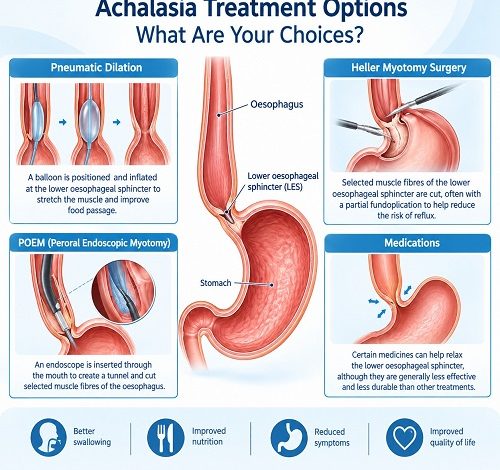
Achalasia is a rare swallowing disorder that affects the oesophagus, the muscular tube that carries food and liquid from the mouth to the stomach. People with achalasia may experience difficulty swallowing, regurgitation, chest discomfort, coughing, or the sensation that food is getting stuck after eating.
There is currently no treatment that restores the damaged nerve function responsible for achalasia. However, several treatments can reduce symptoms and improve the movement of food through the oesophagus. The most appropriate achalasia treatment depends on factors such as the type of achalasia, symptom severity, overall health, previous treatments, and the preferences of the patient and medical team.
Common options include achalasia surgery, medications, pneumatic dilation, POEM, and other endoscopic approaches. Each option works differently and has its own potential benefits, limitations, and risks.
This guide explains the main choices so you can understand what may be discussed with a gastroenterologist or specialist.
What Is Achalasia?
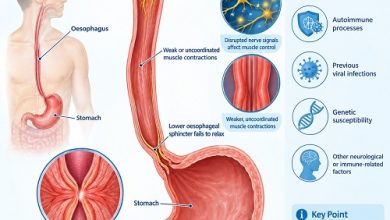
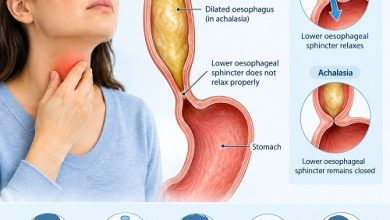
What Is Achalasia? Achalasia occurs when the muscles and nerves of the oesophagus do not work normally. One important problem is that the lower oesophageal sphincter (LES), a muscular valve between the oesophagus and stomach, does not relax properly when swallowing.
Normally, swallowing triggers coordinated contractions in the oesophagus while the LES relaxes to allow food to enter the stomach. With achalasia, this process becomes impaired.
As a result, food and liquid can remain in the oesophagus for longer than normal. Over time, the oesophagus may become enlarged and less effective at moving its contents towards the stomach.
Symptoms may include:
- Difficulty swallowing food or liquids
- Regurgitation of undigested food
- Chest discomfort or pain
- Coughing, particularly at night
- Heartburn-like symptoms
- Unintentional weight loss
- Feeling that food remains in the chest
- Difficulty eating certain foods
Symptoms can develop gradually, so some people may initially mistake them for acid reflux or another digestive problem.
How Is Achalasia Diagnosed?
Before choosing an achalasia treatment, doctors usually need to confirm the diagnosis and determine how the oesophagus is functioning.
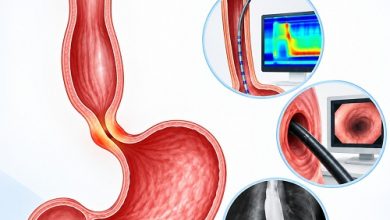
Tests may include an upper gastrointestinal endoscopy, barium swallow, and oesophageal manometry.
Oesophageal Manometry
Manometry measures pressure and muscle activity in the oesophagus. It can help confirm achalasia and identify its subtype.
Achalasia is generally classified into three main types:
- Type I: classic achalasia with little or no oesophageal pressurisation
- Type II: achalasia with increased pressurisation within the oesophagus
- Type III: spastic achalasia involving abnormal contractions
The subtype can be important when discussing treatment because some procedures may be particularly suitable for certain patterns of muscle activity.
What Are the Main Achalasia Treatment Options?
Treatment generally focuses on reducing the resistance at the lower oesophageal sphincter so that food can pass more easily into the stomach.
The main approaches include:
- Pneumatic dilation
- Laparoscopic Heller myotomy
- Peroral endoscopic myotomy (POEM)
- Botulinum toxin injections
- Medications
- Other specialist approaches in selected situations
Let’s look at each option in more detail.
1. Pneumatic Dilation
Pneumatic dilation is an endoscopic procedure used to stretch and partially disrupt the muscle fibres of the lower oesophageal sphincter.
During the procedure, a specialised balloon is positioned across the sphincter and inflated. The pressure stretches the muscle and can improve the passage of food into the stomach.
Pneumatic dilation may provide significant symptom relief for many people with achalasia. Some patients may require repeat dilation because symptoms can return over time.
Potential advantages
Pneumatic dilation:
- Does not require conventional surgery
- Can improve swallowing
- May provide long-lasting symptom relief
- Can sometimes be repeated if symptoms recur
Potential risks
Possible complications include chest discomfort, bleeding, and perforation of the oesophagus. Perforation is an uncommon but potentially serious complication requiring urgent medical attention.
Your specialist will assess whether pneumatic dilation is appropriate based on your circumstances.
2. Achalasia Surgery: Heller Myotomy
One established form of achalasia surgery is laparoscopic Heller myotomy.
During a Heller myotomy, a surgeon cuts selected muscle fibres of the lower oesophageal sphincter. This reduces the resistance that prevents food from entering the stomach.
The procedure is commonly performed using minimally invasive surgical techniques.
A partial fundoplication may also be performed during the operation. This involves creating a partial valve using part of the stomach to help reduce the risk of reflux after the sphincter muscle has been divided.
Potential advantages
Heller myotomy can provide long-term improvement in swallowing for many patients.
It may be particularly considered when:
- Symptoms are significant
- The patient is suitable for surgery
- Other treatments have not provided adequate relief
- The patient’s achalasia subtype and clinical circumstances make surgery appropriate
Potential risks
As with other operations, Heller myotomy carries surgical risks. Gastro-oesophageal reflux can also occur after treatment.
Your surgeon can explain the expected recovery period, possible complications, and whether an anti-reflux procedure is recommended.
3. POEM
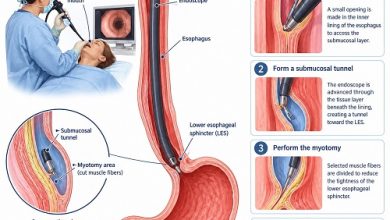
Peroral endoscopic myotomy, commonly called POEM, is a minimally invasive endoscopic procedure.
Instead of making external surgical incisions, the specialist uses an endoscope inserted through the mouth. The endoscope is used to create a tunnel within the oesophageal wall and cut selected muscle fibres.
The goal is similar to Heller myotomy: reducing the resistance of the lower oesophageal sphincter.
POEM can also allow the specialist to treat a longer section of abnormal oesophageal muscle when required. This can be particularly relevant in some patients with type III or spastic achalasia.
Potential advantages of POEM
Potential benefits include:
- No external surgical incision
- Direct access to the oesophageal muscle
- Ability to perform a longer myotomy when clinically appropriate
- Generally shorter recovery compared with traditional open surgery
However, POEM is not risk-free. One important consideration is gastro-oesophageal reflux after the procedure. Patients may need monitoring and treatment for reflux.
POEM should be performed by an appropriately trained specialist with experience in the procedure.
4. Botulinum Toxin Injections
Botulinum toxin, sometimes known as Botox, can be injected into the lower oesophageal sphincter during endoscopy.
The injection temporarily reduces muscle activity, allowing the sphincter to relax more easily.
This approach may be considered for people who are not suitable candidates for more definitive procedures because of age, other health conditions, or surgical risk.
Why isn’t it always the first choice?
The effects of botulinum toxin are generally temporary. Symptoms may return and repeat injections may be necessary.
For this reason, it is often used when other treatments are unsuitable rather than as the preferred long-term approach for otherwise suitable patients.
5. Medications for Achalasia
Certain medicines can temporarily reduce the pressure of the lower oesophageal sphincter.
Examples may include medicines that relax smooth muscle, such as nitrates or calcium-channel blockers.
However, medication is generally less effective and less durable than procedures that directly reduce the muscle resistance.
Medication may sometimes be considered when:
- A patient cannot undergo an invasive procedure
- A temporary approach is needed
- A specialist considers it appropriate for the individual’s circumstances
Medicines can also have side effects, including headache, dizziness, and low blood pressure, depending on the drug used.
Do not start prescription medicines for achalasia without discussing them with a qualified healthcare professional.
Comparing the Main Treatment Options
There is no single treatment that is appropriate for every person with achalasia.
| Treatment | How it works | Main consideration |
| Pneumatic dilation | Stretches and disrupts LES muscle | May need repeat treatment |
| Heller myotomy | Surgically cuts LES muscle | Requires surgery; reflux may occur |
| POEM | Endoscopically cuts oesophageal muscle | Reflux is an important consideration |
| Botulinum toxin | Temporarily relaxes LES muscle | Effects may wear off |
| Medications | Reduce LES pressure | Usually less effective and less durable |
The decision should be individualised rather than based solely on which procedure sounds least invasive.
How Do Doctors Choose an Achalasia Treatment?
Several factors can influence the treatment decision.
Achalasia Type
The subtype identified through manometry can influence the discussion.
For example, patients with type III achalasia may have spastic contractions involving a longer segment of the oesophagus. The ability to perform a longer myotomy can therefore be relevant when considering treatment options such as POEM.
Previous Treatment
A person who has already undergone pneumatic dilation, surgery, or another treatment may have different options if symptoms return.
Previous procedures can affect the anatomy and the approach a specialist recommends.
Age and General Health
Overall health and suitability for anaesthesia or surgery can also influence treatment decisions.
Someone with significant medical conditions may have different options from a younger, otherwise healthy patient.
Reflux Risk
Reducing the pressure of the lower oesophageal sphincter can make it easier for stomach contents to move back towards the oesophagus.
Therefore, reflux is an important consideration after procedures such as Heller myotomy and POEM.
Specialist Experience
The availability and experience of the medical centre can also influence which procedures are offered.
Patients may benefit from discussing the specialist’s experience with the proposed procedure and asking how complications and follow-up are managed.
What Happens If Treatment Does Not Work?
Achalasia treatment can improve symptoms, but symptoms may return.
Persistent or recurrent symptoms may occur because of incomplete treatment, recurrence of obstruction, changes in oesophageal function, or other digestive problems.
If swallowing problems return after treatment, doctors may recommend further testing.
Depending on the original procedure and the cause of recurrent symptoms, possible approaches can include repeat pneumatic dilation, another endoscopic procedure, surgery, or other specialist treatment.
It is important not to assume that recurring swallowing difficulty is simply a normal part of achalasia. New or worsening symptoms should be discussed with a healthcare professional.
Can Lifestyle Changes Treat Achalasia?
Lifestyle measures cannot repair the underlying nerve and muscle dysfunction that causes achalasia. However, some practical measures may make eating more comfortable.
Depending on individual advice, people may find it helpful to:
- Eat slowly
- Chew food thoroughly
- Take smaller bites
- Drink adequate fluids with meals if advised
- Avoid lying down immediately after eating
- Identify foods that are particularly difficult to swallow
- Follow nutritional advice if weight loss has occurred
People with significant swallowing difficulties may require assessment by a dietitian or other healthcare professional.
When Should You Seek Medical Attention?
Persistent difficulty swallowing should be medically assessed.
Seek prompt medical attention if you experience:
- Severe or rapidly worsening swallowing difficulty
- Inability to swallow liquids
- Significant or unexplained weight loss
- Repeated vomiting or regurgitation
- Severe chest pain
- Breathing difficulties
- Signs of dehydration
Emergency Achalasia symptoms require urgent medical evaluation.
Questions to Ask Your Doctor About Achalasia Treatment
If you have been diagnosed with achalasia, consider asking your specialist:
- Which type of achalasia do I have?
- What treatment options are suitable for me?
- Why are you recommending this particular option?
- What are the expected benefits?
- How long might the improvement last?
- Could I need another procedure later?
- What are the possible complications?
- How will reflux be monitored?
- What will recovery involve?
- What should I do if swallowing problems return?
These questions can help you understand the reasoning behind the treatment plan.
Herbal Supplements for Digestive Health
Digestive health plays an important role in overall well-being, and many people explore herbal supplements to support comfortable digestion. Herbs such as ginger, peppermint, fennel, and chamomile have traditionally been used to help with occasional bloating, gas, nausea, and digestive discomfort. However, their effects can vary from person to person, and supplements should be used thoughtfully.
For people researching a Natural Cure for Achalasia, it is important to understand that achalasia is a specific swallowing disorder involving the esophagus. Herbal supplements cannot be considered a proven cure for achalasia. Symptoms such as difficulty swallowing, regurgitation, chest discomfort, or unexplained weight loss should be evaluated by a qualified healthcare professional.
A balanced diet, adequate hydration, regular physical activity, and mindful eating can complement appropriate digestive care. Before taking herbal supplements, especially if you have a diagnosed digestive condition or use prescription medicines, discuss your options with a healthcare professional. Some herbs may interact with medications or cause unwanted effects.
Ultimately, herbal supplements may provide supportive digestive benefits for some individuals, but they should complement—not replace—evidence-based medical care. Choosing reputable products and using them responsibly can help promote safer digestive wellness.
Final Thoughts
There are several established options for achalasia treatment, and the choice depends on the individual’s diagnosis, achalasia subtype, health, previous treatment, and specialist assessment.
Pneumatic dilation uses a balloon to disrupt the lower oesophageal sphincter. Achalasia surgery, particularly Heller myotomy, directly divides the sphincter muscle. POEM uses an endoscopic approach to perform a myotomy without external surgical incisions. Medications and botulinum toxin may have a role in selected patients, particularly when more definitive treatments are unsuitable.
No treatment should be selected solely because it is described as natural, minimally invasive, surgical, or highly effective. Each approach has potential benefits and risks that need to be considered in the context of the individual patient.
If you have symptoms of achalasia or have already received a diagnosis, discuss your options with a gastroenterologist or specialist experienced in treating oesophageal motility disorders. Proper diagnosis and personalised medical advice are important before choosing a treatment.
Medical Disclaimer
This article is provided for general educational and informational purposes only. It is not intended to diagnose, treat, cure, or prevent achalasia or any other medical condition. Treatment decisions should be made with a qualified healthcare professional who can assess your symptoms, test results, medical history, and individual risks. Do not start, stop, or change medicines or treatment without professional medical advice.