
Vocal cord nodules can affect speaking, singing and everyday communication. They commonly develop because of repeated vocal strain, excessive shouting, loud speaking or improper singing techniques. These small, benign growths develop on the vocal folds and can cause persistent hoarseness, vocal fatigue, a rough voice and difficulty reaching certain pitches.
Treatment can improve voice quality and help the vocal folds recover. However, many people wonder whether the problem can return after successful treatment. Vocal cord nodules recurrence is possible, particularly when the habits and conditions that originally contributed to their development remain unchanged.
Some people experience long-term improvement after voice therapy, while others may require additional treatment if their symptoms return. Even after surgical removal, nodules or other benign vocal fold changes can develop again when excessive vocal pressure continues.
Understanding the reasons behind recurrence and following appropriate post-treatment care can help protect your voice. Why vocal cord nodules return, which factors increase the risk and what you can do to maintain healthy vocal function.
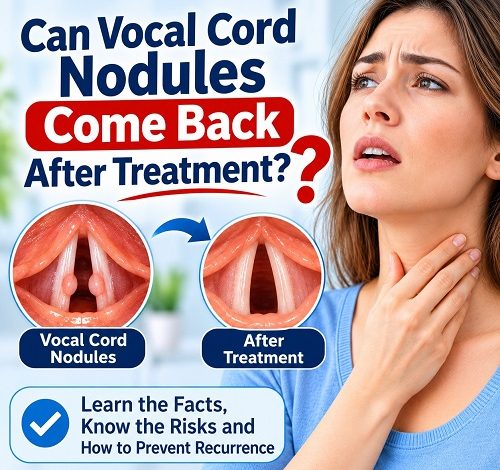
Can Vocal Cord Nodules Come Back After Treatment?
Yes, vocal cord nodules can come back after treatment. Although treatment may reduce or eliminate existing nodules, it does not automatically prevent new ones from developing.
The vocal folds are delicate tissues that vibrate thousands of times during normal speaking and singing. Repeated pressure, friction and irritation can gradually damage their surface. If someone continues using their voice incorrectly, the same conditions that caused the original nodules may develop again.
Recurrence can happen after different treatment approaches, including:
- Voice therapy.
- Vocal rest and voice modification.
- Medical management of contributing conditions.
- Surgical removal of persistent nodules.
However, recurrence is not inevitable. Many people maintain good voice quality after treatment by changing their speaking habits, following professional recommendations and attending appropriate follow-up appointments.
The most important factor is addressing the underlying cause rather than focusing only on removing or reducing the existing nodules.
Why Do Vocal Cord Nodules Return?
Several factors can contribute to vocal cord nodules recurrence. Most involve repeated vocal strain, insufficient recovery or failure to address conditions that irritate the vocal folds.
1. Continuing Poor Voice Habits
Poor voice habits are among the most important reasons nodules can develop again.
Speaking loudly for extended periods, shouting, screaming and using excessive vocal force place additional pressure on the vocal folds. These activities can create repeated tissue irritation.
People who work as teachers, singers, performers, coaches and public speakers may be particularly exposed to vocal strain because their occupations require frequent voice use.
For example, a singer who returns to demanding performances without learning appropriate vocal techniques may put unnecessary pressure on the vocal folds.
Changing these habits is essential for preventing vocal nodules.
2. Not Completing Voice Therapy
Voice therapy is an important part of treating vocal cord nodules. It helps people develop healthier speaking and singing techniques while reducing unnecessary tension.
However, some people stop attending sessions once their voice begins to improve.
This can leave harmful vocal habits unchanged. Even when the original nodules become smaller or disappear, incorrect breathing, excessive throat tension and poor vocal projection can continue damaging the vocal folds.
Completing the recommended voice therapy programme helps people develop sustainable techniques.
It is also important to practise the exercises recommended by a speech and language therapist between appointments.
3. Returning to Heavy Voice Use Too Quickly
After treatment, the vocal folds need sufficient time to recover.
Returning immediately to demanding activities can increase the risk of irritation, particularly after surgery or significant vocal strain.
For example, a professional singer may feel that their voice has recovered and immediately return to long rehearsals. However, their vocal tissues may still need gradual rehabilitation.
Follow your ENT specialist’s instructions about voice rest, speaking limits and returning to work or singing.
Do not increase vocal activity simply because your voice sounds better.
4. Untreated Acid Reflux
Acid reflux can contribute to throat irritation and may aggravate existing voice problems.
In some people, stomach contents can reach the upper throat and irritate sensitive tissues around the larynx. This condition is sometimes associated with laryngopharyngeal reflux.
Possible Vocal Cord Nodules symptoms include:
- Frequent throat clearing.
- Persistent coughing.
- A sensation of something stuck in the throat.
- Hoarseness.
- Throat irritation.
- Voice fatigue.
Not every person with vocal cord nodules has acid reflux. However, when reflux contributes to ongoing irritation, identifying and managing it may form part of an appropriate treatment plan.
5. Smoking and Environmental Irritants
Smoking exposes the throat and vocal folds to irritating substances that can affect vocal health.
Second-hand smoke, air pollution, dust and certain workplace chemicals may also aggravate the respiratory tract.
Continued exposure can contribute to inflammation, coughing and throat irritation.
Avoiding tobacco and reducing exposure to environmental irritants can support better vocal health and recovery.
6. Ignoring Allergies and Respiratory Problems
Allergies, respiratory infections and chronic coughing may contribute to vocal irritation.
For example, people with seasonal allergies may experience postnasal drainage, throat clearing and coughing. Repeatedly clearing the throat can bring the vocal folds together forcefully.
If these problems remain untreated, they may interfere with recovery.
An ENT specialist can help identify contributing conditions and recommend suitable management.
Can Vocal Cord Nodules Return After Surgery?
Yes, vocal cord nodules can return after surgery, particularly if the underlying causes of vocal strain are not addressed.
Surgery can remove persistent nodules, but it does not automatically correct poor speaking habits, excessive vocal pressure or inappropriate singing techniques.
Postoperative voice therapy is therefore an important part of recovery.
Research published in The Laryngoscope examined the long-term outcomes of patients who underwent surgery for vocal fold nodules. The study reported recurrent dysphonia in some patients and found that the absence of postoperative voice therapy was associated with a higher recurrence rate.
A separate systematic review published in the Journal of Voice in 2025 examined recurrence after surgery for different benign vocal fold lesions. Across the included studies, the average recurrence rate was approximately 13%. Studies involving additional therapies reported lower recurrence than studies without adjunctive therapies.
These findings suggest that surgery should not be viewed as the only step in treatment. Rehabilitation and correction of the original causes are also important.
However, recurrence statistics involving several types of benign vocal fold lesions should not be interpreted as an exact recurrence rate for vocal cord nodules alone.
What Are the Signs of Vocal Cord Nodules Recurrence?
Recognising early symptoms can help people seek appropriate treatment before their voice problems become more troublesome.
The symptoms of recurrence may resemble those experienced before the original Vocal Cord Nodules treatment.
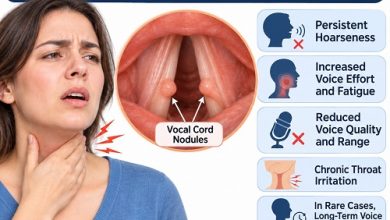
Common warning signs include:
Persistent Hoarseness
Hoarseness is one of the most noticeable symptoms. Your voice may sound rough, breathy, weak or unusually strained.
If hoarseness continues or returns after treatment, it deserves attention.
Vocal Fatigue
You may notice that your voice becomes tired after speaking for relatively short periods.
This can be particularly noticeable when teaching, singing, speaking on the telephone or participating in long conversations.
Difficulty Reaching High Notes
Singers may experience difficulty reaching higher pitches or maintaining their previous vocal range.
Some may notice breaks in their singing voice or reduced control during performances.
Frequent Throat Clearing
Repeated throat clearing can indicate irritation, postnasal drainage or other underlying problems.
Although this symptom does not confirm that nodules have returned, persistent throat clearing should be discussed with a healthcare professional.
Reduced Voice Strength
A returning voice problem may make it difficult to speak loudly without straining.
Some people also notice that their voice becomes weaker towards the end of the day.
Important: These symptoms do not necessarily mean that vocal cord nodules have returned. Other conditions, including vocal fold inflammation, polyps, cysts and muscle tension dysphonia, can produce similar problems.
An ENT specialist may recommend laryngoscopy to examine the vocal folds and identify the actual cause.
How to Prevent Vocal Nodules from Coming Back
Preventing vocal nodules requires consistent attention to voice habits and overall vocal health.
The following measures can help reduce unnecessary pressure on the vocal folds.
1. Practise Proper Voice Techniques
Learning how to use your voice correctly is one of the most important steps in preventing recurrence.
A speech and language therapist who specialises in voice disorders can teach techniques that reduce excessive vocal tension.
These may include:
- Using comfortable speaking pitches.
- Improving breath support.
- Avoiding excessive throat tension.
- Producing sound without unnecessary force.
- Maintaining appropriate speaking volume.
People who sing professionally may also benefit from working with a qualified singing teacher who understands vocal health.
2. Avoid Shouting and Screaming
Shouting places additional pressure on the vocal folds.
If you need to communicate with someone at a distance, consider moving closer or using a microphone instead of raising your voice.
Teachers, coaches and public speakers can benefit from amplification systems during longer sessions.
Avoid shouting during sporting events, concerts and social gatherings whenever possible.
3. Stay Properly Hydrated
Adequate hydration supports normal vocal fold function.
Drink water regularly throughout the day rather than waiting until you feel thirsty.
Dryness can make speaking less comfortable and encourage unnecessary vocal effort.
However, drinking water does not directly remove vocal cord nodules. It is a supportive habit rather than a standalone treatment.
4. Take Regular Voice Breaks
Continuous speaking and singing can lead to vocal fatigue.
Allow your voice to rest between demanding activities.
If your job requires extended speaking, schedule short periods of silence whenever possible.
For example, teachers can use written instructions, classroom activities or visual presentations to reduce continuous talking.
Remember that whispering is not necessarily a healthy alternative to speaking. Some whispering techniques can also increase throat tension.
Use a comfortable, relaxed voice when speaking.
5. Avoid Smoking
Smoking can irritate the larynx and negatively affect vocal health.
If you smoke, seek professional support to help you stop.
Avoid exposure to second-hand smoke and other airborne irritants whenever possible.
A cleaner breathing environment can support overall respiratory and vocal health.
6. Manage Acid Reflux
If you experience reflux symptoms, discuss them with your healthcare provider.
Depending on the underlying problem, management may involve:
- Avoiding meals shortly before bedtime.
- Identifying foods that trigger your symptoms.
- Eating smaller meals when appropriate.
- Maintaining a healthy weight.
- Following prescribed reflux treatment.
Do not start long-term medication simply because you have hoarseness. A healthcare professional should assess whether reflux is contributing to your symptoms.
7. Warm Up Before Singing
Singers should prepare their voices before demanding performances or rehearsals.
Gentle vocal warm-ups may include humming, lip trills and other exercises recommended by a qualified voice professional.
Avoid sudden increases in singing intensity or attempting difficult notes without appropriate preparation.
If your voice feels strained, stop and allow it to recover rather than forcing it.
8. Avoid Frequent Throat Clearing
Repeated throat clearing can create additional mechanical irritation.
When you feel the urge to clear your throat, try taking a small sip of water or swallowing gently.
If the sensation happens frequently, investigate possible causes such as allergies, reflux or postnasal drainage.
Addressing the underlying problem is more useful than repeatedly clearing your throat.
Post-Treatment Care for Vocal Cord Nodules
Appropriate post-treatment care helps support recovery and reduces unnecessary stress on the vocal folds.
Your recovery plan will depend on whether you received voice therapy, conservative treatment or surgery.
Follow Your Voice Rest Instructions
After surgery, your ENT specialist may recommend a period of complete or relative voice rest.
The duration depends on the procedure, the condition of the vocal folds and individual healing requirements.
Do not assume that everyone needs the same number of days without speaking.
Follow your surgeon’s specific instructions, including guidance about whispering, coughing and returning to normal speech.
Attend Follow-Up Appointments
Follow-up appointments allow your specialist to assess healing and monitor voice function.
Your doctor may recommend another examination using a flexible or rigid laryngoscope.
These appointments can help identify persistent swelling, incomplete healing or other problems that require attention.
Continue Recommended Voice Exercises
Once your specialist or therapist approves, gradually resume the exercises included in your rehabilitation programme.
Avoid attempting advanced singing exercises or extended speaking sessions before receiving appropriate guidance.
Consistency is more important than practising with excessive intensity.
Monitor Changes in Your Voice
Pay attention to changes in your speaking and singing abilities.
Keep a simple record of:
- How long you can comfortably speak.
- Whether your voice becomes tired.
- Changes in vocal range.
- Hoarseness after prolonged talking.
- Symptoms that improve or worsen.
This information may help your therapist adjust your rehabilitation plan.
How Long Does It Take for the Voice to Recover After Treatment?
Recovery time varies depending on the severity of the nodules, treatment approach and individual healing process.
People receiving voice therapy may notice gradual improvements over several weeks or months.
Surgical patients may need an initial period of voice rest followed by carefully supervised rehabilitation.
Some people regain comfortable speaking abilities relatively quickly, while singers and professional voice users may require more time to recover their full vocal range and endurance.
Several factors influence recovery, including:
- The size and duration of the nodules.
- Whether surgery was necessary.
- Individual tissue healing.
- Compliance with voice therapy.
- Continued exposure to vocal strain.
- Associated conditions such as reflux or allergies.
Do not compare your recovery with another person’s experience. Follow the rehabilitation plan provided by your healthcare team.
When Should You See an ENT Specialist?
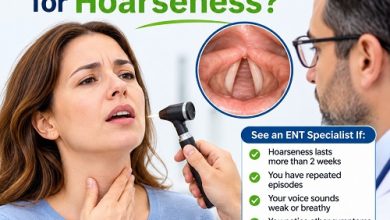
You should consult an ENT specialist if hoarseness returns after treatment or continues despite following your recovery instructions.
A professional examination is particularly important if you experience:
- Hoarseness lasting more than three weeks.
- Persistent changes in your speaking voice.
- Difficulty singing or reaching normal pitches.
- Repeated vocal fatigue.
- Pain or discomfort when speaking.
- Frequent coughing or throat clearing.
- A noticeable reduction in voice strength.
Seek urgent medical assessment if you experience breathing difficulties, noisy breathing or significant difficulty swallowing.
An ENT specialist may examine your vocal folds using laryngoscopy. Depending on the findings, they may recommend voice therapy, additional investigations or another treatment approach.
Do not assume that every returning voice problem is caused by vocal cord nodules.
An accurate Vocal Cord Nodules diagnosis is important because different vocal fold conditions require different treatments.
Can Natural Remedies Help Prevent Vocal Nodules Recurrence?
Natural approaches may support general throat comfort and vocal health, but they cannot guarantee that vocal cord nodules will not return.
Some supportive habits include:
- Drinking sufficient water.
- Avoiding smoking and tobacco exposure.
- Maintaining a comfortable indoor humidity level.
- Getting adequate sleep.
- Managing allergies with appropriate medical advice.
- Avoiding excessive shouting and prolonged vocal strain.
- Following a balanced diet.
Warm drinks may provide temporary throat comfort for some people. However, they do not directly heal or remove vocal fold nodules.
Similarly, herbal products should not be considered proven treatments for vocal cord nodules. There is insufficient reliable clinical evidence that herbal supplements can prevent their recurrence.
If you are considering supplements or Natural Remedies for Vocal Cord Nodules, discuss them with your healthcare provider, particularly if you take other medication.
The most reliable approach to preventing recurrence remains appropriate voice rehabilitation, healthy vocal habits and management of contributing conditions.
Long-Term Strategies for Maintaining Healthy Vocal Cords
Preventing vocal nodules is not simply about recovering from treatment. It involves developing habits that protect the voice over the long term.
Consider making these practices part of your daily routine:
Maintain a healthy speaking volume: Speak comfortably without forcing your voice to compete with background noise.
Plan demanding vocal activities: Avoid scheduling several hours of continuous speaking or singing without breaks.
Use professional guidance: Continue working with a speech and language therapist if you have a history of vocal problems.
Protect your throat: Reduce exposure to smoke, dust and other irritants.
Recognise early warning signs: Do not ignore persistent hoarseness or changes in your voice.
Attend recommended check-ups: Follow your specialist’s advice regarding further examinations.
These habits can help reduce unnecessary vocal strain and support long-term voice quality.
Conclusion
Vocal cord nodules can return after treatment, particularly when the original causes of vocal strain remain unresolved. Surgery and voice therapy can improve symptoms, but maintaining those improvements requires consistent attention to vocal habits and appropriate rehabilitation.
Vocal cord nodules recurrence can often be reduced by completing voice therapy, avoiding excessive shouting, staying hydrated and managing contributing conditions such as allergies and acid reflux.
Following appropriate post-treatment care is equally important. Give your vocal folds sufficient time to recover, attend follow-up appointments and gradually return to demanding speaking or singing activities.
If hoarseness or other voice changes return, consult an ENT specialist rather than assuming the original nodules have developed again.
With appropriate treatment, professional guidance and healthy voice habits, many people can maintain comfortable and effective voice function for years.
Frequently Asked Questions
1. Can vocal cord nodules return after they have disappeared?
Yes. Vocal cord nodules can develop again after disappearing, particularly if excessive shouting, loud speaking or poor singing techniques continue. Maintaining healthy vocal habits and following recommended voice therapy can help reduce the risk.
2. How common is vocal cord nodules recurrence?
The exact recurrence rate for vocal cord nodules varies between studies and treatment approaches. Research involving different benign vocal fold lesions suggests that recurrence is possible after surgery. However, individual risk depends on factors such as vocal habits, rehabilitation and underlying conditions.
3. Can vocal cord nodules return after surgery?
Yes. Surgery removes existing nodules but does not automatically correct the habits that caused them. Postoperative voice therapy and appropriate recovery are important for reducing the risk of recurrence.
4. Does voice therapy prevent vocal cord nodules from coming back?
Voice therapy can help reduce recurrence risk by teaching healthier speaking and singing techniques. It helps people avoid excessive vocal tension and repeated trauma to the vocal folds. However, it cannot guarantee that nodules will never return.
5. How long should I rest my voice after vocal cord nodule treatment?
The required voice rest depends on the treatment received. Following surgery, your surgeon may recommend complete or relative voice rest for a specific period. Always follow your specialist’s instructions instead of choosing a recovery period yourself.
6. Can singers develop vocal cord nodules again?
Yes. Singers may develop nodules again if they return to demanding performances without proper vocal technique or sufficient recovery. Vocal warm-ups, appropriate breathing techniques and professional voice training can help protect the vocal folds.
7. What are the early signs of vocal cord nodules recurrence?
Early signs may include persistent hoarseness, vocal fatigue, difficulty reaching high notes, reduced voice strength and frequent throat clearing. These symptoms can also indicate other voice disorders, so an ENT examination is important.
8. Can drinking water prevent vocal cord nodules from returning?
Drinking sufficient water supports normal vocal fold function and helps maintain hydration. However, water alone cannot prevent nodules from returning. Healthy voice techniques and avoiding excessive vocal strain are also important.
9. Can acid reflux cause vocal cord nodules to return?
Acid reflux may contribute to throat and laryngeal irritation in some people. If reflux is part of your underlying problem, managing it may support vocal recovery. However, reflux is not the cause of every case of vocal cord nodules.
10. When should I see an ENT specialist after vocal cord nodule treatment?
Consult an ENT specialist if hoarseness returns, your voice becomes persistently weak or you experience difficulty speaking or singing. Persistent hoarseness lasting more than three weeks should be evaluated, even if you previously received treatment for vocal cord nodules.
Medical disclaimer
This article is intended for educational and informational purposes only. It does not replace professional medical advice, diagnosis or treatment. Vocal cord nodules and recurring voice problems require appropriate evaluation by a qualified ENT specialist. Treatment options depend on individual symptoms, examination findings and medical history. Do not discontinue prescribed treatment or delay medical consultation because of information presented in this article.
Medical references
The following medical publications and clinical resources support the information presented in this article.
- Béquignon E, et al. (2013). Long-term results of surgical treatment of vocal fold nodules. The Laryngoscope, 123, 1926–1930.
Read the research on PubMed. - Gocal WA, et al. (2025). Systematic Review of Recurrence Rates of Benign Vocal Fold Lesions Following Surgery. Journal of Voice, 39(3), 787–798.
Read the systematic review. - American Academy of Otolaryngology–Head and Neck Surgery Foundation. Clinical Practice Guideline: Hoarseness (Dysphonia) (Update).
Read the clinical practice guideline. - Merck Manual Professional Edition (2025). Vocal Fold Polyps, Nodules, and Granulomas.
Read the medical overview. - Optimizing Management Strategies for Vocal Cord Nodules: A Systematic Review.
Read the systematic review on vocal cord nodule management. - Voice Therapy and Vocal Nodules in Adults. Review of voice therapy approaches and their effectiveness in managing vocal fold nodules.
Read the research on PubMed.