
Your voice is an essential part of everyday communication. Whether you use it for speaking, teaching, singing, working, or expressing emotions, healthy vocal cords play an important role in producing a clear and comfortable voice. However, excessive voice use, poor speaking habits, and repeated irritation can lead to vocal cord nodules.
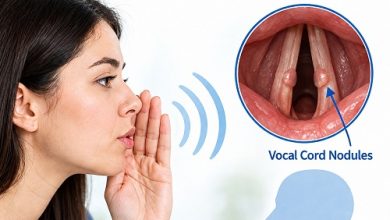
Vocal cord nodules are small, benign (non-cancerous) growths that develop on the vocal folds. They commonly occur because of repeated friction and pressure caused by excessive or improper voice use. People with this condition may experience hoarseness, vocal fatigue, a rough voice, and difficulty speaking or singing comfortably.
Although vocal cord nodules are generally treatable, ignoring the condition can lead to ongoing voice problems. Untreated vocal cord nodules may continue to interfere with normal vocal fold vibration, making it increasingly difficult to produce a clear and consistent voice.
Some people assume that hoarseness will disappear on its own. While temporary voice changes can improve with rest, persistent symptoms should not be ignored. Continued vocal strain may contribute to further irritation, compensatory speaking habits, and long-term voice difficulties.
What Are Vocal Cord Nodules?
What Are Vocal Cord Nodules? Vocal cord nodules, also called vocal fold nodules, are small, non-cancerous lesions that develop on the vocal folds inside the larynx (voice box).
The vocal folds are two flexible bands of tissue that vibrate when air passes through them from the lungs. These vibrations produce the sound we use for speaking and singing.
When someone repeatedly strains their voice, the vocal folds experience excessive mechanical stress. Over time, repeated irritation can cause swelling and the development of small nodules, commonly on both vocal folds at corresponding contact points.
Vocal cord nodules are sometimes compared to calluses because they can develop through repeated friction and pressure.
They are particularly common among people who use their voices extensively, including:
- Teachers and school instructors.
- Professional singers and performers.
- Public speakers and presenters.
- Call centre employees.
- Coaches and fitness instructors.
- People who frequently shout or speak loudly.
Although vocal cord nodules are benign, they can significantly affect voice quality and communication. Early Vocal Cord Nodules diagnosis and appropriate treatment can help prevent ongoing irritation and improve vocal function.
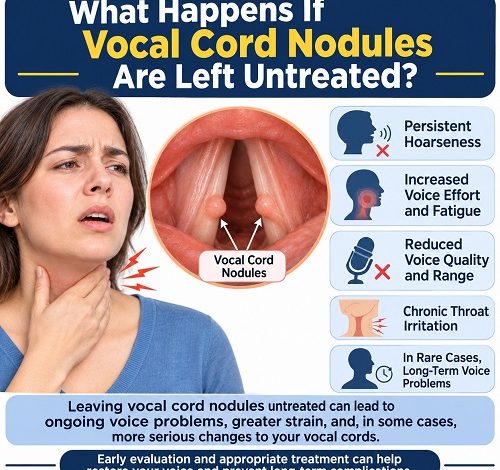
What Happens If Vocal Cord Nodules Are Left Untreated?
Leaving vocal cord nodules untreated does not mean that every person will develop permanent vocal problems. However, continuing the habits that caused the nodules can prevent recovery and increase the risk of persistent symptoms.
The following are some potential consequences of ignoring this condition.
1. Persistent Hoarseness and Changes in Voice Quality
One of the most common consequences of untreated vocal cord nodules is persistent hoarseness.
Healthy vocal folds need to vibrate smoothly and close properly to produce a clear voice. Nodules can interfere with this process by affecting the way the vocal folds come together.
As a result, your voice may sound:
- Rough or raspy.
- Breathier than usual.
- Weak or unclear.
- Lower or different in pitch.
- Strained during conversation.
Persistent hoarseness can become particularly frustrating when it interferes with everyday communication.
For example, teachers may struggle to speak clearly in classrooms, singers may find it difficult to maintain their usual vocal quality, and professionals may experience discomfort during meetings or presentations.
If the underlying problem remains untreated, these voice changes may continue rather than resolving naturally.
2. Increased Vocal Damage and Irritation
Another potential consequence of untreated vocal cord nodules is increased vocal irritation.
When nodules interfere with normal vocal fold vibration, people may unconsciously use additional effort to produce sound. They might speak louder, push their voice, or tighten their throat muscles to compensate for the altered sound.
These behaviours can create additional stress on the vocal folds.
Over time, repeated vocal strain may contribute to further inflammation, swelling, and tissue irritation.
This is why vocal damage is an important concern when discussing untreated vocal cord nodules.
It is important to understand that permanent damage is not inevitable. Many people improve with appropriate voice therapy and changes in vocal habits. However, continuing excessive voice use without addressing the underlying problem can make recovery more difficult.
3. Reduced Vocal Range and Singing Difficulties
Vocal cord nodules can significantly affect people who depend on their voices professionally or creatively.
Singers may notice that certain notes become difficult to produce. Their upper vocal range may become less reliable, and their voice may crack or become unstable during performances.
Some people also experience difficulty controlling pitch and maintaining consistent sound quality.
These problems occur because nodules interfere with the normal vibration and flexibility of the vocal folds.
If the condition is ignored, singers may continue to strain their voices in an attempt to maintain their previous vocal range.
This can increase discomfort and interfere with vocal performance.
Professional singers should seek an evaluation from an ENT specialist or voice specialist if they experience persistent hoarseness or unexplained changes in their singing voice.
4. Vocal Fatigue and Reduced Speaking Endurance
Vocal fatigue occurs when speaking becomes increasingly tiring or uncomfortable.
People with vocal cord nodules may notice that their voice feels normal in the morning but becomes weak, rough, or strained after several hours of talking.
This happens because the vocal system may need additional effort to compensate for disrupted vocal fold vibration.
Common symptoms of vocal fatigue include:
- Difficulty speaking for extended periods.
- A tired or weak voice after conversations.
- Increased effort when speaking loudly.
- Frequent throat clearing.
- A sensation of throat tightness.
- Reduced ability to project the voice.
If the nodules remain untreated and excessive voice use continues, these Vocal Cord Nodules symptoms may become an ongoing problem.
For teachers, customer service representatives, and other professional voice users, reduced speaking endurance can interfere with daily responsibilities.
5. Development of Unhealthy Speaking Habits
One frequently overlooked consequence of untreated vocal cord nodules is the development of compensatory speaking habits.
When your voice becomes hoarse or weak, you may naturally try to overcome the problem by pushing your voice harder.
For example, you might:
- Speak louder than necessary.
- Tighten your throat while talking.
- Forcefully project your voice.
- Use excessive breath pressure.
- Continue speaking despite discomfort.
Although these behaviours may temporarily make your voice louder, they can increase tension around the larynx and place additional stress on the vocal folds.
Over time, these habits may contribute to muscle tension dysphonia, a voice disorder involving excessive or inappropriate muscle activity during speaking.
Voice therapy can help identify and correct these patterns before they become deeply established.
6. Persistent Throat Discomfort
Vocal cord nodules do not always cause physical pain. However, some individuals experience discomfort associated with excessive vocal effort.
You may notice:
- A dry or irritated throat.
- A sensation of tightness when speaking.
- Frequent throat clearing.
- Discomfort after prolonged conversations.
- A feeling that something is stuck in your throat.
These symptoms can have several possible causes, and they should not automatically be attributed to vocal cord nodules.
For example, allergies, acid reflux, respiratory infections, and other throat conditions can produce similar complaints.
If discomfort continues, a medical evaluation can help identify the underlying cause.
7. Reduced Professional and Social Confidence
Your voice plays an important role in communication, professional performance, and social interaction.
When your voice remains hoarse or weak, you may begin avoiding conversations, presentations, meetings, or social activities.
People who work in voice-dependent professions may become concerned about their ability to perform their responsibilities.
Singers may lose confidence in their performances, while teachers may find classroom communication increasingly challenging.
Although these effects are not direct physical complications, they can significantly affect quality of life.
Seeking early treatment can help individuals understand their condition, improve vocal technique, and regain confidence in their communication abilities.
8. More Difficult Recovery if Harmful Habits Continue
Vocal cord nodules often respond well to conservative treatment, especially when they are identified early.
However, continuing the behaviours responsible for their development can make improvement more challenging.
For example, a person who frequently shouts, speaks loudly, or uses an incorrect singing technique may continue irritating the vocal folds even while experiencing symptoms.
The problem is not necessarily that the nodules will become permanently irreversible. Rather, repeated irritation can prevent the vocal tissues from recovering properly.
In some cases, persistent benign vocal fold lesions may require more extensive treatment if conservative approaches do not produce sufficient improvement.
This is why addressing the underlying cause is just as important as treating the nodules themselves.
Can Untreated Vocal Cord Nodules Become Permanent?
This is one of the most common questions people ask after being diagnosed with vocal cord nodules.
The answer depends on several factors, including the severity of the lesions, how long they have been present, and whether the person continues to strain their voice.
Some early nodules may improve or resolve with appropriate voice therapy, vocal care, and changes in speaking habits.
However, longstanding lesions may become more established and may not disappear completely without appropriate management.
It is important to distinguish between the persistence of a nodule and permanent loss of vocal function. Even when a lesion remains visible, voice quality and speaking ability may improve considerably through treatment.
Therefore, untreated vocal cord nodules should not automatically be considered permanent vocal damage. Nevertheless, ignoring persistent symptoms is not advisable.
What Causes Vocal Cord Nodules to Develop or Worsen?
Understanding the causes of vocal cord nodules is essential for preventing further irritation.
Common contributing factors include:
- Excessive voice use: Speaking or singing for long periods without sufficient vocal recovery can place repeated stress on the vocal folds.
- Frequent shouting: Shouting and screaming create increased pressure and forceful vocal fold contact.
- Incorrect singing techniques: Poor breath support, excessive vocal tension, and forcing high notes can contribute to vocal strain.
- Smoking: Tobacco smoke irritates the respiratory tract and can negatively affect vocal health.
- Environmental irritants: Dust, chemical fumes, and polluted air may irritate the throat and larynx.
- Chronic coughing and throat clearing: Repeated forceful contact and irritation may contribute to vocal fold trauma.
- Poor vocal habits: Speaking at an excessively loud volume, using an uncomfortable pitch, and continuing to talk when the voice is tired can increase vocal stress.
Identifying and modifying these contributing factors is an important part of successful treatment.
How Are Vocal Cord Nodules Diagnosed?
If you experience persistent hoarseness or voice changes, an ENT specialist can examine your vocal folds to determine the cause.
Diagnosis generally involves a medical history, voice assessment, and examination of the larynx.
Common diagnostic procedures include:
Laryngoscopy
Laryngoscopy allows a healthcare professional to examine the vocal folds using a small camera or viewing instrument.
It helps identify nodules, swelling, inflammation, and other abnormalities.
Videostroboscopy
Videostroboscopy uses a specialised light and camera system to evaluate vocal fold vibration.
It provides information about vocal fold movement, closure, and vibratory characteristics that may not be apparent during a routine examination.
An accurate diagnosis is important because not every person with persistent hoarseness has vocal cord nodules. Other conditions, including vocal fold polyps, cysts, paralysis, and more serious laryngeal disorders, can cause similar symptoms.
How Can Vocal Cord Nodules Be Treated?
The good news is that most people with vocal cord nodules can improve without surgery.
Treatment depends on the severity of the condition, the individual’s symptoms, and the underlying causes.
1. Voice Therapy
Voice therapy is generally the main treatment for vocal cord nodules.
A speech-language pathologist who specialises in voice disorders can teach techniques that reduce unnecessary vocal strain.
Voice therapy may include:
- Correct breathing techniques.
- Improved breath support.
- Gentle voice exercises.
- Appropriate pitch and volume control.
- Reduced throat tension.
- Healthy speaking and singing habits.
The objective is to help the vocal folds function more efficiently while reducing repeated irritation.
2. Vocal Hygiene and Voice Modification
Healthy vocal habits are essential for recovery.
Your healthcare provider may recommend:
- Drinking sufficient water.
- Avoiding unnecessary shouting.
- Taking regular voice breaks.
- Avoiding excessive throat clearing.
- Using a comfortable speaking volume.
- Avoiding smoking and secondhand smoke.
- Using a microphone when speaking to large groups.
These adjustments can reduce stress on the vocal folds and support recovery.
3. Vocal Rest
Temporary voice reduction may be recommended when the vocal folds are irritated.
However, complete or prolonged voice rest is not always necessary or appropriate.
Follow your healthcare provider’s recommendations rather than attempting extended vocal rest independently.
4. Surgery
Surgery is generally not the first treatment for vocal cord nodules.
It may be considered when a persistent lesion causes significant symptoms and does not respond adequately to conservative treatment.
A specialist may recommend a procedure to remove the lesion while preserving as much healthy vocal fold tissue as possible.
Voice therapy and correction of harmful vocal habits are still important because surgery alone does not eliminate the behaviours that contributed to the nodules.
When Should You See an ENT Specialist?
You should arrange a medical evaluation if you experience:
- Hoarseness lasting longer than four weeks.
- Repeated voice loss.
- Persistent vocal fatigue.
- Difficulty speaking or singing comfortably.
- Unexplained changes in voice quality.
- A voice that becomes progressively weaker.
- Persistent throat discomfort accompanied by voice changes.
According to the American Academy of Otolaryngology–Head and Neck Surgery, clinicians should perform or arrange laryngoscopy when dysphonia does not resolve or improve within four weeks. Earlier assessment is appropriate when a serious underlying condition is suspected.
Seek urgent medical attention if you experience difficulty breathing, noisy breathing (stridor), or rapidly worsening airway symptoms. A neck lump, coughing up blood, difficulty swallowing, or unexplained weight loss also warrants prompt medical assessment.
Do not assume that persistent hoarseness is always caused by benign vocal cord nodules. A proper examination is necessary to rule out other conditions.
How Can You Prevent Vocal Cord Nodules From Returning?
Preventing recurrence involves protecting your vocal folds and maintaining healthy voice habits.
Here are some practical steps:
Stay hydrated: Drink enough water throughout the day to support normal vocal function.
Warm up your voice: Gentle vocal warm-ups can be helpful before prolonged speaking or singing.
Avoid shouting: Use amplification when necessary instead of forcing your voice.
Take regular breaks: Give your voice sufficient recovery time, particularly if your profession requires extensive speaking.
Avoid smoking: Smoking and exposure to secondhand smoke can irritate the vocal tract.
Practise proper vocal techniques: Work with a qualified voice therapist or singing instructor if you regularly use your voice professionally.
Manage contributing conditions: Seek appropriate care for allergies, chronic coughing, or other conditions that may affect your voice.
Consistency is important. Healthy vocal habits can help reduce unnecessary strain and support long-term vocal health.
Frequently Asked Questions (FAQs)
1. What happens if vocal cord nodules are left untreated?
Untreated vocal cord nodules may cause persistent hoarseness, vocal fatigue, reduced vocal range, and difficulty speaking comfortably. Continued vocal strain can contribute to additional irritation and compensatory speaking habits.
2. Can vocal cord nodules go away without treatment?
Some early nodules may improve with reduced vocal strain and changes in voice use. However, persistent symptoms should be evaluated by an ENT specialist to determine whether voice therapy or other treatment is necessary.
3. Can untreated vocal cord nodules cause permanent voice damage?
Permanent voice damage is not inevitable. However, prolonged vocal strain and ongoing irritation may contribute to persistent voice problems. Early diagnosis and appropriate treatment improve the chances of recovery.
4. Are vocal cord nodules cancerous?
No. Typical vocal cord nodules are benign, non-cancerous growths. However, other vocal fold lesions can sometimes produce similar symptoms, so proper examination is important.
5. How long does it take for vocal cord nodules to heal?
Recovery varies depending on the severity of the nodules and the individual’s vocal habits. Cleveland Clinic reports that nodules commonly improve within two to six months with voice therapy or vocal rest.
6. Is surgery necessary for vocal cord nodules?
Most people do not need surgery. Voice therapy and changes in vocal habits are usually the first treatment options. Surgery may be considered when significant symptoms persist despite appropriate conservative management.
7. Can I continue singing with vocal cord nodules?
Continuing intensive singing without medical advice may worsen vocal strain. Singers should have their vocal folds examined and follow an appropriate rehabilitation plan before returning to demanding vocal activities.
Conclusion
Leaving vocal cord nodules untreated can lead to ongoing hoarseness, vocal fatigue, reduced vocal range, and difficulty communicating comfortably. Continued vocal strain may also increase irritation and contribute to unhealthy speaking habits.
Although these lesions are generally benign and treatable, ignoring persistent voice changes is not a good approach. Early diagnosis, professional voice therapy, and healthy vocal habits can help improve vocal function and reduce the risk of ongoing problems.
If you are experiencing persistent hoarseness or suspect that you have vocal cord nodules, consult an ENT specialist for an accurate diagnosis and personalised treatment plan.
Protecting your voice today can help preserve your ability to communicate clearly and confidently in the future.
Medical References and Sources
The following are credible medical resources that can support the medical accuracy of this article.
- Cleveland Clinic – Vocal Cord Lesions, Nodules, Polyps, and Cysts
Provides information about symptoms, causes, complications, diagnosis, and treatment.
Read Cleveland Clinic reference. - National Center for Biotechnology Information (NCBI) – Overview: Vocal Nodules
Explains the development of vocal nodules, their symptoms, and treatment approaches.
Read NCBI medical reference. - American Academy of Otolaryngology–Head and Neck Surgery (AAO-HNS) – Clinical Practice Guideline: Hoarseness (Dysphonia) Update
Provides clinical recommendations for evaluating persistent hoarseness and managing voice disorders.
Read clinical practice guideline. - Weill Cornell Medicine – Sean Parker Institute for the Voice: Nodules
Explains voice therapy, vocal rest, and management of vocal fold nodules.
Read Weill Cornell medical information. - Merck Manual Professional Edition – Vocal Fold Polyps, Nodules, and Granulomas
Provides professional medical information about vocal fold lesions, diagnosis, and management.
Read Merck Manual reference.