
Achalasia is a rare swallowing disorder that affects the oesophagus, the muscular tube that carries food and liquids from the mouth to the stomach. People with this condition may experience difficulty swallowing, regurgitation, chest discomfort and unintended weight loss. These symptoms can interfere with eating, sleeping and everyday activities.
One established treatment option is Heller myotomy for achalasia, a surgical procedure that helps food pass more easily into the stomach. The operation involves cutting selected muscle fibres around the lower oesophageal sphincter, the muscular valve that normally relaxes when a person swallows.
When this valve fails to relax properly, food and liquids can collect in the oesophagus. Heller myotomy reduces the resistance at the lower end of the oesophagus, helping to relieve swallowing difficulties. How the procedure works, who may benefit, how to prepare for surgery, what to expect during recovery and which risks patients should discuss with their healthcare team.
What Is Achalasia?
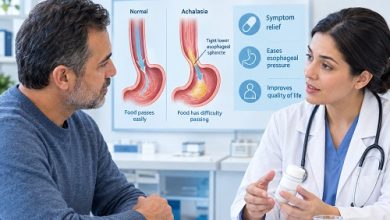
What Is Achalasia? Achalasia occurs when the oesophagus has difficulty moving food towards the stomach and the lower oesophageal sphincter does not relax normally during swallowing. The condition is associated with damage to nerve cells that regulate oesophageal movement.
In a healthy digestive system, coordinated muscle contractions push swallowed food downwards. At the same time, the lower oesophageal sphincter relaxes to allow food to enter the stomach. Achalasia disrupts this process.
Common Achalasia symptoms include:
- Difficulty swallowing solid foods and liquids.
- A sensation that food becomes stuck in the chest.
- Regurgitation of undigested food or saliva.
- Chest discomfort or pain.
- Heartburn-like symptoms.
- Coughing, particularly at night.
- Unintended weight loss.
- Recurrent respiratory problems caused by regurgitated material entering the airways.
Symptoms may develop gradually, and patients sometimes mistake them for acid reflux or other digestive conditions.
Doctors may use tests such as oesophageal manometry, an upper gastrointestinal endoscopy and a timed barium swallow to assess swallowing function and confirm the Achalasia diagnosis. These investigations also help identify other conditions that can produce similar symptoms.
What Is Heller Myotomy for Achalasia?
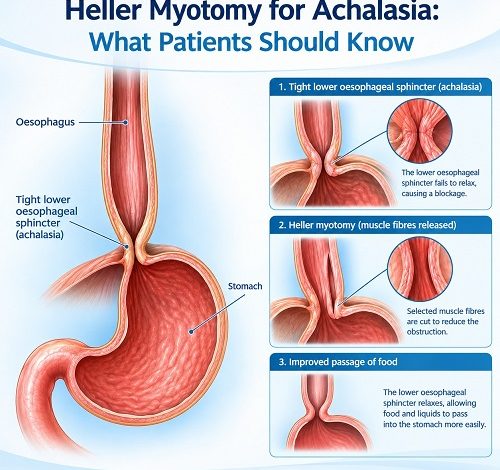
Heller myotomy is a surgical treatment designed to reduce the muscular obstruction at the lower end of the oesophagus. During the procedure, the surgeon cuts selected muscle fibres in the lower oesophagus and usually extends the incision a short distance onto the upper stomach.
The procedure does not remove the oesophagus or replace the lower oesophageal sphincter. Instead, it weakens the tight muscle barrier so that swallowed food can move into the stomach more easily.
Surgeons commonly perform the operation using minimally invasive techniques, including laparoscopy. This approach uses small abdominal incisions, a camera and specialised instruments.
A partial fundoplication is often performed during the same operation. This additional procedure uses part of the stomach to create a partial barrier against acid reflux while allowing food to pass through the relaxed sphincter.
Heller myotomy has been used for many years and can provide lasting symptom relief for suitable patients. However, it does not restore the damaged nerve function responsible for achalasia. Some people continue to experience symptoms or need further treatment.
Who May Benefit From Heller Myotomy?
Heller myotomy may be appropriate for adults with confirmed achalasia who experience significant swallowing difficulties, regurgitation or other symptoms that affect their quality of life.
A specialist may discuss this surgical treatment when:
- Symptoms make eating and drinking difficult.
- The condition affects nutrition or causes weight loss.
- Less invasive treatments have not provided sufficient relief.
- The patient prefers a surgical option after discussing alternatives.
- Clinical investigations indicate that the procedure is suitable.
The decision depends on several factors, including the type of achalasia, overall health, oesophageal function and previous treatments.
Achalasia is commonly classified into three types based on oesophageal pressure patterns and muscle activity. These types can influence treatment decisions. For example, peroral endoscopic myotomy (POEM) may be particularly useful for some patients with type III achalasia because the muscle incision can extend further along the oesophagus.
A gastroenterologist and an experienced oesophageal surgeon can explain which approach is most appropriate. Heller myotomy is not the best option for every patient, and individual assessment is essential.
How Is Heller Myotomy Performed?
Understanding the stages of the procedure can help patients prepare for surgery and know what to expect.
1. Preoperative assessment
Before surgery, the healthcare team reviews the patient’s symptoms, medical history, current medicines and nutritional status. Tests may include oesophageal manometry, endoscopy and a barium swallow study.
Because food and liquids can remain in the oesophagus in people with achalasia, the surgeon and anaesthetist may provide specific fasting instructions. Patients should follow these instructions carefully because retained oesophageal contents can increase the risk of aspiration during anaesthesia.
2. General anaesthesia
Heller myotomy is generally performed under general anaesthesia. The patient remains unconscious during the operation, and the anaesthesia team monitors breathing, heart rate and other vital signs.
3. Minimally invasive surgery
In a laparoscopic procedure, the surgeon makes several small incisions in the abdomen and inserts a camera and specialised instruments.
The surgeon identifies the lower oesophagus and upper stomach before dividing the selected muscle fibres. The incision usually extends across the lower oesophageal sphincter and a short distance onto the stomach.
The surgeon aims to release enough muscle to improve swallowing while protecting the inner lining of the oesophagus.
4. Partial fundoplication
Many surgeons perform a partial fundoplication to reduce the risk of postoperative acid reflux. Common approaches include Dor and Toupet fundoplication.
These techniques differ in how the stomach is positioned around the oesophagus. The choice depends on the surgeon’s approach and the patient’s circumstances.
5. Recovery after the operation
After surgery, the patient is monitored as the effects of anaesthesia wear off. The healthcare team assesses pain, swallowing, hydration and the ability to tolerate liquids or other permitted foods.
The length of the hospital stay varies according to the surgical approach, recovery progress and any complications.
Benefits of Heller Myotomy
For suitable patients, Heller myotomy can significantly improve swallowing and reduce the difficulties associated with achalasia.
Potential benefits include the following.
Improved passage of food: Relaxing the lower oesophageal sphincter reduces resistance when food moves from the oesophagus into the stomach.
Less regurgitation: Better oesophageal emptying may reduce the return of retained food into the mouth, although symptoms may not disappear completely.
Improved nutritional intake: Patients who previously struggled to eat may find it easier to consume adequate food and fluids after recovery.
Long-lasting symptom relief: Many patients experience sustained improvement, although symptoms can recur and some people require additional Achalasia treatment.
Minimally invasive options: Laparoscopic surgery generally involves smaller incisions than traditional open surgery and may support a quicker recovery.
The degree of improvement varies. Some patients continue to experience chest discomfort, regurgitation or swallowing difficulties even after technically successful surgery.
Heller Myotomy Compared With Other Achalasia Treatments
Several treatments can reduce the obstruction caused by the lower oesophageal sphincter. Each has different benefits, limitations and risks.
Pneumatic dilation
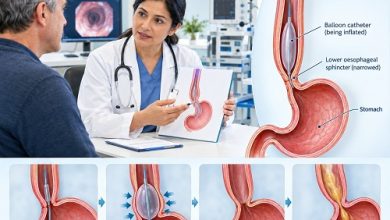
Pneumatic dilation uses an inflatable balloon to stretch and disrupt muscle fibres at the lower oesophageal sphincter. It does not require abdominal surgery, but patients may need repeat procedures.
A significant risk is oesophageal perforation, which requires prompt medical assessment and may require further intervention.
Peroral endoscopic myotomy (POEM)
POEM is an endoscopic procedure performed through the mouth. The specialist creates a tunnel within the oesophageal wall and cuts selected muscle fibres without making external abdominal incisions.
POEM can be particularly useful for certain patients, including some with type III achalasia. However, reflux after the procedure is an important consideration because an antireflux procedure is not routinely performed at the same time.
Botulinum toxin injection
Botulinum toxin is injected into the lower oesophageal sphincter during endoscopy. It temporarily reduces muscle activity and may help patients who cannot undergo more definitive treatment.
Its benefits often wear off, so repeated injections may be necessary.
Medication
Certain medicines can temporarily relax the lower oesophageal sphincter. However, their benefits are often limited, and side effects can restrict their use.
Achalasia Medication is generally reserved for selected circumstances when more effective interventions are unsuitable or unavailable.
Heller myotomy, POEM and pneumatic dilation are established treatment options. The best choice depends on clinical findings, patient preferences, local expertise and the risks associated with each approach.
Achalasia Treatment Options: A Guide to Managing Swallowing Difficulties
Achalasia is a rare oesophageal disorder that makes swallowing food and liquids difficult. It occurs when the lower oesophageal sphincter does not relax properly, preventing food from passing easily into the stomach. Understanding the available Achalasia Treatment Options can help patients make informed decisions with their healthcare professionals.
Common Achalasia Treatment Options
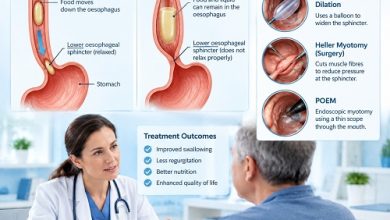
Treatment aims to improve swallowing, reduce regurgitation and support adequate nutrition. Common medical treatments include pneumatic dilation, which stretches the lower oesophageal sphincter, and Heller myotomy, a surgical procedure that releases tight muscle fibres. Peroral endoscopic myotomy (POEM) is another option that uses an endoscopic approach to cut selected muscle fibres.
Botulinum toxin injections may provide temporary relief for patients who cannot undergo more definitive treatments. Doctors may recommend different approaches depending on symptoms, test results, overall health and individual preferences.
Can Natural Remedies Help?
Some lifestyle changes may help manage symptoms. Eating smaller meals, chewing food thoroughly, eating slowly and remaining upright after meals can make eating more comfortable. Choosing suitable food textures and maintaining adequate hydration may also support nutrition.
Although people often search for Natural Remedies for Achalasia, herbs and supplements have not been proven to reverse the underlying nerve dysfunction. They should not replace medical treatment.
How to Prepare for Achalasia Surgery
Good preparation can help patients understand the procedure, reduce avoidable risks and plan for recovery.
Follow fasting instructions
Your surgical team will explain when to stop eating and drinking. Because achalasia can cause food to remain in the oesophagus, the team may recommend a specific preparation plan beyond routine fasting instructions.
Do not change your fasting schedule without guidance from the clinical team.
Review your medicines
Tell your doctor about all prescription medicines, non-prescription products, vitamins and herbal supplements you take. Some products may affect bleeding, blood pressure or anaesthesia.
Do not stop prescribed medication unless your healthcare professional advises you to do so.
Discuss your nutritional needs
Difficulty swallowing can lead to dehydration, inadequate calorie intake and weight loss. Ask your healthcare team whether you need nutritional assessment or support before surgery.
A dietitian may help you maintain adequate nutrition using foods and liquids that are safe and manageable for your symptoms.
Arrange help at home
Plan transport home and arrange assistance during the initial recovery period. Follow your surgeon’s instructions about driving, lifting, exercise and returning to work.
Ask questions before the procedure
Useful questions include:
- Why do you recommend Heller myotomy in my case?
- Would POEM or pneumatic dilation be suitable alternatives?
- Will you perform a partial fundoplication?
- What complications should I know about?
- How long might I need to remain in hospital?
- What should I eat and drink after surgery?
- What follow-up tests or appointments will I need?
These discussions help you make an informed decision and establish realistic expectations.
Myotomy Recovery: What Patients Should Expect
Myotomy recovery varies according to the surgical technique, individual health and whether complications occur. Many patients return to normal activities gradually over several weeks, but the surgeon’s instructions should guide the recovery plan.
The first few days
After surgery, the healthcare team monitors swallowing, hydration, pain and signs of complications. Some patients begin with liquids and advance their diet as advised.
Mild discomfort, tiredness and temporary changes in appetite may occur. The team will provide guidance about pain relief, wound care and activity.
Do not rush to eat solid foods simply because swallowing feels easier. The oesophagus and surrounding tissues need time to recover.
Eating after surgery
Diet progression differs between surgical teams. Some patients begin with liquids and move to soft foods before gradually returning to a broader diet.
Helpful general measures may include:
- Eat small, frequent meals.
- Take small bites and chew food thoroughly.
- Eat slowly and avoid rushing meals.
- Remain upright while eating and afterwards.
- Drink fluids according to your postoperative instructions.
- Avoid foods that your healthcare team identifies as difficult to swallow during early recovery.
Some people benefit from a dietitian’s support, particularly if they have lost weight or avoided many foods before surgery.
Returning to normal activities
Walking gently, as advised by your healthcare team, can support general recovery. Avoid heavy lifting, strenuous exercise and activities that strain the abdominal muscles until your surgeon confirms that they are safe.
The timing for returning to work depends on the type of job and your recovery. Desk-based work may be possible sooner than physically demanding work.
Long-term follow-up
Follow-up appointments allow your medical team to assess symptom improvement and identify complications. Report persistent swallowing problems, recurrent regurgitation or symptoms that return after an initial improvement.
Some patients need additional tests, such as a timed barium swallow or endoscopy, to investigate ongoing symptoms.
Risks and Possible Complications
Heller myotomy is an established procedure, but it carries risks like other operations. Your surgeon should explain how these risks apply to your individual circumstances.
Possible Achalasia complications include:
Oesophageal or gastric injury: The muscle incision can accidentally damage the inner lining of the oesophagus or stomach. Surgeons take precautions to identify and repair any injury.
Acid reflux: Relaxing the lower oesophageal sphincter can allow stomach contents to move upwards. A partial fundoplication reduces this risk but does not eliminate it.
Persistent swallowing difficulties: Symptoms may continue if the muscle release is insufficient or if other problems affect oesophageal emptying.
Recurrence of symptoms: Some patients develop swallowing difficulties again months or years after surgery.
Bleeding or infection: These are recognised surgical risks, although serious complications are uncommon.
Anaesthesia-related complications: Risks depend partly on general health and other medical conditions.
Gas-bloat symptoms: Some patients experience bloating, increased gas or difficulty belching after fundoplication.
Seek urgent medical assessment if you develop severe or worsening chest or abdominal pain, fever, breathing difficulties, repeated vomiting, inability to swallow liquids or signs of dehydration after surgery. Follow your discharge instructions and contact emergency services for severe symptoms.
Can Heller Myotomy Cure Achalasia?
Heller myotomy can provide substantial and lasting relief, but it is important to understand what the procedure does and does not achieve.
The operation improves the passage of food by reducing resistance at the lower oesophageal sphincter. It does not repair the nerve damage that causes achalasia, and it cannot guarantee normal oesophageal movement.
Some patients experience long-term improvement without needing further intervention. Others may have persistent symptoms, develop reflux or require another procedure.
If swallowing difficulties return, doctors investigate the cause before recommending further treatment. Options may include pneumatic dilation, POEM or repeat surgery in selected cases.
Long-term monitoring is useful because symptoms and treatment needs can change over time.
Diet and Lifestyle After Heller Myotomy
Dietary habits can support recovery and help patients manage swallowing symptoms. However, food choices do not replace the treatment of the underlying oesophageal muscle dysfunction.
Follow the diet plan provided by your surgical team, especially during the first weeks after surgery.
Once your doctor allows a broader diet, consider these general habits:
- Choose balanced meals that provide adequate protein, energy, vitamins and minerals.
- Eat slowly and chew thoroughly.
- Use smaller meals if large portions cause discomfort.
- Avoid lying down immediately after meals.
- Identify foods or drinks that worsen reflux and discuss them with your clinician.
- Maintain adequate fluid intake within your medical instructions.
- Seek professional nutritional advice if you continue to lose weight.
Some patients need to adjust their food textures or meal sizes for longer than others. There is no single diet that suits every person with achalasia.
Avoid relying on herbal products, supplements or home remedies as a substitute for medical treatment. These products have not been shown to reverse the nerve dysfunction associated with achalasia, and some may interact with medicines or affect surgical recovery.
Frequently Asked Questions
1. Is Heller myotomy a major operation?
It is an established surgical procedure, commonly performed using minimally invasive techniques. It requires general anaesthesia and careful postoperative monitoring. The overall risk depends on the patient’s health and the surgeon’s experience.
2. How long does Heller myotomy take?
The operating time varies according to the surgical approach, the patient’s anatomy and whether additional procedures are performed. Your surgeon can provide an estimate based on your individual circumstances.
3. How long does myotomy recovery take?
Many patients resume everyday activities gradually over several weeks. The exact timeline depends on recovery progress, the type of work performed and the surgeon’s restrictions.
4. Will I be able to eat normally after surgery?
Many patients experience improved swallowing and can gradually expand their diet. Some continue to need dietary adjustments or further treatment if symptoms persist.
5. Can achalasia return after Heller myotomy?
Yes. Symptoms can recur if oesophageal emptying remains impaired or other problems develop. A specialist can investigate recurrent symptoms and discuss appropriate treatment options.
6. Is Heller myotomy better than POEM?
Neither procedure is best for everyone. The type of achalasia, risk of reflux, medical history and treatment preferences help determine the most suitable option.
7. Does Heller myotomy prevent acid reflux?
No. The procedure can increase the risk of reflux by relaxing the lower oesophageal sphincter. A partial fundoplication is often performed to reduce this risk, but reflux can still occur.
8. Do I need a special diet after surgery?
Most patients follow a staged diet according to their surgeon’s instructions. The progression from liquids to soft foods and then other textures varies between patients and surgical teams.
9. Can lifestyle changes cure achalasia?
Lifestyle measures may help patients manage eating difficulties and maintain nutrition, but they do not reverse the underlying nerve dysfunction. Medical or procedural treatment is usually needed when symptoms are significant.
10. When should I contact my doctor after surgery?
Contact your healthcare team if swallowing becomes progressively more difficult, symptoms return, or you struggle to maintain adequate food and fluid intake. Severe pain, breathing difficulties, fever or an inability to swallow liquids require urgent medical assessment.
Conclusion
Heller myotomy for achalasia is an established surgical treatment that helps reduce the obstruction caused by a lower oesophageal sphincter that fails to relax properly. By cutting selected muscle fibres, surgeons can improve the passage of food into the stomach and relieve swallowing difficulties.
The procedure offers meaningful benefits for many patients, particularly when symptoms interfere with nutrition and daily life. However, it has potential complications, including acid reflux, and some patients may need further treatment.
Understanding the procedure, preparing carefully and following postoperative dietary and activity instructions can help patients approach treatment with realistic expectations. Discuss your symptoms, test results and treatment preferences with an experienced gastroenterologist and oesophageal surgeon before making a decision.
Medical disclaimer
This article is for general educational purposes only and does not replace professional medical advice, diagnosis or treatment. Achalasia and its treatment require individual assessment by qualified healthcare professionals. Seek medical advice about your symptoms and consult your surgical team for personalised preoperative and postoperative instructions.