
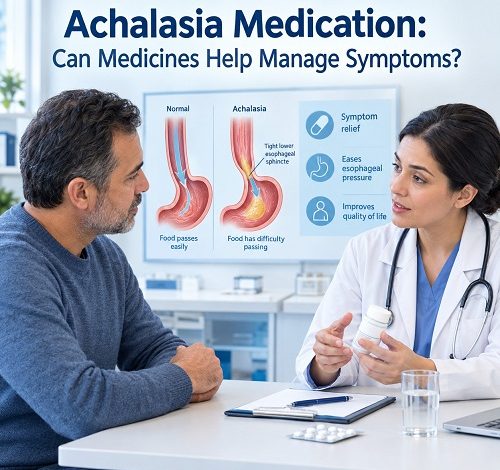
Achalasia is a rare disorder that affects the oesophagus, the muscular tube that carries food and drinks from the mouth to the stomach. People with achalasia can have difficulty swallowing, regurgitation of food or liquid, chest discomfort and a sensation that food is stuck after eating. These symptoms happen because the lower oesophageal sphincter does not relax normally, while the muscles of the oesophagus may also lose their ability to move food effectively towards the stomach.
If you have recently received a diagnosis, you may wonder whether achalasia medication can control the condition or make swallowing easier. Medicines can sometimes provide symptom relief, particularly when swallowing difficulties are mild or when a person cannot immediately undergo a procedure. However, medication does not usually correct the underlying problem or provide a permanent solution.
Understanding how medicines work, what benefits they may offer and where their limitations lie can help you discuss appropriate treatment with your doctor.
What Is Achalasia?
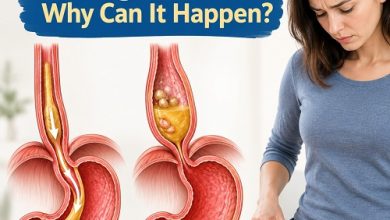
What Is Achalasia? Achalasia develops when the nerves and muscles involved in normal oesophageal movement become impaired. The exact cause is not always clear.
Normally, swallowing triggers coordinated contractions that move food down the oesophagus. At the same time, the lower oesophageal sphincter relaxes so food can enter the stomach.
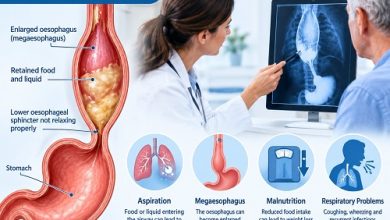
With achalasia, this process becomes disrupted. The lower oesophageal sphincter may remain tightly closed instead of relaxing properly. The oesophageal muscles may also fail to contract normally.
As a result, food and liquid can remain in the oesophagus rather than passing easily into the stomach.
Common Achalasia symptoms include:
- Difficulty swallowing food or liquids
- Regurgitation of undigested food
- Chest pain or discomfort
- Feeling that food is stuck in the chest
- Coughing, particularly at night
- Unintentional weight loss
- Heartburn-like symptoms
- Difficulty eating normal meals
Because achalasia is a long-term condition, treatment generally focuses on reducing the resistance at the lower oesophageal sphincter and improving the passage of food into the stomach.
Can Achalasia Medication Help?
Achalasia medication can sometimes reduce symptoms, but its effectiveness is generally limited compared with treatments that physically reduce the pressure of the lower oesophageal sphincter.
Some medicines can temporarily relax smooth muscle or reduce sphincter pressure. This may make swallowing easier for certain people.
Medicines may be considered when:
- Symptoms are relatively mild
- A person is waiting for a definitive treatment
- A person cannot undergo an endoscopic or surgical procedure
- A doctor considers medication appropriate for an individual situation
- Temporary symptom control is needed
However, medicines do not normally restore normal nerve function or reverse the underlying changes in the oesophagus.
For this reason, doctors often consider medication a symptom-management option rather than a definitive treatment for achalasia.
How Do Medications for Achalasia Work?
Different medicines may work by relaxing smooth muscle or reducing pressure at the lower oesophageal sphincter.
The main goal is to make it easier for swallowed food and liquid to pass from the oesophagus into the stomach.
Two types of medicines that have been used for this purpose include nitrates and calcium-channel blockers.
Nitrates
Nitrates can relax smooth muscle and may temporarily lower pressure in the lower oesophageal sphincter. Some patients may experience improved swallowing for a limited period.
However, their effects are usually short-lived. They can also cause side effects such as headaches, dizziness or low blood pressure.
A doctor must decide whether this type of medicine is suitable for you, particularly if you take other medicines that affect blood pressure or heart function.
Calcium-Channel Blockers
Some calcium-channel blockers can reduce smooth-muscle contraction and may lower pressure within the lower oesophageal sphincter.
Medicines in this category have historically been used to provide temporary symptom relief in some people with achalasia.
Their benefits may be limited, and side effects can include dizziness, headache, low blood pressure and other cardiovascular effects.
Your doctor will consider your general health, existing medicines and other medical conditions before recommending this approach.
What Does Esophageal Relaxation Mean in Achalasia?
Esophageal relaxation is important because the lower oesophageal sphincter needs to open during swallowing.
In achalasia, the sphincter does not relax normally. This creates resistance at the entrance to the stomach.
Medicines that temporarily reduce sphincter pressure may help food pass more easily. However, the degree of relaxation can vary from person to person.
This is one reason medication does not provide the same predictable long-term results as treatments that directly disrupt or reduce the muscle fibres responsible for the excessive sphincter pressure.
The term “esophageal relaxation” therefore describes one potential mechanism through which certain medicines can provide temporary symptom improvement.
When Might Medication Be Considered?
Doctors usually assess the severity of symptoms and the overall health of the patient before deciding on treatment.
Medication may be considered for someone with mild symptoms or for someone who needs temporary management while further investigations or treatment are arranged.
It may also be considered when a patient is not suitable for a procedure because of other health factors.
Your doctor may recommend tests such as an upper gastrointestinal endoscopy, barium swallow or oesophageal manometry to confirm the diagnosis and understand how the oesophagus is functioning.
These investigations are important because several other conditions can cause swallowing difficulties.
A correct diagnosis should come before long-term treatment.
Are Medicines a Permanent Treatment for Achalasia?
Usually, no.
This is one of the most important points to understand about achalasia medication.
Medicines may reduce symptoms, but they generally do not correct the abnormal relaxation of the lower oesophageal sphincter permanently.
Achalasia is caused by changes affecting the nerves and muscles of the oesophagus. Simply taking a medicine cannot usually restore the damaged nerve pathways.
For people who require longer-lasting relief, doctors may discuss treatments that directly target the lower oesophageal sphincter.
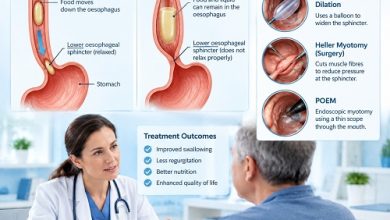
These can include pneumatic dilation, laparoscopic Heller myotomy and peroral endoscopic myotomy (POEM). Botulinum toxin injections may also be considered in selected patients, particularly when other treatments are unsuitable.
The most appropriate option depends on factors such as age, overall health, achalasia subtype, symptom severity and treatment preferences.
Medication Compared With Other Achalasia Treatments
Medication is only one part of the treatment landscape.
Pneumatic Dilation
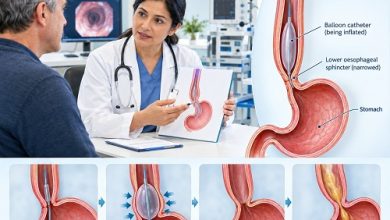
Pneumatic dilation uses a specialised balloon to stretch and disrupt some of the muscle fibres of the lower oesophageal sphincter.
The aim is to reduce resistance and allow food to pass more easily into the stomach.
This treatment can provide longer-lasting relief than medicines for many suitable patients.
Laparoscopic Heller Myotomy
A Heller myotomy is a surgical procedure in which the muscles of the lower oesophageal sphincter are divided to reduce resistance.
It is an established treatment for achalasia and may provide substantial improvement in swallowing.
Peroral Endoscopic Myotomy
POEM is a minimally invasive endoscopic procedure that cuts selected muscle fibres in the lower oesophageal sphincter through an endoscope.
It has become an important treatment option for achalasia and may be particularly useful for certain achalasia subtypes.
Botulinum Toxin Injection
Botulinum toxin can temporarily relax the lower oesophageal sphincter when injected into the muscle.
The effects generally do not last as long as those of definitive treatments, so this approach is often reserved for selected patients.
Can Medication Improve Swallowing?
Some people may experience improved swallowing after taking medicines that reduce lower oesophageal sphincter pressure.
However, the response can be inconsistent.
Medication may work better for some people than others, and the benefit may decrease over time. The oesophagus may also continue to become enlarged or lose muscular function if the underlying obstruction remains untreated.
If swallowing difficulties continue or become worse despite medication, speak with your doctor rather than increasing the dose yourself.
Persistent swallowing problems require medical assessment.
Managing Symptoms Alongside Treatment
Even when medication forms part of your treatment plan, daily habits may help you manage symptoms.
Eating slowly and chewing food thoroughly can make swallowing easier. Some people find that drinking water with meals helps food move through the oesophagus.
You may also find it useful to:
- Eat smaller meals
- Avoid rushing while eating
- Remain upright after meals
- Identify foods that worsen your symptoms
- Avoid eating large meals immediately before bed
- Follow your doctor’s dietary recommendations
- Maintain adequate fluid intake
These measures do not treat the underlying cause of achalasia, but they may support day-to-day symptom management.
What About Heartburn and Reflux?
Heartburn can occur in people with achalasia, but symptoms that feel like reflux do not always mean that ordinary acid reflux is the cause.
Food or liquid that remains in the oesophagus can be regurgitated, creating a sensation that may resemble reflux.
After certain achalasia treatments, genuine gastro-oesophageal reflux can also become more common.
If you experience persistent heartburn, chest discomfort or regurgitation, tell your doctor. They can determine whether your symptoms are related to acid reflux, retained food or the achalasia itself.
Do not automatically begin long-term acid-suppressing medication without discussing your symptoms with a healthcare professional.
What Are the Limitations of Achalasia Medication?
Although medication may provide short-term benefits, there are several limitations.
First, the effect may not last long. Some medicines need to be taken before meals, which can make treatment less convenient.
Second, side effects can limit their usefulness. Medicines that lower blood pressure, for example, may cause dizziness or weakness in some people.
Third, medication does not usually address the underlying muscular obstruction effectively enough to provide a permanent solution.
Finally, continued difficulty swallowing can contribute to poor nutrition and weight loss.
For these reasons, medication should generally be considered within a broader treatment plan rather than as a complete cure.
When Should You Speak to a Doctor?
If you regularly struggle to swallow food or liquids, arrange a medical assessment.
You should seek prompt medical advice if you experience:
- Increasing difficulty swallowing
- Unexplained weight loss
- Frequent regurgitation
- Persistent chest pain
- Repeated coughing or choking while eating
- Difficulty keeping food or fluids down
- Symptoms that are becoming progressively worse
Severe difficulty swallowing or an inability to keep fluids down may require urgent assessment.
Early Achalasia diagnosis can help prevent complications associated with prolonged food retention and poor nutritional intake.
Achalasia Treatment Options
Achalasia is a rare swallowing disorder that affects the oesophagus and makes it difficult for food and liquids to pass into the stomach. The condition occurs when the lower oesophageal sphincter does not relax properly. Choosing suitable Achalasia Treatment Options depends on symptom severity, overall health, and the results of medical assessment.
Common treatment options include medicines, pneumatic dilation, botulinum toxin injections, and surgical or endoscopic procedures. Medicines may temporarily relax the lower oesophageal sphincter and help reduce swallowing difficulties, although their effects may be limited. Pneumatic dilation uses a balloon to widen the tight sphincter, while procedures such as Heller myotomy and peroral endoscopic myotomy (POEM) can provide longer-lasting symptom relief.
Some people also explore Natural Remedies for Achalasia, such as eating smaller meals, chewing food thoroughly, drinking adequate fluids with meals, and remaining upright after eating. These measures may help manage symptoms but cannot remove the underlying muscular problem.
If you experience persistent difficulty swallowing, regurgitation, chest discomfort, or unexplained weight loss, consult a gastroenterologist. Early diagnosis can help determine the most appropriate treatment and reduce complications associated with untreated achalasia.
The Importance of Individualised Treatment
There is no single treatment plan that works for every person with achalasia.
Your doctor may consider your symptoms, test results, age, general health and type of achalasia when recommending treatment.
Medication may be useful in selected circumstances, particularly when temporary symptom relief is needed. However, people with persistent or significant symptoms may benefit more from a treatment that directly reduces the obstruction at the lower oesophageal sphincter.
The aim is to improve swallowing, support adequate nutrition and reduce Achalasia complications associated with food and liquid remaining in the oesophagus.
Final Thoughts on Achalasia Medication
Achalasia medication can sometimes provide temporary symptom relief by reducing pressure and supporting esophageal relaxation. Medicines such as nitrates or certain calcium-channel blockers may be considered in selected patients, but their effects are generally limited and short-lived.
For people with persistent or significant achalasia, doctors may recommend treatments such as pneumatic dilation, Heller myotomy, POEM or, in selected cases, botulinum toxin injection.
If you have difficulty swallowing, do not rely on medication alone or attempt to self-treat the condition. Proper diagnosis and ongoing medical care are important for managing achalasia safely.
The best approach depends on your individual symptoms, test results and overall health. Discuss medications for achalasia and other treatment options with a qualified healthcare professional before starting, stopping or changing any medicine.
Medical Disclaimer
The information provided in this article about achalasia medication, medications for achalasia, symptom relief and esophageal relaxation is for general educational and informational purposes only. It is not intended to replace professional medical advice, diagnosis or treatment from a qualified healthcare professional.
Achalasia can require medical testing and individualised treatment. Do not start, stop or change any prescription medicine, herbal product or other treatment based solely on the information provided in this article. Medicines may cause side effects or interact with other medicines and health conditions.
If you experience persistent difficulty swallowing, regurgitation, unexplained weight loss, chest pain, choking or worsening symptoms, consult your doctor or another qualified healthcare professional. Seek urgent medical attention for severe or rapidly worsening symptoms or if you cannot swallow liquids.
Always discuss your treatment options with your healthcare professional before using any medication or supplement for achalasia.