
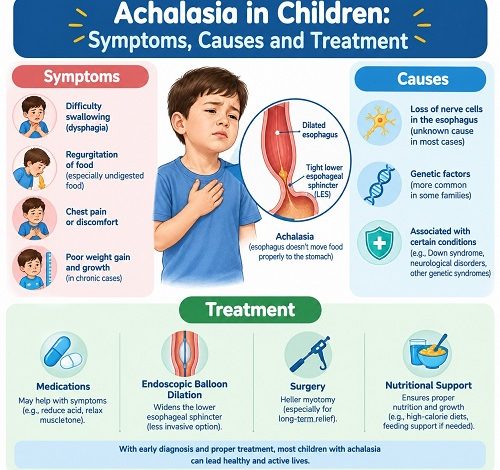
Achalasia in children is a rare digestive disorder that affects the normal movement of food and liquids from the mouth to the stomach. It occurs when the muscles of the oesophagus, also known as the food pipe, do not move food effectively and the lower oesophageal sphincter fails to relax properly during swallowing. As a result, food and liquids may remain in the oesophagus instead of passing easily into the stomach.
Although achalasia is more common in adults, infants, young children and teenagers can also develop this condition. It may cause difficulty swallowing, regurgitation, vomiting, chest discomfort and problems with weight gain. Because these symptoms can resemble acid reflux and other digestive conditions, diagnosing achalasia in children may take time.
Recognising the early warning signs can help parents seek appropriate medical care. With an accurate diagnosis and specialist treatment, many children experience significant improvement in swallowing, nutrition and everyday comfort.
Achalasia symptoms, possible causes, diagnostic tests and treatment options for pediatric achalasia, along with practical advice for parents supporting a child with this condition.
What Is Achalasia in Children?
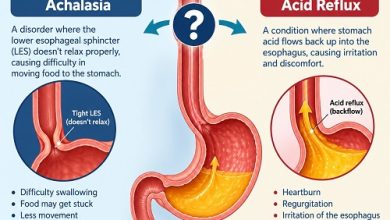
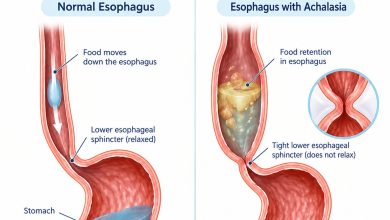
What Is Achalasia in Children? Achalasia is a disorder of oesophageal motility. The oesophagus is a muscular tube that carries swallowed food from the throat to the stomach. Normally, coordinated muscle contractions move food downwards, while the lower oesophageal sphincter (LES) relaxes to allow food to enter the stomach.
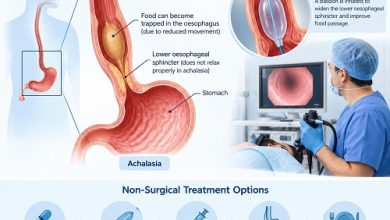
In children with achalasia, these processes do not work normally. The oesophageal muscles may fail to produce effective contractions, and the LES may remain too tight during swallowing. Consequently, food and liquids can collect inside the oesophagus.
Over time, the oesophagus may become enlarged, and swallowing can become increasingly difficult. Children may adapt by eating slowly, drinking water with meals or avoiding foods that feel difficult to swallow.
Pediatric achalasia requires medical assessment because it can interfere with nutrition, growth and respiratory health. Treatment aims to improve the passage of food into the stomach and reduce symptoms. Although treatment can provide lasting relief, continued follow-up may be necessary.
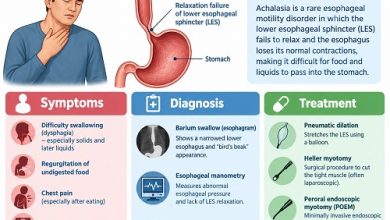
Symptoms of Achalasia in Children
The symptoms of achalasia in children can develop gradually. Some children experience mild problems initially, while others develop more noticeable feeding difficulties. Symptoms may vary according to age and the severity of the condition.
1. Difficulty Swallowing
Difficulty swallowing, medically known as dysphagia, is one of the most characteristic symptoms. A child may complain that food gets stuck in the chest or seems unable to move down after swallowing.
Both solid foods and liquids may become difficult to swallow. Younger children might not be able to describe the sensation, so parents may notice that meals take longer than usual or that their child repeatedly drinks water to help food pass.
Persistent or worsening swallowing difficulties should always be assessed by a healthcare professional.
2. Regurgitation of Undigested Food
Regurgitation occurs when food or liquid returns to the mouth without the forceful retching associated with vomiting. In achalasia, swallowed food may remain in the oesophagus and come back up later.
Parents may notice food appearing in their child’s mouth after meals or while the child is lying down. These episodes can be mistaken for ordinary reflux, particularly in infants and toddlers.
Frequent regurgitation deserves medical attention, especially when it occurs alongside swallowing difficulties, poor growth or coughing.
3. Vomiting After Meals
Some children with achalasia vomit undigested food after eating. This happens because food cannot pass efficiently into the stomach and may accumulate in the oesophagus.
Repeated vomiting can make eating unpleasant and may contribute to dehydration, reduced food intake and inadequate weight gain. Parents should record how often these episodes occur and whether they happen immediately after meals or several hours later.
4. Poor Weight Gain or Weight Loss
Growing children need sufficient calories, protein, vitamins and minerals. When swallowing becomes difficult, a child may eat less than their body requires.
Younger children may fail to gain weight as expected, while older children and teenagers may lose weight. They may also become tired, less active or reluctant to participate in normal activities.
Poor growth is an important warning sign. A paediatrician can assess the child’s growth chart, nutritional intake and possible underlying digestive problems.
5. Chest Pain or Discomfort
Achalasia can cause chest discomfort when food collects in the oesophagus or the muscles contract abnormally. Children may describe pressure, tightness, burning or pain behind the breastbone.
These symptoms can resemble heartburn or acid reflux. However, persistent chest discomfort combined with swallowing difficulties requires further assessment rather than assuming that reflux is the cause.
Severe or sudden chest pain, particularly with breathing difficulty or fainting, requires urgent medical attention.
6. Coughing and Breathing Problems
Food or liquid that returns from the oesophagus can sometimes enter the airway. This is called aspiration and may cause coughing, choking or respiratory complications.
Some children cough more frequently after meals or when lying down. Repeated aspiration can contribute to chest infections and pneumonia.
Parents should seek medical advice if their child regularly coughs during meals, chokes while swallowing or develops recurrent respiratory infections.
7. Heartburn and Acid Reflux-Like Symptoms
Children with achalasia may experience burning discomfort or symptoms that resemble gastro-oesophageal reflux disease (GERD). Regurgitation and chest discomfort can make the two conditions difficult to distinguish.
However, achalasia involves abnormal oesophageal movement and failure of the lower sphincter to relax properly. Reflux treatments alone will not correct this underlying problem.
If symptoms persist despite treatment for reflux, the child’s doctor may consider additional investigations.
8. Feeding Difficulties in Infants and Toddlers
In babies and younger children, symptoms may appear as frequent feeding interruptions, excessive spitting up, choking, unexplained coughing or difficulty finishing feeds.
Because infants cannot explain their symptoms, parents should pay attention to changes in feeding behaviour and growth. Persistent feeding difficulties should not automatically be attributed to normal infant reflux.
These symptoms are not specific to achalasia, so a medical assessment is necessary to identify the cause.
What Causes Achalasia in Children?
The exact cause of achalasia remains uncertain. Researchers believe the condition develops when nerve cells responsible for coordinating oesophageal muscle activity become damaged or stop functioning normally.
These nerve cells help the oesophagus move food towards the stomach and regulate relaxation of the lower oesophageal sphincter. When their function is disrupted, swallowing becomes less effective.
Several factors may be associated with achalasia.
1. Abnormal Nerve Function
The most important underlying problem involves impaired nerve control of the oesophagus. The muscle contractions that normally push food downwards become ineffective, while the lower oesophageal sphincter does not relax adequately.
Researchers continue to investigate why these nerve abnormalities develop.
2. Genetic and Associated Conditions
Some children with achalasia have a family history of the disorder, although many affected children have no known family history.
Achalasia can also occur alongside certain genetic or medical conditions. These include Down syndrome and Allgrove syndrome, a rare inherited condition associated with achalasia, adrenal insufficiency and reduced tear production.
The presence of an associated condition does not mean that every child will develop achalasia. Doctors may recommend further assessment when a child’s medical history suggests an underlying syndrome.
3. Possible Autoimmune or Infectious Factors
Scientists have investigated whether autoimmune processes or certain infections may contribute to the nerve damage associated with achalasia. However, the precise cause of most cases remains unknown.
It is therefore important not to assume that a particular food, routine infection or parenting practice caused the condition.
Achalasia is not caused by a child being fussy about food, and parents should not blame themselves for its development.
How Is Achalasia in Children Diagnosed?
Diagnosing achalasia involves reviewing the child’s symptoms, examining their medical history and performing specialised tests. A paediatric gastroenterologist may coordinate the investigation.
1. Medical History and Physical Examination
The doctor may ask when symptoms started, whether they are becoming more severe and which foods or liquids cause difficulty. They may also ask about vomiting, coughing, chest discomfort, weight changes and previous treatments for reflux.
The examination may include checking hydration, growth, weight and general nutritional status.
2. Barium Swallow Study
A barium swallow, also called an oesophagram, is an imaging test that shows how food-like liquid travels through the oesophagus.
The child swallows a contrast liquid while X-ray images are taken. These images can reveal delayed passage of liquid, widening of the oesophagus and narrowing near its lower end.
This test can provide important evidence of an oesophageal movement disorder.
3. Oesophageal Manometry
Oesophageal manometry measures pressure and muscle coordination during swallowing. A thin tube with pressure sensors is passed through the nose into the oesophagus.
The test helps determine whether the oesophageal muscles contract normally and whether the lower oesophageal sphincter relaxes as expected.
High-resolution manometry is particularly useful for confirming achalasia and identifying its pattern. It is an important diagnostic test, although the exact testing approach depends on the child’s age and ability to cooperate.
4. Upper Gastrointestinal Endoscopy
An upper endoscopy allows a specialist to examine the lining of the oesophagus and upper digestive tract using a flexible tube with a camera.
It can help identify retained food, inflammation, narrowing or other abnormalities. The doctor may also take tissue samples if necessary to investigate alternative conditions.
Endoscopy helps exclude other Achalasia causes of swallowing difficulties, but it does not always confirm achalasia on its own.
5. Additional Investigations
Depending on the child’s symptoms, the medical team may recommend further imaging, nutritional assessments or specialised measurements of oesophageal opening and flexibility.
Not every child needs every test. The doctor will select investigations according to the child’s age, clinical findings and suspected diagnosis.
Treatment Options for Achalasia in Children
Treatment for achalasia in children aims to reduce the tightness of the lower oesophageal sphincter and help food pass into the stomach more easily. The choice depends on the child’s age, symptoms, nutritional status, test results and overall health.
A paediatric gastroenterologist and an experienced paediatric surgeon can explain the benefits, limitations and risks of each option.
1. Laparoscopic Heller Myotomy
Laparoscopic Heller myotomy is an established surgical treatment for achalasia. During the procedure, the surgeon makes small incisions and cuts selected muscle fibres around the lower oesophageal sphincter.
This reduces resistance at the bottom of the oesophagus and allows food to pass into the stomach more easily. A partial fundoplication, which involves wrapping part of the stomach around the lower oesophagus, may also be performed to help reduce reflux after Achalasia surgery.
Heller myotomy can provide substantial and lasting symptom relief for many children. However, it does not restore normal nerve function in the oesophagus, and some children may require additional treatment or ongoing monitoring.
2. Peroral Endoscopic Myotomy (POEM)
Peroral endoscopic myotomy, commonly known as POEM, is a minimally invasive procedure performed through the mouth using an endoscope.
The specialist creates a small tunnel within the oesophageal wall and cuts selected muscle fibres to help the lower oesophageal sphincter relax. The procedure does not require the usual external abdominal incisions used in laparoscopic surgery.
POEM is an important treatment option at centres with paediatric expertise. Its suitability depends on the child’s condition, available specialist experience and the anticipated benefits and risks.
Reflux can occur after POEM, so follow-up is important even when swallowing improves.
3. Pneumatic Balloon Dilation
Pneumatic dilation uses an endoscopically guided balloon to stretch and disrupt the tight muscle fibres of the lower oesophageal sphincter.
The procedure can improve swallowing in selected children, but symptoms may return, and repeat treatment may be necessary. There is also a risk of oesophageal perforation, which is why careful patient selection and specialist supervision are essential.
The paediatric team will discuss whether dilation is appropriate for the individual child and compare it with surgical options.
4. Botulinum Toxin Injection
Botulinum toxin can be injected into the lower oesophageal sphincter during endoscopy to temporarily reduce muscle tightness.
This Achalasia treatment may be considered for selected children who are not suitable candidates for more definitive procedures or when temporary symptom relief is needed. However, its effects are usually temporary, and repeated injections may be necessary.
It is generally not the preferred long-term solution for otherwise suitable children when more durable treatment options are available.
5. Medicines
Medicines that relax smooth muscle have sometimes been used to relieve achalasia symptoms. However, their effects are often limited, and they do not correct the underlying problem with oesophageal movement.
A doctor may consider Achalasia medication in particular circumstances, but parents should not give a child prescription medicines for achalasia without specialist advice.
Important: No single treatment is suitable for every child. Heller myotomy, POEM and balloon dilation each have potential benefits and risks. A specialist should recommend an approach based on the child’s individual needs.
Diet and Nutrition for Children With Achalasia
Nutrition plays an important role in supporting children before and after treatment. However, dietary changes cannot correct the abnormal muscle function responsible for achalasia.
Parents can discuss the following measures with their child’s medical team.
Choose Suitable Food Textures
If swallowing is difficult, the child’s healthcare team may recommend softer foods that are easier to manage. Depending on individual tolerance, options may include smooth porridge, yoghurt, mashed vegetables or soft, moist meals.
Some children find dry, tough or bulky foods more difficult to swallow. Food texture should be adjusted according to professional advice, particularly if the child has choking episodes.
Offer Smaller, More Frequent Meals
Smaller meals may be easier to manage than large portions. Allowing enough time to eat can also reduce stress and help parents observe whether particular textures cause problems.
Children should never be pressured to finish a meal when swallowing is painful or difficult.
Maintain Adequate Fluid Intake
Adequate hydration is important, but drinking water does not treat achalasia. Some children also have difficulty swallowing liquids, so parents should seek advice if their child coughs or chokes when drinking.
If the child cannot maintain sufficient fluid intake, prompt medical assessment is necessary.
Monitor Growth and Nutritional Needs
A paediatrician or dietitian can monitor weight, height and nutritional intake. They may recommend nutritional supplements or specialised feeding support if the child cannot obtain enough nutrients through ordinary meals.
Do not introduce restrictive diets, herbal remedies or supplements as substitutes for medical treatment. Some products can interact with medicines or cause harm, especially in children.
Possible Complications of Untreated Achalasia
Achalasia usually requires treatment because the underlying swallowing problem does not resolve simply through dietary changes.
Potential Achalasia complications include:
- Malnutrition and poor growth: Persistent difficulty eating can prevent children from meeting their nutritional needs.
- Dehydration: Reduced fluid intake and repeated regurgitation may cause inadequate hydration.
- Aspiration: Food or liquid may enter the airway, potentially causing respiratory problems.
- Recurrent chest infections: Aspiration can contribute to pneumonia and other lung complications.
- Widening of the oesophagus: Food and liquid may accumulate, and the oesophagus can become enlarged over time.
- Emotional and social difficulties: Children may feel embarrassed about eating in front of others or become anxious about meals.
Early diagnosis and appropriate treatment can reduce these risks and help children participate more comfortably in everyday activities.
When Should Parents Seek Medical Help?
Arrange a medical appointment if your child has persistent difficulty swallowing, repeated regurgitation, unexplained vomiting, poor weight gain or recurring coughing after meals.
Seek urgent medical attention if your child has:
- Difficulty breathing or severe choking.
- Inability to swallow saliva or a suspected food blockage.
- Signs of significant dehydration, such as very little urine, marked drowsiness or a dry mouth.
- Severe or sudden chest pain.
- Repeated vomiting with an inability to keep fluids down.
Do not wait for a routine appointment if a child is struggling to breathe or cannot swallow saliva.
Natural Remedies for Achalasia
Achalasia is a rare digestive disorder that affects the movement of food from the oesophagus into the stomach. It can cause difficulty swallowing, regurgitation, chest discomfort and unintentional weight loss. Although many people search for a Natural Cure for Achalasia, it is important to understand that no natural remedy has been proven to cure this condition or restore normal oesophageal muscle function.
However, certain lifestyle and dietary measures may help manage symptoms alongside appropriate medical treatment. Eating smaller, more frequent meals and choosing soft, moist foods may make swallowing easier for some people. Eating slowly, chewing food thoroughly and remaining upright after meals may also help reduce discomfort. Adequate fluid intake is important, provided swallowing liquids is safe.
Some people explore herbal supplements and natural products for digestive health. However, these products cannot correct the underlying problem, and some may interact with medicines. Consult a qualified healthcare professional before using herbal remedies or supplements.
Medical treatments such as Heller myotomy, peroral endoscopic myotomy (POEM) and pneumatic balloon dilation can help food pass more easily into the stomach. A gastroenterologist can recommend suitable options based on individual needs.
In summary, a Natural Cure for Achalasia has not been established. Dietary adjustments may support comfort, but professional diagnosis and appropriate treatment remain essential to prevent complications and maintain good nutrition.
Living With Pediatric Achalasia
A diagnosis of pediatric achalasia can be worrying for families, but practical support can make daily life easier while treatment is arranged and during recovery.
Parents can keep a record of swallowing symptoms, meals, vomiting episodes and weight changes. This information may help the specialist assess progress and identify recurring problems.
Schools and caregivers should understand any swallowing difficulties and follow the child’s individual feeding plan. Children may need additional time to eat, appropriate food textures and supervision when recommended by their healthcare team.
After treatment, follow-up appointments are important to assess swallowing, growth and possible complications such as reflux. Symptoms that return should be reported rather than dismissed as a normal part of recovery.
With appropriate medical care and family support, many children can experience meaningful improvements in eating, nutrition and quality of life.
Frequently Asked Questions About Achalasia in Children
1. Is achalasia common in children?
No. Achalasia is rare in children and occurs more frequently in adults. However, it can develop at any age, including infancy and adolescence.
2. What are the first signs of achalasia in children?
Early signs may include difficulty swallowing, repeated regurgitation, vomiting undigested food, coughing after meals and difficulty gaining weight. Symptoms may develop gradually.
3. What causes pediatric achalasia?
The condition is associated with abnormal nerve function in the oesophagus. Its exact cause is usually unknown, although some genetic and medical conditions are associated with an increased risk.
4. Can achalasia in children be cured?
There is no treatment that reliably restores normal oesophageal nerve function. However, procedures such as Heller myotomy and POEM can provide substantial and sometimes long-lasting symptom relief.
5. How do doctors diagnose achalasia in children?
Doctors may use a barium swallow study, upper gastrointestinal endoscopy and oesophageal manometry. Manometry measures the muscle activity and pressure changes involved in swallowing.
6. Is surgery always necessary for childhood achalasia?
Not every child receives the same treatment. However, procedures that reduce the tightness of the lower oesophageal sphincter are commonly recommended because medicines alone are often insufficient. The specialist will assess the most appropriate option.
7. Can achalasia cause weight loss in children?
Yes. Difficulty swallowing can reduce food intake and interfere with nutrient absorption through normal eating patterns. Children may lose weight or fail to grow as expected.
8. Can achalasia be mistaken for acid reflux?
Yes. Regurgitation, chest discomfort and vomiting can resemble reflux symptoms. Persistent swallowing difficulties, especially when symptoms worsen over time, warrant further investigation.
9. What foods should children with achalasia eat?
Suitable foods depend on the child’s swallowing ability. Softer, moist foods may be easier for some children, but a paediatric dietitian or specialist should guide any dietary changes. Food adjustments do not replace treatment.
10. Can achalasia return after treatment?
Yes. Symptoms can recur after treatment, and some children need further procedures or medical assessment. Regular follow-up helps identify recurring swallowing problems and monitor nutrition.
Conclusion
Achalasia in children is a rare but important cause of persistent swallowing difficulties, regurgitation, vomiting and poor weight gain. It occurs when the oesophageal muscles do not move food normally and the lower oesophageal sphincter fails to relax adequately.
Recognising the symptoms, obtaining an accurate diagnosis and seeking specialist treatment can help prevent nutritional and respiratory complications. Tests such as barium swallow studies, endoscopy and oesophageal manometry help doctors distinguish achalasia from other childhood swallowing problems.
Treatment may include Heller myotomy, POEM or balloon dilation, depending on the child’s circumstances. Nutritional support and ongoing follow-up also play important roles in recovery.
If you suspect achalasia in your child, consult a paediatrician or paediatric gastroenterologist rather than relying on home remedies or dietary changes alone. Timely professional care can help your child swallow more comfortably, maintain healthy growth and enjoy a better quality of life.