
Achalasia and gastroesophageal reflux disease (GERD) are two different esophageal disorders that can cause discomfort in the chest, problems with eating, and symptoms that affect everyday life. Although some of their symptoms may seem similar, they develop for different reasons and require different approaches to Achalasia diagnosis and treatment. Knowing the difference between achalasia vs GERD can help you recognise possible warning signs and understand when to seek medical advice.
GERD is a common digestive condition in which stomach contents flow back into the oesophagus, the tube that carries food from the mouth to the stomach. Achalasia is a less common condition that affects the muscles and nerves responsible for moving food through the oesophagus. In achalasia, the lower oesophageal sphincter does not relax properly, making it difficult for food and liquids to enter the stomach.
Both conditions can interfere with eating, sleeping, and general comfort. However, symptoms such as heartburn, acid reflux, and swallowing difficulty may provide important clues about the underlying problem.
What Is Achalasia?
What Is Achalasia? Achalasia is a rare oesophageal motility disorder that affects the movement of food and liquids from the oesophagus into the stomach. Normally, coordinated muscle contractions push swallowed food downwards while the lower oesophageal sphincter relaxes to allow food to pass into the stomach.
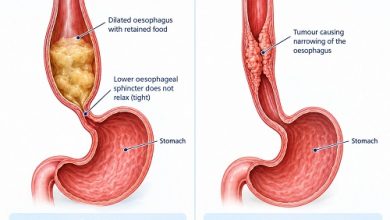
In people with achalasia, these normal processes become impaired. The oesophageal muscles may fail to contract effectively, and the lower oesophageal sphincter may remain too tight. As a result, food and liquids can collect inside the oesophagus rather than moving smoothly into the stomach.
The exact cause of achalasia is not fully understood. Damage to nerve cells involved in controlling oesophageal movement plays an important role. The condition can develop gradually and affect people of different ages.
Common Symptoms of Achalasia
Symptoms may develop slowly and become more noticeable over time. Common signs include:
- Difficulty swallowing solid foods and liquids.
- A sensation that food is stuck in the chest or throat.
- Regurgitation of undigested food or liquid.
- Chest discomfort or pressure.
- Coughing, particularly at night.
- Unintentional weight loss.
- Sleep disturbances caused by regurgitation.
Swallowing difficulty is a key symptom of achalasia. Unlike typical GERD, which often causes burning discomfort after meals, achalasia frequently makes it difficult for both solid foods and liquids to pass through the oesophagus.
Some people experience symptoms that resemble acid reflux because retained food and fluid can move back towards the mouth. However, this regurgitation does not necessarily mean that stomach acid is the main cause.
What Is GERD?
Gastroesophageal reflux disease, commonly known as GERD, occurs when stomach contents repeatedly flow backwards into the oesophagus and cause troublesome symptoms or complications.
The lower oesophageal sphincter normally acts as a valve between the oesophagus and stomach. It opens during swallowing and helps prevent stomach contents from moving backwards. When this barrier becomes weak or relaxes inappropriately, stomach acid and other stomach contents can enter the oesophagus.
Repeated exposure to stomach contents can irritate the oesophageal lining. In some people, GERD may cause inflammation known as oesophagitis.
GERD is associated with several factors, including a weakened lower oesophageal sphincter, a hiatus hernia, excess body weight, pregnancy, and certain dietary or lifestyle triggers. Not everyone with reflux experiences the same symptoms.
Common Symptoms of GERD
The most recognisable GERD symptoms include:
- Heartburn, often described as a burning feeling behind the breastbone.
- Acid reflux or sour-tasting fluid moving into the mouth.
- Regurgitation of stomach contents.
- Chest discomfort, particularly after eating.
- Symptoms that worsen when lying down or bending over.
- Chronic cough or throat irritation in some people.
- Difficulty swallowing in people with certain complications.
Heartburn and acid reflux are closely associated with GERD, although they are not exactly the same thing. Acid reflux describes the backward movement of stomach contents, while heartburn is the burning sensation that may result.
GERD symptoms can occur after large meals, during the night, or when lying down soon after eating. Persistent symptoms deserve medical assessment because other conditions can produce similar discomfort.
Achalasia vs GERD: Key Differences
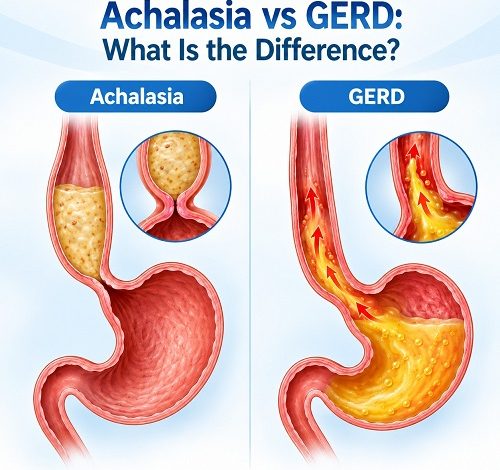
The main difference between achalasia and GERD is the problem affecting the oesophagus. Achalasia prevents normal movement of food into the stomach, while GERD involves the backward flow of stomach contents into the oesophagus.
1. Causes
Achalasia is associated with impaired nerve signalling and abnormal oesophageal muscle function. The lower oesophageal sphincter does not relax properly, and the oesophagus cannot move food effectively.
GERD occurs when the protective barrier between the stomach and oesophagus fails to prevent repeated reflux. A weak sphincter, a hiatus hernia, and other contributing factors can increase the likelihood of reflux.
2. Swallowing Difficulty
Swallowing difficulty is particularly characteristic of achalasia. People may struggle with both liquids and solid foods, and swallowing problems often become more persistent as the condition progresses.
GERD can also cause swallowing problems, especially when ongoing inflammation, narrowing of the oesophagus, or other complications develop. However, difficulty swallowing should never automatically be attributed to reflux.
3. Heartburn and Acid Reflux
GERD commonly causes burning chest discomfort and the sensation of acidic fluid rising into the throat or mouth.
Achalasia can also cause chest discomfort and regurgitation. However, the material coming back up may consist of retained food and saliva rather than predominantly acidic stomach contents. Some people with achalasia also develop symptoms that resemble heartburn, making clinical evaluation important.
4. Regurgitation
Regurgitation can occur with either condition, but its mechanism differs.
In GERD, stomach contents move backwards through the lower oesophageal sphincter. The fluid may taste sour or bitter because of its contents.
In achalasia, food and saliva may accumulate in the oesophagus and later return to the mouth. This can occur several hours after eating or while lying down.
5. Typical Treatment
Achalasia treatment focuses on helping food pass into the stomach by reducing resistance at the lower oesophageal sphincter. Options may include pneumatic dilation, laparoscopic Heller myotomy, peroral endoscopic myotomy (POEM), and selected medication or injection treatments.
GERD treatment usually aims to reduce reflux and protect the oesophageal lining. Management may include lifestyle changes, acid-suppressing medicines, and, in selected cases, anti-reflux surgery or endoscopic procedures.
Treatments for these two esophageal disorders are not interchangeable. Correct diagnosis is essential before choosing a treatment plan.
Comparison Table: Achalasia vs GERD
| Feature | Achalasia | GERD |
| Main problem | Impaired oesophageal movement and sphincter relaxation | Repeated reflux of stomach contents |
| Common symptom | Difficulty swallowing solids and liquids | Heartburn and acid reflux |
| Regurgitation | Retained food, saliva, and liquids | Stomach contents, sometimes acidic |
| Chest discomfort | May occur | May occur |
| Weight loss | Can occur due to difficulty eating | Less typical; unexplained weight loss requires assessment |
| Diagnostic tests | Oesophageal manometry, endoscopy, timed barium oesophagram | Clinical assessment, endoscopy, reflux monitoring when needed |
| Main treatment goal | Improve passage of food into the stomach | Control reflux and prevent complications |
Although this comparison highlights common patterns, symptoms can overlap. A healthcare professional must consider the full clinical picture rather than relying on one symptom alone.
Can Achalasia Be Mistaken for GERD?
Yes. Achalasia can sometimes be mistaken for GERD because both conditions may cause chest discomfort, regurgitation, and symptoms that patients describe as heartburn.
One reason for confusion is that food and fluid trapped in the oesophagus can return to the mouth, particularly when a person lies down. This can feel similar to acid reflux. Some people with achalasia initially receive reflux treatment before further testing identifies the underlying motility problem.
However, persistent swallowing difficulty, regurgitation of undigested food, and unexplained weight loss may raise suspicion of achalasia or another oesophageal condition.
If symptoms continue despite appropriate GERD treatment, a doctor may recommend additional investigations. This does not automatically mean that the original diagnosis was wrong, but it may indicate a need to investigate other causes.
Do not stop prescribed medication or begin a new treatment without discussing it with your healthcare professional.
How Are Achalasia and GERD Diagnosed?
Accurate diagnosis helps distinguish between these two conditions and guides suitable treatment. Doctors may review the patient’s medical history, ask about symptom patterns, and perform one or more diagnostic tests.
Diagnosing Achalasia
Oesophageal manometry: This test measures pressure and muscle contractions in the oesophagus during swallowing. High-resolution manometry is the principal test used to confirm achalasia and identify its type.
Upper gastrointestinal endoscopy: A flexible camera allows a doctor to examine the oesophagus and stomach. Endoscopy can identify retained food, inflammation, narrowing, or other abnormalities and help exclude conditions that may resemble achalasia.
Timed barium oesophagram: During this examination, the patient swallows a contrast liquid while X-ray images track its movement through the oesophagus. Delayed emptying and characteristic changes in the lower oesophagus can support the diagnosis.
A doctor may recommend additional investigations depending on the patient’s age, symptoms, and test results.
Diagnosing GERD
GERD is often diagnosed based on typical symptoms and medical history. If symptoms persist, the diagnosis is uncertain, or Achalasia complications are suspected, further testing may be appropriate.
Upper endoscopy: This examination can identify oesophagitis, narrowing, and other damage to the oesophageal lining. A normal endoscopy does not always exclude GERD.
Ambulatory reflux monitoring: This test measures reflux episodes over a period of time and can help establish whether symptoms are associated with acid or other reflux events.
Oesophageal manometry: Manometry is not a routine test for diagnosing GERD alone, but it may help investigate swallowing difficulties or assess oesophageal function before certain procedures.
The appropriate tests depend on the individual case. People with persistent swallowing difficulty should receive medical assessment rather than assuming that their symptoms are caused by uncomplicated reflux.
Treatment Options for Achalasia
Achalasia generally requires treatment directed at the lower oesophageal sphincter because medicines that simply reduce stomach acid do not correct the underlying problem.
Pneumatic Dilation
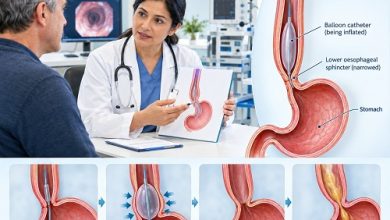
Pneumatic dilation uses a specialised balloon to stretch the lower oesophageal sphincter and improve the passage of food. It can relieve symptoms in many patients, although repeat treatment may be necessary. The procedure carries a risk of oesophageal perforation.
Laparoscopic Heller Myotomy
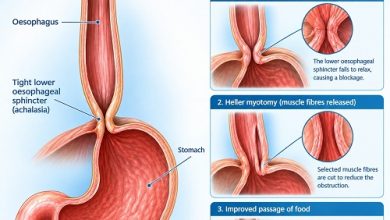
This operation cuts selected muscle fibres in the lower oesophageal sphincter to reduce resistance during swallowing. It is often combined with a partial fundoplication to reduce the risk of postoperative reflux.
Peroral Endoscopic Myotomy (POEM)
POEM is an endoscopic procedure in which a specialist cuts selected muscle fibres through an endoscope passed through the mouth. It can be effective for achalasia, including certain types associated with abnormal oesophageal contractions. Reflux can occur after the procedure, so follow-up is important.
Other Treatment Approaches
Botulinum toxin injections may temporarily relax the lower oesophageal sphincter and may be considered for selected patients who are not suitable for more definitive procedures. Certain medicines may provide limited relief in specific circumstances, but they are generally less effective than established procedures.
Achalasia Treatment selection depends on achalasia type, general health, clinical findings, and specialist advice.
Treatment Options for GERD
GERD management aims to reduce troublesome reflux, improve symptoms, and prevent complications.
Lifestyle Changes
Some people find it helpful to eat smaller meals, avoid lying down for around three hours after eating, and raise the head of the bed when nighttime reflux occurs. If excess weight contributes to symptoms, weight management may also help.
Food triggers vary. Rather than following a highly restrictive diet, identify foods and drinks that consistently worsen your symptoms. Common triggers may include high-fat meals, chocolate, caffeine, alcohol, and spicy foods, but not everyone reacts to them.
Medication
Proton pump inhibitors (PPIs) reduce stomach acid production and are commonly used for troublesome GERD. Other medicines, including H2-receptor blockers and antacids, may help in selected situations. A clinician or pharmacist can advise on appropriate use, duration, and potential side effects.
These medicines can relieve acid-related symptoms, but they do not correct the impaired swallowing mechanism of achalasia.
Procedures and Surgery
For selected patients with confirmed GERD who do not respond adequately to appropriate medical management, or who have other suitable indications, anti-reflux procedures may be considered. Options can include fundoplication and certain endoscopic treatments.
The choice depends on objective evidence of reflux, symptom patterns, oesophageal function, and individual risks.
Diet and Daily Habits: What Should You Know?
Dietary approaches differ because achalasia and GERD affect digestion in different ways.
People with achalasia may find softer foods and liquids easier to swallow, but dietary adjustments do not remove the underlying obstruction to normal oesophageal emptying. Small, manageable bites and careful chewing may improve comfort. Persistent difficulty eating, dehydration, or weight loss warrants professional guidance, and a dietitian may help maintain adequate nutrition.
People with GERD may benefit from smaller meals, avoiding personal food triggers, and allowing time between eating and lying down. Nighttime symptoms may improve by elevating the head of the bed.
Neither condition should be managed through diet alone when symptoms are persistent or severe. Individual advice is especially important when swallowing problems limit food or fluid intake.
Are Natural Remedies Helpful for Achalasia or GERD?
People often explore natural remedies to manage digestive discomfort, but the evidence and limitations need careful consideration.
For GERD, some lifestyle measures, such as avoiding late meals, identifying personal triggers, and achieving a healthy weight when appropriate, have evidence supporting their use. These measures may complement medical treatment, although they do not work equally well for everyone.
For achalasia herbal supplement or natural remedy has been established as a cure or as a reliable way to restore normal oesophageal muscle function. Supplements cannot replace treatments that address the lower oesophageal sphincter.
Herbal products can also cause side effects or interact with medicines. If you use supplements, discuss the ingredients with a healthcare professional, particularly if you have ongoing swallowing problems or take prescription medication.
Do not delay diagnostic testing or established treatment in the hope that a natural product will resolve persistent symptoms.
When Should You Seek Medical Advice?
Consult a healthcare professional if you experience persistent heartburn, recurring regurgitation, or difficulty swallowing. New or progressive swallowing problems deserve prompt assessment, particularly when they affect both liquids and solid foods.
Seek urgent medical attention if food becomes stuck and you cannot swallow saliva, or if you experience severe chest pain, difficulty breathing, or signs of gastrointestinal bleeding. Chest pain can have causes unrelated to digestion, including heart problems, so it should not automatically be attributed to GERD.
Unexplained weight loss, repeated vomiting, dehydration, or symptoms that worsen over time also require medical evaluation.
Early assessment can help identify the cause of symptoms and reduce the risk of complications.
Conclusion
The main distinction in achalasia vs GERD is how the oesophagus handles food and stomach contents. Achalasia interferes with the movement of food into the stomach because the oesophageal muscles and lower sphincter do not function normally. GERD occurs when stomach contents repeatedly flow backwards into the oesophagus, often causing heartburn and acid reflux.
Both conditions can cause regurgitation and chest discomfort, but swallowing difficulty is a particularly important feature of achalasia. Diagnostic tests, including oesophageal manometry for suspected achalasia and reflux monitoring for selected GERD cases, help doctors determine the underlying problem.
Treatment must match the diagnosis. Achalasia often requires a procedure to improve oesophageal emptying, while GERD is commonly managed with lifestyle changes and acid-suppressing medicines, with procedures considered for selected patients.
If symptoms persist, worsen, or interfere with eating, seek professional medical advice rather than relying on self-diagnosis. Recognising the differences between these esophageal disorders is an important first step towards appropriate care.
Medical Disclaimer
This article is for educational purposes only and does not replace professional medical advice, diagnosis, or treatment. Consult a qualified healthcare professional about persistent digestive symptoms or swallowing difficulties. Seek urgent care for severe chest pain or an inability to swallow saliva.