
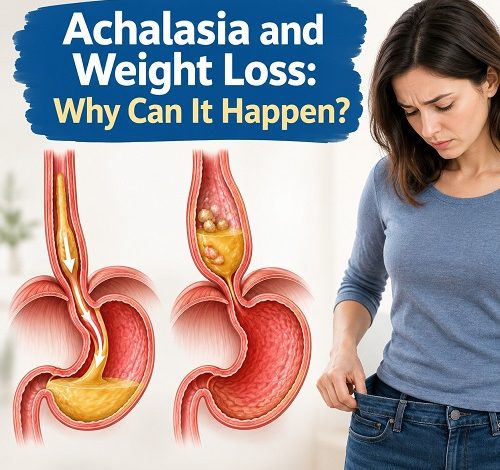
Unexplained weight loss can be concerning, especially when it happens alongside difficulty swallowing, regurgitation, or discomfort after meals. One possible cause is achalasia, a rare disorder that affects how the oesophagus moves food towards the stomach.
The connection between achalasia and weight loss often begins with problems swallowing food and liquids. When food cannot pass easily into the stomach, eating may become uncomfortable, meals may take longer, and getting enough calories and essential nutrients can become difficult. Over time, these challenges can lead to unintended weight loss and nutritional deficiencies.
Achalasia does not affect everyone in the same way. Some people experience mild swallowing problems, while others develop significant symptoms that interfere with daily activities and maintaining a healthy weight.
Understanding why achalasia causes weight loss can help you recognise potential warning signs, seek appropriate medical care, and make informed decisions about treatment and nutrition. Although dietary adjustments may help manage symptoms, treating the underlying swallowing problem is often necessary to improve food intake.
What Is Achalasia?
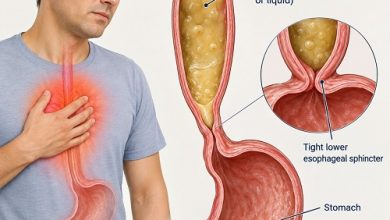
What Is Achalasia? Achalasia is an uncommon oesophageal motility disorder that affects the movement of food from the mouth to the stomach. The oesophagus is the muscular tube that carries swallowed food and liquids towards the stomach through coordinated muscular contractions called peristalsis.
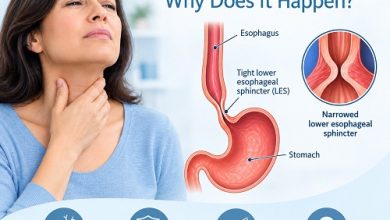
At the bottom of the oesophagus is a muscular ring known as the lower oesophageal sphincter (LES). This sphincter normally relaxes when you swallow, allowing food to enter the stomach, and then closes to help prevent stomach contents from flowing backwards.
In achalasia, the oesophagus loses some or all of its normal muscular contractions, and the lower oesophageal sphincter does not relax properly. As a result, food and liquids may remain in the oesophagus rather than passing smoothly into the stomach.
This can cause food to collect in the oesophagus, leading to swallowing difficulties, regurgitation, chest discomfort, and problems maintaining adequate food intake.
Achalasia is associated with impaired function of the nerves that control oesophageal movement. The exact cause is not fully understood, and the condition can develop in adults of different ages.
Although achalasia is a long-term condition, several treatments can improve the passage of food into the stomach and help relieve symptoms.
How Are Achalasia and Weight Loss Connected?
The relationship between achalasia and weight loss is mainly linked to impaired swallowing, reduced food intake, and the difficulty of maintaining adequate nutrition.
When swallowing becomes challenging, people may eat smaller portions, avoid certain foods, or skip meals because they expect discomfort. Even when someone feels hungry, the physical difficulty of moving food through the oesophagus can make eating a frustrating experience.
Several factors can contribute to weight loss.
1. Difficulty Swallowing Reduces Food Intake
One of the most common achalasia symptoms is dysphagia, which means difficulty swallowing.
People with achalasia may struggle to swallow solid foods, liquids, or both. Food can feel as though it becomes stuck in the chest or throat, even though the underlying problem occurs in the oesophagus.
This sensation can make every meal stressful. Instead of eating normal portions, someone may take tiny bites, chew excessively, drink water repeatedly between mouthfuls, or stop eating before feeling satisfied.
Over time, these changes can reduce total calorie intake.
For example, a person who previously ate three balanced meals a day might begin eating only small portions because larger meals cause discomfort. If this pattern continues, the body may receive less energy than it needs to maintain its usual weight.
Difficulty eating is therefore an important reason why achalasia and weight loss often occur together.
2. Food Remains Trapped in the Oesophagus
In a healthy digestive system, coordinated muscular contractions move food towards the stomach. The lower oesophageal sphincter then relaxes to allow food to pass through.
In achalasia, this process becomes impaired. Food and liquids may accumulate in the oesophagus, sometimes causing a sensation of fullness or pressure in the chest.
This can make eating uncomfortable, particularly when someone consumes a large meal or eats quickly.
Retained food may also come back into the mouth, especially when lying down or bending over. This experience can discourage people from eating enough, particularly in the evening.
The resulting reduction in food intake may contribute to gradual or significant weight loss.
3. Regurgitation Makes Eating Less Comfortable
Regurgitation is another common symptom of achalasia. It occurs when undigested food or liquid returns from the oesophagus into the mouth without the forceful contractions associated with vomiting.
Unlike ordinary acid reflux, achalasia-related regurgitation can involve food that has remained in the oesophagus for some time.
Regurgitation may happen after meals, during sleep, or when lying flat. It can also cause coughing, disturbed sleep, and concern about eating larger portions.
When meals repeatedly end with food coming back up, a person may begin avoiding particular foods or eating less overall.
Regurgitation does not automatically cause nutritional deficiencies, but frequent episodes can make it harder to maintain adequate food and fluid intake.
4. Chest Discomfort Can Discourage Eating
Achalasia can cause chest pain, pressure, or discomfort, sometimes during or after swallowing.
These sensations may result from abnormal oesophageal contractions, stretching of the oesophagus, or difficulty moving food through the lower oesophageal sphincter.
Some people describe the discomfort as a feeling of tightness behind the breastbone. Others experience symptoms that resemble heartburn.
When eating regularly triggers discomfort, meals may become something to avoid rather than enjoy. This can lead to smaller portions, slower eating, and reduced calorie consumption.
However, chest pain should not automatically be attributed to achalasia. New, severe, or persistent chest pain requires prompt medical assessment because heart and other serious conditions can cause similar symptoms.
5. Dietary Restrictions Can Lead to Nutritional Gaps
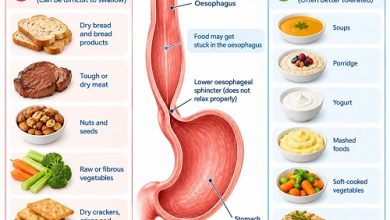
People with achalasia often change their eating habits to make swallowing easier. They may avoid bread, meat, raw vegetables, or other foods that feel difficult to swallow.
Although modifying food texture can sometimes improve comfort, eliminating many foods without suitable alternatives may reduce the variety of nutrients in the diet.
For instance, avoiding protein-rich foods may make it harder to obtain enough protein, while reducing overall food intake can lower the intake of vitamins, minerals, fats, and carbohydrates.
This is particularly important when symptoms persist for months before diagnosis or treatment.
Achalasia does not usually cause weight loss by directly preventing the intestines from absorbing nutrients. Instead, inadequate intake is often the main concern, although individual circumstances and other medical conditions can also affect nutritional status.
Common Achalasia Symptoms That May Accompany Weight Loss
Weight loss is not the only sign of achalasia. Recognising other symptoms can help you understand when swallowing problems may require medical investigation.
Common achalasia symptoms include:
- Difficulty swallowing: Food or liquids may feel as though they are stuck in the chest.
- Regurgitation: Undigested food or liquid may return to the mouth, particularly after meals or when lying down.
- Chest pain: Pressure, tightness, or discomfort may occur during or after eating.
- Heartburn: Some people experience burning sensations that resemble acid reflux.
- Night-time coughing: Retained food or liquid may return towards the throat during sleep.
- Prolonged meals: Eating may take much longer because you need smaller bites and frequent pauses.
- Reduced appetite: Persistent swallowing difficulties and uncomfortable meals may make eating less appealing.
- Unintentional weight loss: You may lose weight because you cannot comfortably eat enough food to meet your body’s energy requirements.
These symptoms can develop gradually and become more noticeable over time. Some people initially assume that they are eating too quickly or experiencing ordinary indigestion.
However, progressive difficulty swallowing, especially when accompanied by unexplained weight loss, warrants prompt medical assessment. Achalasia is one possible explanation, but other oesophageal conditions can cause similar symptoms.
Can Achalasia Cause Malnutrition?
Yes. Achalasia can contribute to malnutrition when swallowing difficulties prevent someone from consuming sufficient calories, protein, vitamins, minerals, and fluids.
Malnutrition occurs when the body does not receive or use enough nutrients to support normal health and function. In people with achalasia, the primary concern is often inadequate intake rather than an inability to absorb nutrients through the intestines.
The risk depends on symptom severity, how long the condition has been present, the person’s existing nutritional status, and whether treatment has improved swallowing.
Signs of Possible Nutritional Deficiencies
In addition to weight loss, inadequate nutrition may cause:
- Persistent tiredness or weakness.
- Reduced muscle strength and muscle mass.
- Feeling dizzy or light-headed.
- Difficulty maintaining normal daily activities.
- Poor recovery from illness.
- Signs of dehydration, such as dark urine or passing urine less frequently.
Some nutritional deficiencies may develop without obvious early symptoms. A healthcare professional can assess your weight history, dietary intake, physical condition, and whether blood tests are necessary.
If swallowing difficulties have significantly restricted your diet, a registered dietitian can help identify nutritional gaps and develop a suitable eating plan.
Important: Rapid or substantial weight loss should not automatically be attributed to achalasia. In particular, new or rapidly progressive symptoms require investigation for other possible causes, including structural abnormalities of the oesophagus.
How Is Achalasia Diagnosed?
If you have difficulty swallowing and unexplained weight loss, a doctor may recommend tests to determine whether achalasia is responsible.
Diagnosis usually involves assessing your symptoms, examining the oesophagus, and evaluating how effectively it moves food.
1. Upper Gastrointestinal Endoscopy
An upper gastrointestinal endoscopy allows a specialist to examine the oesophagus, stomach, and upper part of the small intestine using a flexible camera.
The procedure may reveal retained food or saliva, oesophageal widening, or a tight opening where the oesophagus meets the stomach.
Endoscopy is also important for identifying other causes of swallowing difficulties, such as narrowing or an obstructing lesion.
2. Barium Swallow Test
A barium swallow, also called an oesophagram, uses X-ray imaging to show how liquid moves through the oesophagus.
You swallow a contrast liquid while images are taken. If you have achalasia, the test may show delayed emptying, retained barium, and a narrowed lower oesophageal opening above a widened oesophagus.
A tapered appearance at the lower end of the oesophagus is sometimes described as a bird’s beak.
3. High-Resolution Oesophageal Manometry
High-resolution manometry measures pressure and muscular activity inside the oesophagus during swallowing.
It helps determine whether the oesophagus produces normal contractions and whether the lower oesophageal sphincter relaxes properly.
This is the principal test used to confirm achalasia and identify its specific subtype. The results help specialists select an appropriate treatment approach.
How Can You Manage Nutrition With Achalasia?
Improving nutrition is an important part of managing achalasia and weight loss. Dietary changes can make eating more manageable while you arrange medical assessment or undergo treatment.
However, food adjustments cannot correct the underlying muscle dysfunction. Use them as supportive measures rather than a replacement for treatment.
1. Eat Smaller, More Frequent Meals
Large meals may increase the sensation of fullness or pressure when food remains in the oesophagus.
Try eating smaller portions more frequently throughout the day, provided you can swallow safely. This approach may make it easier to consume sufficient calories without having to finish large meals at once.
For example, you might divide your daily intake into three smaller meals and two or three nourishing snacks.
Adjust the portions and frequency to your tolerance, and seek professional guidance if even small meals are difficult to swallow.
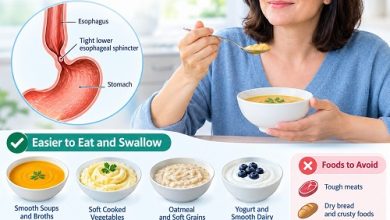
2. Choose Soft, Moist Foods That You Can Swallow Comfortably
Some people find soft, moist foods easier to manage than dry, tough, or crumbly foods.
Depending on your individual swallowing difficulties, suitable options may include:
- Smooth porridge.
- Mashed potatoes with added milk or suitable alternatives.
- Soft scrambled eggs.
- Smooth soups enriched with protein.
- Well-cooked, mashed vegetables.
- Soft, moist fish.
- Smooth yoghurt, where tolerated.
- Blended meals with a suitable consistency.
You do not necessarily need to eliminate solid foods if you can swallow them safely. The aim is to identify a consistency that you can manage comfortably and that meets your nutritional needs.
If food repeatedly becomes stuck or you struggle to swallow liquids, do not rely on changing food texture alone. Ask a healthcare professional for advice.
3. Include Protein-Rich Foods
Protein helps maintain muscle mass, supports tissue repair, and contributes to normal body function.
When weight loss occurs alongside reduced food intake, including suitable protein sources can help improve the nutritional value of meals.
Depending on your swallowing ability, consider eggs, smooth yoghurt, soft fish, tender minced meat prepared with sufficient moisture, or smooth pulses such as lentil purée.
You can also enrich suitable meals with milk powder, smooth nut butter, or other calorie- and protein-rich ingredients, provided you can tolerate their consistency and have no relevant allergies.
If you cannot obtain enough protein from ordinary meals, a dietitian may recommend an appropriate oral nutritional supplement.
4. Increase Calories Without Making Portions Too Large
When appetite is limited or eating takes considerable effort, adding energy to foods you already tolerate may help.
For example, you could add olive oil, suitable dairy products, or smooth nut butter to appropriate meals. Choose additions based on your dietary needs and ability to swallow them safely.
Nutrient-dense foods can help increase calorie intake without requiring much larger portions.
However, high-fat foods may aggravate reflux-like symptoms in some people. Adjust your choices according to your symptoms and seek individualised advice if you are struggling to maintain your weight.
5. Pay Attention to Fluid Intake
Dehydration may occur when drinking becomes difficult or uncomfortable.
Sip fluids regularly if you can swallow them safely. Some people find certain temperatures or consistencies easier to manage than others.
Do not force fluids if they repeatedly become stuck, cause coughing, or trigger choking. These symptoms need prompt medical assessment, and a clinician may recommend a swallowing evaluation.
A dietitian can also help you monitor fluid intake and identify ways to meet your hydration needs safely.
6. Keep a Food and Weight Diary
Recording what you eat and how you feel after meals can help you recognise patterns.
Include information such as:
- Foods and drinks that are easy or difficult to swallow.
- The approximate amount you eat at each meal.
- Episodes of regurgitation, chest discomfort, or coughing.
- Changes in your body weight.
- Symptoms that interfere with drinking or eating.
Share this information with your doctor or dietitian. It can help them understand how achalasia affects your daily life and whether your current diet provides enough energy and nutrients.
Treatment Options for Achalasia
Achalasia is a rare oesophageal disorder that makes swallowing difficult because the lower oesophageal sphincter does not relax properly. This can cause food to remain in the oesophagus, leading to regurgitation, chest discomfort and weight loss. Understanding the available treatment options can help manage symptoms and improve quality of life.
Medical Treatments for Achalasia
Treatment aims to relax the lower oesophageal sphincter and help food pass into the stomach. Common options include pneumatic balloon dilatation, Heller myotomy and peroral endoscopic myotomy (POEM). These procedures reduce resistance at the lower oesophageal sphincter and can improve swallowing. Botulinum toxin injections may provide temporary relief for people who cannot undergo more definitive treatments.
Natural Remedies for Achalasia
Natural Remedies for Achalasia may help support comfort and nutrition, but they cannot cure the underlying muscle dysfunction. Eating smaller, more frequent meals, choosing soft foods, chewing thoroughly and remaining upright after meals may help some people manage symptoms. Drinking adequate fluids, when swallowing is safe, and choosing nutrient-rich foods can also support overall health.
Avoid foods that consistently cause swallowing difficulties, and consult a healthcare professional before making major dietary changes. A registered dietitian can help prevent nutritional deficiencies and unintended weight loss.
What Treatments Can Help Prevent Weight Loss From Achalasia?
Dietary changes can support nutrition, but treating achalasia itself is often necessary to improve swallowing and help restore a healthy eating pattern.
Achalasia Treatment aims to reduce resistance at the lower oesophageal sphincter so that food can pass more easily into the stomach.
The most appropriate option depends on the type of achalasia, symptom severity, overall health, and individual preferences.
Pneumatic Balloon Dilatation
Pneumatic dilatation uses an endoscopic balloon to stretch and disrupt some of the muscle fibres in the lower oesophageal sphincter.
This can reduce resistance to food passing into the stomach and improve swallowing. Some people need additional treatment if symptoms return.
Heller Myotomy
Heller myotomy is a surgical procedure in which a specialist cuts selected muscle fibres around the lower oesophageal sphincter.
The procedure reduces the pressure that prevents food from entering the stomach. Surgeons commonly combine it with a partial fundoplication to help reduce post-treatment acid reflux.
Peroral Endoscopic Myotomy (POEM)
POEM is a minimally invasive endoscopic procedure. A specialist creates a tunnel within the oesophageal wall and cuts selected muscle fibres to help the lower oesophageal sphincter relax.
It can improve swallowing in suitable patients. However, acid reflux is an important potential complication, so follow-up is necessary.
Botulinum Toxin Injections
Botulinum toxin injections temporarily relax the lower oesophageal sphincter.
Doctors may consider this option for people who cannot undergo more definitive procedures. The effects are often temporary, and repeat treatment may be necessary.
These treatments address the swallowing problem rather than directly treating weight loss. As swallowing improves, some people find it easier to eat more comfortably and regain lost weight. Nutritional recovery varies, and follow-up may include monitoring body weight, dietary intake, and symptoms.
Treatment choices should be discussed with a gastroenterologist who has experience managing achalasia.
When Should You Seek Medical Help?
Arrange a medical appointment if you experience persistent difficulty swallowing, recurrent regurgitation, or unexplained weight loss. Seek prompt assessment if swallowing problems are worsening or you are finding it increasingly difficult to eat enough.
Certain symptoms require urgent care:
- Food becomes completely stuck: Seek emergency medical attention if you cannot swallow your saliva or have difficulty breathing.
- Possible dehydration: Obtain prompt medical advice if you cannot drink enough, pass very little urine, or feel faint.
- Rapid, unexplained weight loss: Arrange urgent medical assessment, particularly if swallowing symptoms are new or progressing quickly.
- Chest pain: Call your local emergency service for new or severe chest pain, especially when accompanied by breathlessness, sweating, or faintness.
Early assessment can help identify the cause of your symptoms and reduce the risk of complications associated with inadequate food and fluid intake.
Frequently Asked Questions
1. Does everyone with achalasia lose weight?
No. Although weight loss is a recognised feature of achalasia, not everyone experiences it. Some people maintain their weight by adapting their eating habits, while others develop significant weight loss because swallowing becomes increasingly difficult.
2. Can achalasia cause sudden weight loss?
Achalasia can contribute to substantial weight loss, particularly when food intake declines. However, rapid or unexplained weight loss should prompt investigation for other causes, including conditions that can mimic achalasia. Do not assume that achalasia explains a sudden change in body weight.
3. Can you gain weight again after achalasia treatment?
Yes, some people regain weight after treatment improves swallowing and allows them to eat more comfortably. Recovery depends on the severity of previous weight loss, nutritional status, treatment response, and any other medical conditions.
A dietitian can help you increase calorie and protein intake gradually and monitor your progress.
4. What foods should you avoid with achalasia?
There is no single list of foods that everyone with achalasia must avoid. Dry bread, tough meat, and other difficult-to-swallow foods may cause problems for some people, while others tolerate them differently.
Choose foods according to your swallowing ability and seek professional advice if you need to restrict your diet substantially.
5. Can achalasia cause vitamin deficiencies?
Yes. If achalasia prevents you from eating a varied, balanced diet, you may develop deficiencies in certain vitamins or minerals. The risk depends on your food intake and overall health.
A healthcare professional can assess your nutritional status and recommend testing or supplementation when appropriate.
6. Can dietary changes cure achalasia?
No. Dietary adjustments may help you manage symptoms and maintain nutrition, but they do not restore normal oesophageal muscle function or reliably correct the problem with the lower oesophageal sphincter. Medical assessment and appropriate treatment remain important.
Conclusion
The link between achalasia and weight loss is largely explained by difficulty swallowing, food retention in the oesophagus, regurgitation, and reduced calorie intake. When these problems persist, they can affect nutritional status, reduce muscle mass, and make it harder to maintain a healthy weight.
Understanding achalasia symptoms can help you recognise when swallowing difficulties need medical attention. Eating smaller meals, choosing suitable food textures, including protein-rich ingredients, and monitoring weight may support nutrition while you receive care.
However, dietary changes alone cannot correct the underlying oesophageal dysfunction. If you experience progressive difficulty swallowing or unexplained weight loss, consult a healthcare professional for an appropriate assessment.
With an accurate diagnosis, suitable treatment, and individualised nutritional support, many people with achalasia can improve their swallowing, maintain a more balanced diet, and work towards a healthier weight.
Medical Disclaimer
This article is intended for informational and educational purposes only and should not be considered a substitute for professional medical advice, diagnosis, or treatment. Although achalasia and weight loss can be closely related, symptoms and nutritional needs may vary from person to person. Always consult a qualified healthcare professional for an accurate diagnosis and personalised treatment recommendations. Do not ignore, delay, or discontinue medical care based on information provided in this article. If you experience persistent difficulty swallowing, unexplained or rapid weight loss, or an inability to swallow food or liquids, seek medical attention promptly. For severe chest pain or breathing difficulties, seek emergency medical care.