
Achalasia is a rare disorder that affects the esophagus, the muscular tube that carries food and liquids from the mouth to the stomach. People with this condition may experience difficulty swallowing, regurgitation, chest discomfort, and unexplained weight loss. Because symptoms can develop gradually, some patients may not realize that they have a condition requiring medical attention.
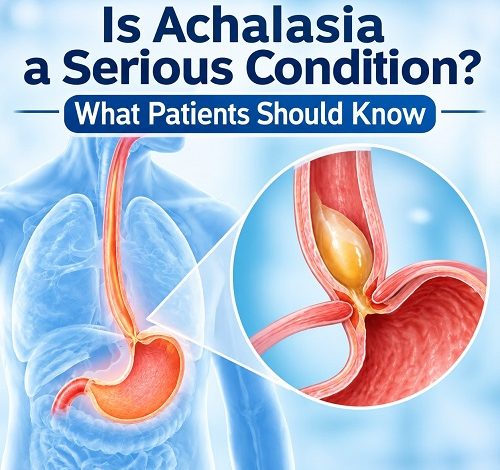
So, is achalasia serious? Yes, achalasia can become a serious health condition if it is left untreated. Over time, swallowing difficulties may worsen, food can accumulate in the esophagus, and complications such as malnutrition and aspiration pneumonia can develop. However, effective treatments are available to improve swallowing, relieve symptoms, and help patients maintain a good quality of life. Achalasia symptoms, potential complications, available treatments, and long-term prognosis can help patients make informed decisions about their health.
What Is Achalasia?
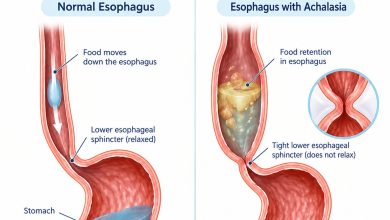
What Is Achalasia? Achalasia is an esophageal motility disorder that affects the normal movement of food through the digestive system. Under normal circumstances, the muscles of the esophagus contract in a coordinated manner to push food toward the stomach. At the same time, a muscular ring called the lower esophageal sphincter relaxes to allow food to pass through.
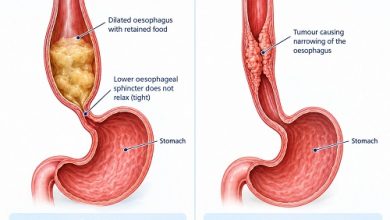
In people with achalasia, the esophagus loses its normal coordinated contractions, and the lower esophageal sphincter does not relax properly during swallowing. As a result, food and liquids may remain in the esophagus instead of moving easily into the stomach.
The exact cause of achalasia is not fully understood. It is associated with damage to the nerve cells responsible for controlling esophageal muscle movements.
Achalasia is a chronic condition, meaning it generally requires long-term management. Although there is no treatment that reliably restores normal esophageal nerve function, medical procedures can reduce resistance at the lower esophageal sphincter and significantly improve symptoms.
Is Achalasia Serious?
The seriousness of achalasia depends on the severity of symptoms, how long the condition has been present, and whether appropriate treatment is received.
In its early stages, achalasia may cause occasional swallowing difficulties or mild chest discomfort. These symptoms can seem manageable, leading some people to delay seeking medical advice. However, the condition can progress over time, making it increasingly difficult to eat and drink normally.
Untreated achalasia can become serious because it may lead to:
- Progressive difficulty swallowing solid foods and liquids.
- Unintentional weight loss and nutritional deficiencies.
- Dehydration caused by inadequate fluid intake.
- Regurgitation of retained food and saliva.
- Aspiration pneumonia when food or liquid enters the lungs.
- Significant enlargement and dysfunction of the esophagus in advanced cases.
These complications do not occur in every patient. Many people respond well to treatment and can maintain an active lifestyle with appropriate follow-up care.
The important point is that achalasia should not be ignored, even when symptoms initially appear mild. Early diagnosis and individualized treatment can help reduce the risk of serious complications.
Common Symptoms of Achalasia
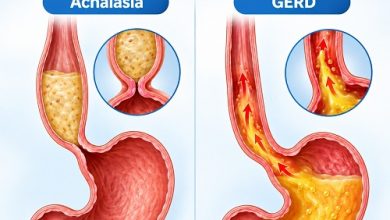
Achalasia symptoms often develop gradually and may become more noticeable over months or years. Because some symptoms resemble gastroesophageal reflux disease (GERD), the condition may initially be mistaken for acid reflux.
Common symptoms include:
1. Difficulty swallowing
Difficulty swallowing, medically known as dysphagia, is one of the most characteristic symptoms. Patients may feel that food becomes stuck in the chest or takes longer than usual to reach the stomach. Both solid foods and liquids can become difficult to swallow.
2. Regurgitation of food
Food and saliva may collect in the esophagus and return to the mouth without the forceful contractions associated with vomiting. Regurgitation can occur after meals or when lying down.
3. Chest pain or discomfort
Some people experience chest tightness, pressure, or pain, particularly while eating. The discomfort may result from abnormal esophageal muscle activity or stretching of the esophagus.
4. Heartburn
Patients may report burning sensations in the chest. However, symptoms attributed to heartburn can sometimes result from retained food and fermentation within the esophagus rather than typical acid reflux.
5. Weight loss
When swallowing becomes uncomfortable or difficult, patients may eat less than they need. This can lead to gradual, unintentional weight loss.
6. Nighttime coughing or choking
Food and saliva retained in the esophagus can flow backward when a person lies down. This may trigger coughing, choking, disturbed sleep, or breathing problems.
Persistent or worsening symptoms should be assessed by a healthcare professional, particularly when swallowing difficulties or unexplained weight loss are present.
What Are the Main Achalasia Complications?
Understanding achalasia complications is important because the condition can affect more than the ability to swallow. If food cannot pass efficiently into the stomach, several health problems may develop.
1. Malnutrition and dehydration
Difficulty swallowing may prevent patients from consuming enough calories, protein, vitamins, and fluids. Over time, this can lead to malnutrition, weakness, fatigue, and dehydration.
Severe nutritional deficiencies may affect overall health and make recovery from other illnesses more difficult. Patients experiencing persistent weight loss should seek medical assessment rather than attempting to manage the problem through dietary changes alone.
2. Aspiration pneumonia
Aspiration occurs when food, saliva, or other material enters the airways instead of passing into the digestive system. In achalasia, retained material can flow backward and enter the lungs, particularly during sleep.
This may cause aspiration pneumonia, a lung infection that can be serious and sometimes requires hospital treatment.
A persistent cough, fever, shortness of breath, or chest symptoms following suspected aspiration warrant prompt medical attention.
3. Esophageal dilation and damage
When food repeatedly remains in the esophagus, the organ may gradually become enlarged. In advanced cases, the esophagus can become markedly dilated and less effective at moving food.
Severe, longstanding disease may be more difficult to manage and can occasionally require more extensive surgical treatment.
This is one reason timely diagnosis and appropriate management are important.
4. Increased risk of esophageal cancer
Research has found an increased risk of esophageal cancer among people with longstanding achalasia compared with the general population. However, cancer remains an uncommon outcome, and most people with achalasia do not develop it.
The precise risk depends on individual circumstances and disease history. Patients should discuss their long-term follow-up needs with their gastroenterologist, especially if symptoms change or become progressively worse.
New or rapidly worsening swallowing difficulties, unexplained weight loss, or bleeding should never automatically be attributed to existing achalasia. These symptoms require medical evaluation.
How Is Achalasia Diagnosed?
Accurate diagnosis is essential because achalasia can resemble other digestive disorders, including GERD and certain conditions that physically obstruct the esophagus.
A gastroenterologist may recommend several tests to determine whether achalasia is present and assess its severity.
Esophageal manometry: This test measures pressure and muscle contractions within the esophagus during swallowing. High-resolution esophageal manometry is particularly useful for confirming achalasia and identifying its subtype.
Barium swallow study: During this imaging test, patients drink a contrast liquid while X-rays are taken. The images can reveal delayed emptying, narrowing at the lower esophageal sphincter, and enlargement of the esophagus.
Upper endoscopy: A thin, flexible tube with a camera is passed through the mouth to examine the esophagus and stomach. Endoscopy helps identify retained food, inflammation, or an obstruction that could explain the symptoms.
In some cases, a specialist may use additional testing, such as a functional lumen imaging probe (FLIP), to evaluate how the esophagus and lower esophageal sphincter open.
The choice of tests depends on the patient’s symptoms and medical history.
What Are the Available Achalasia Treatment Options?
The main goal of achalasia treatment is to help food and liquids pass more easily into the stomach. Treatment generally focuses on reducing the resistance created by the lower esophageal sphincter.
The most suitable approach depends on the patient’s age, overall health, achalasia subtype, symptom severity, and previous treatments.
1. Pneumatic dilation
Pneumatic dilation is an endoscopic procedure that uses a specialized balloon to stretch the lower esophageal sphincter.
The procedure can improve swallowing and relieve symptoms, although some patients require repeat dilation. There is also a risk of esophageal perforation, so it should be performed by an experienced team with appropriate facilities.
2. Peroral endoscopic myotomy (POEM)
POEM is a minimally invasive procedure performed through the mouth using an endoscope. The specialist cuts selected muscle fibers in the esophagus and lower esophageal sphincter to reduce resistance and improve the passage of food.
POEM can be particularly useful for certain achalasia subtypes and is an established treatment option.
However, acid reflux can occur after the procedure. Patients may need follow-up assessments and treatment for reflux symptoms.
3. Heller myotomy
Heller myotomy is a surgical procedure in which the surgeon cuts muscle fibers at the lower esophageal sphincter to help food enter the stomach.
It is commonly performed using minimally invasive surgical techniques. A partial fundoplication, which involves wrapping part of the stomach around the lower esophagus, may be added to reduce postoperative reflux.
Both POEM and Heller myotomy can provide substantial symptom relief, but the choice depends on individual clinical circumstances and specialist recommendations.
4. Botox injections
Botulinum toxin, commonly known as Botox, can be injected into the lower esophageal sphincter during endoscopy. The injection temporarily relaxes the muscle and may improve swallowing.
The benefits generally wear off over time, so repeat injections may be necessary. This approach is often considered for patients who are not suitable candidates for more definitive procedures.
5. Medications
Certain medications can temporarily relax the lower esophageal sphincter. However, they generally have limited effectiveness and may cause side effects.
Medication is usually reserved for selected patients who cannot undergo other treatments or when other options are unsuitable.
No single treatment is right for everyone. A gastroenterologist can help determine the most appropriate approach after confirming the diagnosis.
Natural Remedies for Achalasia
Achalasia is a rare esophageal disorder that makes swallowing difficult because the esophagus cannot move food normally into the stomach, and the lower esophageal sphincter does not relax properly. Although many people search for a Natural Cure for Achalasia, it is important to understand that no natural remedy has been proven to cure this condition.
Natural Ways to Manage Achalasia Symptoms
Certain lifestyle changes may help reduce discomfort and make eating easier:
- Eat smaller meals: Eating small, frequent meals instead of large portions may help manage swallowing difficulties.
- Chew food thoroughly: Take small bites, chew slowly, and avoid rushing while eating.
- Stay upright after meals: Remaining upright after eating may help reduce regurgitation. Ask your healthcare professional about safe sleeping-position adjustments if symptoms occur at night.
- Maintain proper hydration: Drink sufficient fluids if you can swallow safely. Seek medical advice if swallowing liquids becomes difficult.
- Choose suitable foods: Soft, moist foods may be easier to swallow. A dietitian can help ensure adequate nutrition.
Can Natural Remedies Cure Achalasia?
Currently, there is no established natural cure for achalasia. Lifestyle measures may help manage symptoms, but they cannot correct the underlying muscle dysfunction. Medical treatments, including pneumatic dilation, POEM, and Heller myotomy, can improve swallowing.
If you experience persistent swallowing difficulties, unexplained weight loss, or frequent regurgitation, consult a gastroenterologist. Early diagnosis and appropriate treatment can help prevent complications and improve quality of life.
What Is the Long-Term Prognosis for Achalasia?
The prognosis for achalasia is generally favorable when the condition is diagnosed and managed appropriately.
Many patients experience substantial improvements in swallowing, eating, and daily functioning following treatment. They may be able to maintain a healthy weight and participate in normal activities with fewer symptoms.
However, treatment does not necessarily restore normal esophageal muscle function. Some patients continue to experience symptoms or develop recurrent swallowing difficulties over time.
Long-term outcomes depend on several factors, including:
- The severity and duration of the condition.
- The type of achalasia diagnosed.
- The treatment selected and the patient’s response.
- Whether complications were present before treatment.
- Access to specialist care and ongoing monitoring.
Achalasia is usually a chronic condition, so patients should understand that symptom control and long-term management may be necessary even after a successful procedure.
Follow-up appointments allow healthcare professionals to assess swallowing, investigate recurrent symptoms, monitor for reflux, and determine whether further treatment is needed.
Although achalasia can cause serious complications, it does not automatically mean a shortened life expectancy. With effective treatment and appropriate medical care, many patients can enjoy a good quality of life.
Can You Manage Achalasia Naturally?
Lifestyle adjustments can help some patients manage symptoms, but they cannot correct the underlying muscle dysfunction.
Helpful strategies may include:
- Eating smaller meals more frequently.
- Chewing food thoroughly and taking small bites.
- Eating slowly and avoiding rushing through meals.
- Drinking suitable fluids with meals if swallowing liquids is safe.
- Remaining upright after eating.
- Avoiding meals immediately before bedtime.
- Discussing nutritional concerns with a qualified healthcare professional.
Patients who experience nighttime regurgitation may benefit from discussing safe sleeping-position adjustments with their clinician.
These measures are supportive rather than curative. They should not replace specialist evaluation or recommended procedures, especially when swallowing difficulties are progressing.
If eating and drinking become increasingly difficult, medical attention is important to prevent dehydration and malnutrition.
When Should You See a Doctor?
You should arrange a medical assessment if you regularly experience difficulty swallowing, food sticking in your chest, unexplained regurgitation, persistent chest discomfort during meals, or unintentional weight loss.
Seek urgent medical care if you cannot swallow liquids or your own saliva, have difficulty breathing, experience severe or persistent chest pain, or show signs of significant dehydration.
Sudden severe chest pain should not automatically be attributed to achalasia because heart and other emergencies may cause similar symptoms.
A prompt assessment can help identify the cause of symptoms and ensure that appropriate treatment is started.
Frequently Asked Questions
Is achalasia a life-threatening condition?
Achalasia can become life-threatening in severe cases if complications such as profound malnutrition, dehydration, or aspiration pneumonia develop. However, these outcomes are not inevitable. Timely diagnosis and appropriate treatment can substantially reduce the risks.
Can achalasia go away on its own?
Achalasia generally does not resolve spontaneously because the underlying nerve and muscle dysfunction persists. Treatments can improve the opening of the lower esophageal sphincter and relieve symptoms, but long-term follow-up may still be needed.
Can people with achalasia live a normal life?
Many people can lead active, fulfilling lives after treatment. Maintaining adequate nutrition, following medical advice, and attending follow-up appointments can help support long-term well-being.
Does achalasia always require surgery?
No. Depending on the patient’s circumstances, treatment may involve pneumatic dilation, POEM, Heller myotomy, Botox injections, or, in selected cases, medication. A specialist can explain the benefits and risks of each option.
Can achalasia return after treatment?
Yes. Symptoms can persist or recur after treatment, and some patients need additional procedures. New or worsening symptoms should be reviewed by a healthcare professional rather than assumed to be a normal part of recovery.
Final Thoughts
So, is achalasia serious? It can be, particularly when diagnosis and treatment are delayed. The condition can interfere with swallowing, reduce nutritional intake, and increase the risk of complications such as aspiration pneumonia.
However, achalasia is manageable for many patients. Modern treatment options, including pneumatic dilation, POEM, and Heller myotomy, can significantly improve swallowing and quality of life.
If you have persistent swallowing difficulties or unexplained weight loss, consult a qualified healthcare professional for an accurate diagnosis and an individualized treatment plan. Recognizing the symptoms early and maintaining appropriate follow-up care are important steps toward better long-term outcomes.
Medical disclaimer
This article is intended for general educational purposes only. It does not replace professional medical advice, diagnosis, or treatment. Always consult a qualified healthcare professional regarding individual symptoms and treatment decisions.