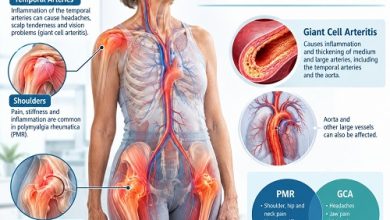


Polymyalgia rheumatica (PMR) is an inflammatory condition that commonly affects adults over 50. It typically causes pain and stiffness around the shoulders, neck and hips, and symptoms may be particularly noticeable in the morning or after periods of inactivity.
Although polymyalgia rheumatica does not usually cause permanent damage to the muscles themselves, leaving the condition untreated can significantly affect mobility, independence, sleep and quality of life. More importantly, PMR can occur alongside giant cell arteritis (GCA), a related inflammatory condition that can require urgent medical attention. Untreated Polymyalgia Rheumatica is therefore important. Persistent symptoms should not simply be accepted as a normal part of ageing. Proper medical assessment can help determine whether PMR is responsible for the symptoms and whether another condition or complication is present.
What Is Polymyalgia Rheumatica?
What Is Polymyalgia Rheumatica? Polymyalgia rheumatica is an inflammatory rheumatic disorder. It causes inflammation around joints and structures in areas such as the shoulders and hips. The exact cause is not fully understood, although age, genetics and immune-system factors may contribute.
People with PMR commonly experience:
- Pain and stiffness in both shoulders
- Hip or thigh discomfort
- Neck stiffness
- Morning stiffness
- Difficulty getting out of bed or a chair
- Reduced range of movement
- Polymyalgia Rheumatica Fatigue
- A general feeling of being unwell
- Reduced appetite in some people
- Low-grade fever in some cases
- Unintentional weight loss in some cases
The Polymyalgia Rheumatica symptoms can appear relatively quickly and may interfere with ordinary activities.
Because PMR primarily occurs in older adults, some people may mistakenly attribute the pain and stiffness to ageing, arthritis or physical activity. This can delay diagnosis and treatment.
What Does Untreated Polymyalgia Rheumatica Mean?
Untreated Polymyalgia Rheumatica refers to PMR that has not been appropriately diagnosed or managed despite ongoing symptoms.
PMR can sometimes improve naturally over time, but there is no reliable way to predict how long symptoms will persist in an individual person. Some people experience symptoms for months, while others can have a longer disease course or relapses.
Leaving symptoms untreated can mean living with persistent inflammation, pain and stiffness. More importantly, untreated symptoms may make it difficult to identify whether a patient is developing another inflammatory condition associated with PMR.
For this reason, persistent shoulder, hip or neck pain in an older adult deserves medical evaluation rather than prolonged self-treatment.
How Does Polymyalgia Rheumatica Progress?
The course of PMR varies from person to person. Symptoms can remain relatively stable, become more troublesome, improve, or return after a period of improvement.
Polymyalgia Rheumatica progression is not necessarily a steady worsening of the disease. Instead, PMR may follow a fluctuating pattern, with periods of improvement and recurrence.
Without appropriate management, however, symptoms may continue to interfere with everyday life.
A person might gradually reduce physical activity because movement becomes uncomfortable. Over time, this reduction in activity can contribute to loss of strength and physical conditioning.
The important point is that worsening pain or stiffness should not automatically be assumed to represent normal PMR. It may indicate persistent inflammation, another underlying condition, or a complication requiring medical assessment.
Polymyalgia Rheumatica Complications
Most people with PMR do not develop severe permanent complications from PMR itself. However, untreated or inadequately controlled inflammation can create significant problems.
Some important Polymyalgia Rheumatica complications and consequences include the following.
1. Persistent Pain and Stiffness
One of the most immediate consequences of untreated PMR is ongoing pain and stiffness.
Shoulder and hip stiffness can make simple movements difficult. A person may struggle to:
- Get dressed
- Put on a coat
- Raise their arms
- Get out of bed
- Stand from a chair
- Climb stairs
- Walk comfortably
- Turn their neck
- Perform household activities
Persistent symptoms can become frustrating and may reduce independence.
2. Reduced Physical Activity
When movement causes pain, people often become less active.
Someone who previously walked regularly may begin taking shorter walks or avoiding them altogether. Activities such as gardening, shopping, housework and exercise may also become more difficult.
Reduced physical activity can have secondary consequences, including reduced muscle conditioning, decreased stamina and loss of general physical fitness.
This does not mean that exercise is always appropriate during active PMR. Activity should be discussed with a healthcare professional, particularly when symptoms are severe.
3. Muscle Weakness From Inactivity
PMR primarily causes pain and stiffness rather than direct Muscle Weakness destruction. However, prolonged inactivity can contribute to weakness.
A person who avoids using their shoulders, hips and legs because of discomfort may gradually lose strength.
This can create a cycle:
Pain → less movement → reduced conditioning → greater difficulty with movement.
Breaking this cycle through appropriate medical management and safe physical activity can help support mobility.
4. Sleep Problems
Pain and stiffness can interfere with sleep.
A person may have difficulty finding a comfortable sleeping position or wake during the night because of discomfort. Poor sleep can then contribute to daytime fatigue, irritability and reduced concentration.
When pain persists night after night, it can have a substantial effect on overall quality of life.
5. Loss of Independence
Severe stiffness can make everyday tasks challenging.
Older adults who experience significant difficulty walking, dressing, bathing or preparing meals may need additional assistance.
This can affect confidence and independence. Early assessment and appropriate management may help reduce the impact of symptoms on daily activities.
The Most Important Risk: Giant Cell Arteritis
One of the most important Polymyalgia Rheumatica risks is its association with giant cell arteritis.
Giant cell arteritis is another inflammatory condition involving blood vessels, particularly arteries in the head and neck. It can occur with PMR or develop separately.
This association is important because untreated giant cell arteritis can cause serious complications.
Symptoms that may suggest giant cell arteritis include:
- A new or unusually severe headache
- Scalp tenderness
- Jaw pain while chewing
- Changes in vision
- Double vision
- Sudden loss of vision
- Unusual tenderness around the temples
- Fever or pronounced fatigue
Sudden or new vision loss is a medical emergency and requires immediate medical attention.
People diagnosed with PMR should know the warning signs of giant cell arteritis and seek urgent medical advice if they develop concerning symptoms.
Can Untreated PMR Cause Permanent Damage?
PMR itself generally does not behave like some forms of inflammatory arthritis that progressively destroy joints.
However, that does not mean persistent symptoms should be ignored.
The effects of ongoing pain, stiffness, inactivity and reduced physical function can become significant. Furthermore, the possibility of associated giant cell arteritis means that unexplained symptoms require appropriate medical evaluation.
The risk is not simply about whether PMR damages a joint. It is also about the effect that untreated symptoms can have on physical function, independence and general wellbeing.
Can Untreated Polymyalgia Rheumatica Go Away on Its Own?
PMR can eventually settle in some people, but relying on spontaneous improvement is not advisable without medical assessment.
Several other conditions can produce symptoms that resemble PMR, including certain forms of arthritis, thyroid disorders, inflammatory diseases and other musculoskeletal problems.
If someone assumes that their symptoms are PMR without receiving a diagnosis, the actual underlying condition could remain unidentified.
Similarly, if someone has already been diagnosed with PMR but experiences new or unusual symptoms, they should discuss those changes with their healthcare professional.
Why Early Diagnosis Matters
Early diagnosis can help distinguish PMR from other causes of pain and stiffness.
Healthcare professionals may consider:
- The person’s age
- Pattern of symptoms
- Duration of stiffness
- Physical examination findings
- Blood tests for inflammation
- Other laboratory investigations
- The response to appropriate treatment
- Symptoms that could indicate another condition
There is no single test that independently proves every case of PMR. Diagnosis usually involves considering the overall clinical picture.
Getting an appropriate diagnosis also helps prevent symptoms from being incorrectly attributed to ageing.
Polymyalgia Rheumatica Risks of Delayed Treatment
The Polymyalgia Rheumatica risks associated with delayed care can include prolonged pain, restricted movement, reduced physical activity and diminished quality of life.
Another concern is delayed recognition of associated giant cell arteritis.
Delayed evaluation can also make it harder to determine whether symptoms are actually caused by PMR or another medical condition.
For this reason, persistent inflammatory-type symptoms should be evaluated rather than managed indefinitely without professional guidance.
What Treatment Is Usually Used for PMR?
The standard treatment for Polymyalgia Rheumatica generally involves corticosteroid medication prescribed and monitored by a healthcare professional.
Many people experience significant improvement after appropriate treatment begins. However, treatment duration varies, and some people experience relapses.
A healthcare professional may monitor symptoms and inflammatory markers while adjusting treatment.
It is important not to start, stop or change corticosteroid treatment without medical guidance. Stopping corticosteroids suddenly after prolonged use can be dangerous.
Because corticosteroids can have important side effects, clinicians generally aim to use an appropriate dose and reduce it gradually when medically suitable.
What About Diet, Supplements and Natural Approaches?
Some people with PMR are interested in dietary changes, exercise or supplements as part of their overall wellness routine.
A balanced diet that provides adequate protein, fibre, vitamins and minerals can support general health. Appropriate physical activity can also help maintain mobility and strength when tolerated.
However, supplements should not be presented as a replacement for medical evaluation or prescribed treatment.
People taking medication should discuss supplements and Herbal Remedies for Polymyalgia Rheumatica with a healthcare professional because some products can interact with medicines or may not be appropriate for certain individuals.
Natural approaches may be considered as supportive wellness measures, but they should not delay evaluation of persistent symptoms or warning signs of giant cell arteritis.
How Can You Reduce Problems Associated With PMR?
If you have symptoms suggestive of Polymyalgia Rheumatica, consider these practical steps:
1. Seek a Proper Diagnosis
Persistent shoulder, hip or neck pain should be evaluated, especially when accompanied by pronounced morning stiffness.
2. Follow Your Treatment Plan
If PMR has already been diagnosed, follow your healthcare professional’s instructions regarding medication and follow-up appointments.
3. Report New Symptoms
Do not assume every new symptom is part of PMR. Report significant changes to your healthcare professional.
4. Know the Warning Signs of Giant Cell Arteritis
Pay particular attention to new headaches, jaw pain while chewing and visual changes.
5. Maintain Appropriate Movement
When medically appropriate, gentle movement and physical activity can help maintain flexibility and physical conditioning.
6. Protect General Bone and Muscle Health
Long-term corticosteroid therapy can affect bone health, so discuss bone-health measures with your healthcare professional when relevant.
When Should You Seek Urgent Medical Attention?
Anyone with suspected or diagnosed Polymyalgia Rheumatica should understand symptoms that require prompt evaluation.
Seek urgent medical attention if you develop:
- Sudden vision loss
- New visual disturbances
- Severe or unusual headache
- Jaw pain when chewing
- Significant scalp tenderness
- New neurological symptoms
- Severe weakness or other rapidly changing symptoms
These symptoms may indicate a serious condition such as giant cell arteritis or another medical problem.
Frequently Asked Questions
What happens if polymyalgia rheumatica is left untreated?
Untreated PMR can result in persistent pain, stiffness, reduced mobility, inactivity, sleep problems and reduced quality of life. It is also important to consider the association between PMR and giant cell arteritis.
Can untreated PMR get worse?
Symptoms can persist or fluctuate, and some people experience relapses. PMR does not necessarily progress continuously, but ongoing symptoms should be medically monitored.
Is untreated Polymyalgia Rheumatica dangerous?
PMR itself is usually not considered life-threatening, but associated giant cell arteritis can be serious and may threaten vision. New headaches, jaw pain while chewing or visual symptoms require prompt medical attention.
Can PMR cause muscle damage?
Polymyalgia Rheumatica primarily causes inflammation-related pain and stiffness rather than direct destruction of muscle tissue. However, prolonged inactivity can contribute to weakness and reduced physical conditioning.
How long can PMR last without treatment?
The duration varies considerably. Some cases improve over time, while others can persist or relapse. Because other conditions can resemble PMR, persistent symptoms should be properly evaluated.
Final Thoughts
Untreated Polymyalgia Rheumatica can have a significant impact on everyday life even when it does not directly destroy muscles or joints. Persistent pain and stiffness may reduce mobility, interfere with sleep, limit physical activity and gradually affect independence.
The most important consideration is the relationship between PMR and giant cell arteritis. Recognising symptoms such as new headaches, jaw pain while chewing or visual changes can help ensure that potentially serious complications receive urgent attention.
If you have persistent shoulder, neck or hip pain and stiffness, particularly if you are over 50, speak with a qualified healthcare professional for an appropriate assessment. A diagnosis can help distinguish PMR from other conditions and determine the safest treatment approach.
Medical Disclaimer
This article is provided for general educational purposes only and is not intended to diagnose, treat, cure or prevent Polymyalgia Rheumatica or any other medical condition. Do not stop, start or change prescription medication without consulting a qualified healthcare professional. If you experience sudden vision loss, significant visual changes, a new severe headache or jaw pain while chewing, seek urgent medical attention.