
Singing places considerable demands on the voice. Whether you perform professionally, sing in a choir, record music at home or enjoy singing as a hobby, maintaining healthy vocal folds is essential for producing a clear, strong and flexible voice.
However, repeated vocal strain can lead to small, benign growths called vocal cord nodules. These growths can affect vocal quality, reduce singing range and make it difficult to sustain notes. For singers, even a relatively small change in voice quality can interfere with rehearsals, recordings and live performances.
Vocal cord nodules in singers are commonly associated with repeated stress on the vocal folds. They are also known as vocal fold nodules or singer’s nodules. Although they can be frustrating, many cases improve with appropriate voice care, changes in singing technique and professional voice therapy. Surgery is sometimes considered when conservative treatment does not provide sufficient improvement. The Vocal Cord Nodules symptoms, causes, diagnosis, treatment options and prevention strategies that singers can use to protect their voices.
What Are Vocal Cord Nodules?
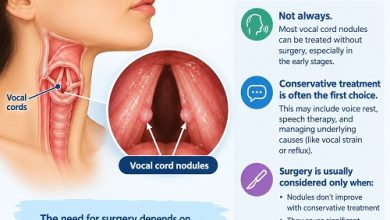
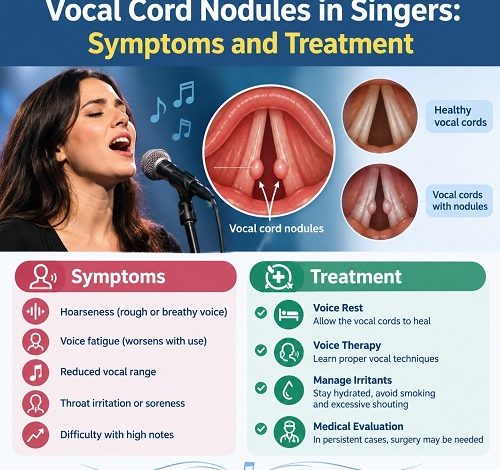
What Are Vocal Cord Nodules? Vocal cord nodules are small, non-cancerous areas of thickened tissue that develop on the vocal folds inside the larynx, commonly called the voice box. The vocal folds vibrate as air passes through them, creating the sound used in speaking and singing.
Nodules typically develop on both vocal folds, often in corresponding areas where repeated contact places mechanical stress on the tissue. They can interfere with the smooth vibration and closure needed for clear sound production.
When the vocal folds cannot vibrate efficiently, a singer may experience hoarseness, breathiness, vocal fatigue or difficulty reaching particular notes.
The condition is associated with repeated vocal overuse or inefficient voice production. However, not every singer with a hoarse voice has nodules. Vocal fold swelling, polyps, cysts, inflammation and other voice disorders can produce similar symptoms, so a proper examination is important.
Common Symptoms of Vocal Cord Nodules in Singers
Recognising the early Vocal Cord Nodules symptoms can help singers seek treatment before persistent voice problems affect their performance.
1. Persistent hoarseness
Hoarseness is one of the most recognisable symptoms. A singer’s voice may sound rough, raspy, husky or less clear than usual.
Some singers notice that their speaking voice sounds relatively normal in the morning but becomes hoarse after rehearsals or performances. Others experience changes throughout the day.
Persistent hoarseness should not automatically be attributed to tiredness, particularly when it repeatedly returns after singing.
2. Reduced vocal range
Singers may struggle to reach high notes or produce low notes with their usual clarity. Their comfortable singing range may gradually become narrower.
For example, a singer who previously performed high passages without difficulty may find that these notes crack, sound weak or require excessive effort.
These changes can affect classical singers, musical theatre performers, pop vocalists and other musicians who depend on precise pitch control.
3. Vocal fatigue
Vocal fatigue occurs when singing or speaking requires more effort than usual. A singer may feel that their voice becomes tired after a short rehearsal or that maintaining a consistent sound takes increasing concentration.
This symptom can lead to a cycle in which the singer pushes harder to compensate for reduced vocal efficiency, potentially increasing further strain.
4. Breathiness and weak sound
Nodules may prevent the vocal folds from closing completely during sound production. As a result, some singers develop a breathy voice or struggle to produce a strong sound without pushing.
They may find it difficult to maintain long phrases because air escapes less efficiently during phonation.
5. Difficulty sustaining notes
A singer may notice that long notes become unstable or that their voice loses strength before a musical phrase ends.
This can affect breath control, phrasing and confidence during performances. The difficulty may become more noticeable during demanding songs or extended rehearsals.
6. Voice breaks and inconsistent pitch
Vocal breaks can occur when the voice struggles to transition smoothly between different pitches or registers. Some singers experience unpredictable cracking, reduced flexibility or difficulty maintaining consistent tone.
Although these symptoms may occur with vocal nodules, they can also have other Vocal Cord Nodules causes. A laryngologist can help identify the underlying problem.
7. Throat discomfort and increased effort
Some singers experience throat tightness, neck tension or discomfort when trying to produce their usual sound. The discomfort may arise partly from compensatory muscle tension and inefficient vocal technique.
Not everyone with vocal nodules experiences pain. A lack of pain also does not rule out a vocal fold problem.
What Causes Singer’s Nodules?
Singer’s nodules generally develop when repeated mechanical stress affects the vocal fold tissue. Several factors can contribute.
- Excessive singing: Long rehearsals, frequent performances and insufficient recovery time can increase vocal strain.
- Singing too loudly: Repeatedly forcing the voice to compete with loud music or background noise can increase the impact between the vocal folds.
- Poor vocal technique: Excessive throat tension, inefficient breath coordination and forcing high or low notes can place additional demands on the voice.
- Inadequate vocal preparation: Starting demanding singing without a suitable warm-up may contribute to inefficient voice use.
- Insufficient recovery: Continuing to sing when the voice is tired or hoarse can prolong irritation.
- Environmental irritants: Smoke, dust and dry air may aggravate vocal symptoms.
- Associated health conditions: Allergies, respiratory inflammation or reflux may contribute to throat irritation in some individuals.
These factors do not affect every singer in the same way. Vocal anatomy, training, performance schedules and individual health also influence risk. Nodules should not be diagnosed solely on the basis of singing habits or symptoms.
How Are Vocal Cord Nodules Diagnosed?
If you notice persistent hoarseness, a reduced singing range or recurring voice fatigue, consult an ear, nose and throat specialist (ENT), preferably a laryngologist experienced in professional voice disorders.
Medical history and voice assessment
The specialist will ask about your symptoms, singing schedule, vocal technique, smoking exposure, allergies, reflux symptoms and previous voice problems.
You may also be asked when your symptoms started, which notes have become difficult and whether your voice improves after rest.
Laryngoscopy
Laryngoscopy allows the clinician to examine the vocal folds using a specialised viewing instrument. This helps identify structural changes and assess whether the folds move normally.
Videostroboscopy
Videostroboscopy uses a flashing light to assess vocal fold vibration in greater detail. It can help clinicians evaluate the vibratory pattern, closure and appearance of suspected nodules.
These examinations help distinguish nodules from other conditions, including vocal fold polyps, cysts, swelling and lesions that require a different approach.
Important: Do not assume that every singing voice problem is caused by nodules. An accurate diagnosis is particularly important for professional singers because treatment decisions can affect vocal performance.
Treatment Options for Vocal Cord Nodules in Singers
Vocal Cord Nodules Treatment depends on the size and characteristics of the nodules, the severity of symptoms, the singer’s professional demands and the underlying causes of vocal strain.
1. Voice therapy
Voice therapy is a common first-line treatment for vocal fold nodules. It is provided by a qualified speech and language therapist or speech-language pathologist with experience in voice disorders.
The therapist works with the singer to improve vocal efficiency and reduce harmful patterns of voice use.
Treatment may include:
- Breath coordination and controlled airflow.
- Exercises that encourage efficient vocal fold vibration.
- Resonant voice techniques.
- Gentle exercises to reduce unnecessary throat tension.
- Adjustments to speaking and singing habits.
- Strategies for managing vocal fatigue during rehearsals and performances.
A singer may also benefit from working with a qualified singing teacher in coordination with the treating clinician. This can help translate therapeutic techniques into practical singing skills.
Voice therapy can improve voice quality and may reduce the need for surgery in appropriate cases. Results vary according to the condition and the singer’s ability to apply the recommended techniques consistently.
2. Modified vocal rest
Reducing vocal demands gives irritated tissue an opportunity to recover. Your clinician may recommend modified vocal rest, which means limiting singing and speaking according to the severity of your symptoms.
During this period:
- Avoid demanding rehearsals and prolonged singing sessions.
- Do not shout or force your voice.
- Reduce unnecessary talking when your voice feels tired.
- Follow your clinician’s instructions about when and how to resume singing.
Avoid prescribing yourself complete silence for a prolonged period without medical guidance. The appropriate amount of rest depends on the Vocal Cord Nodules diagnosis and individual circumstances.
Do not whisper as a substitute for normal speech. Whispering can also strain the voice in some circumstances. Follow the specific advice given by your voice specialist.
3. Improve singing technique
Changing the habits that contributed to vocal strain is an important part of recovery.
A singing teacher experienced in vocal health can help you assess your technique and identify areas that need attention. This may include reducing excessive throat tension, improving breath support and avoiding the habit of forcing notes beyond a comfortable range.
Gradual increases in practice time are generally more sensible than returning immediately to a demanding schedule.
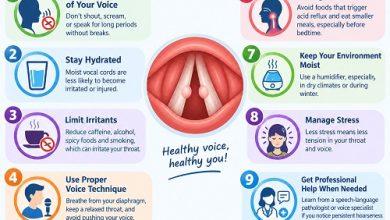
4. Maintain hydration and suitable air quality
Drinking water regularly supports general hydration and may help reduce the sensation of vocal dryness. A humidifier may be useful when indoor air is particularly dry.
Singers should also avoid smoking and limit exposure to second-hand smoke, dust and other respiratory irritants.
These measures support vocal health, but they do not directly remove established nodules. They work best alongside appropriate diagnosis, voice therapy and changes in vocal habits.
5. Manage contributing health conditions
If allergies, reflux or another medical condition contributes to persistent throat irritation, a healthcare professional may recommend appropriate treatment.
Not every singer with vocal nodules has reflux, and acid-suppressing medication is not automatically necessary. Treatment should be based on the person’s symptoms and clinical assessment rather than assumptions.
Avoid taking antibiotics, steroids or other medicines specifically to treat nodules without medical advice. These medicines are not routine treatments for uncomplicated benign vocal fold nodules.
6. Surgery for persistent nodules
Surgery may be considered when nodules remain significant despite an appropriate course of conservative treatment, particularly when they continue to limit important vocal functions.
The procedure, often called phonomicrosurgery or microlaryngoscopic surgery, allows a specialist to treat the affected tissue under magnification.
However, surgery is not necessary for every singer with nodules. Vocal fold scarring is a potential complication, and surgery alone does not correct the vocal habits that may have contributed to the condition.
Voice therapy before surgery, and sometimes afterwards, can help improve technique and reduce the risk of recurrence. The decision should be made jointly with a voice specialist after discussing the likely benefits, risks and alternatives.
How Long Does Recovery Take?
Recovery time varies from one singer to another. It depends on the nature of the vocal fold changes, how long the symptoms have been present, the effectiveness of treatment and whether the singer can modify the behaviours contributing to the problem.
Some singers notice improvement after reducing vocal strain and beginning voice therapy. Others require a longer period of rehabilitation, especially when nodules have become more established.
There is no reliable universal timetable for recovery. Your clinician should assess your progress and advise when to increase practice time, return to rehearsals or resume demanding performances.
During recovery, avoid judging your progress solely by your speaking voice. A singer may speak comfortably while still experiencing difficulty with high notes, sustained phrases or register transitions. A return-to-singing plan should consider the specific demands of your voice.
If symptoms worsen or fail to improve, seek further assessment rather than repeatedly pushing through discomfort.
Natural Ways to Support Vocal Health
Singers often look for natural approaches to support their voices. Certain everyday habits can complement medical treatment, although no home remedy has been proven to remove established vocal cord nodules.
Drink enough water
Maintain regular fluid intake throughout the day. Hydration supports general health and helps prevent the discomfort associated with a dry mouth and throat.
Use gentle warm-ups
Once a clinician has confirmed that singing is appropriate, use a suitable warm-up routine. Gentle humming or other exercises recommended by a voice professional may help prepare the voice for activity.
Do not use warm-ups to push through hoarseness or pain.
Avoid smoke and throat irritants
Smoking and exposure to second-hand smoke can irritate the larynx. Limiting these exposures is an important part of maintaining vocal health.
Prioritise sleep and recovery
Adequate sleep and breaks between demanding singing sessions help support general recovery. Avoid scheduling prolonged vocal activity without allowing sufficient recovery time.
Be cautious with herbal remedies
Honey or a warm, non-irritating drink may soothe throat discomfort for some people, but neither has been shown to eliminate vocal nodules. Herbal products and supplements should not replace professional assessment or voice therapy.
Some supplements can cause side effects or interact with medicines. Consult a healthcare professional before using them, particularly if you have an existing medical condition or take regular medication.
Natural Treatment for Vocal Cord Nodules
Vocal cord nodules are small, benign growths that develop on the vocal cords, often due to excessive talking, shouting, or improper voice use. They can cause hoarseness, vocal fatigue, and difficulty speaking clearly. Fortunately, several Natural Remedies for Vocal Cord Nodules may help soothe the throat and support vocal health.
Effective Natural Remedies for Vocal Cord Nodules
- Rest Your Voice
Voice rest is one of the most effective ways to reduce strain on your vocal cords. Avoid shouting, prolonged conversations, and whispering, as whispering can also strain your voice. - Stay Hydrated
Drink plenty of water throughout the day to maintain hydration and support healthy vocal cord function. Warm, non-caffeinated drinks may also soothe throat discomfort. - Try Steam Inhalation
Gentle humidified air may help relieve throat dryness. Use a clean humidifier and avoid inhaling steam from boiling water to prevent burns. - Avoid Irritants
Stay away from smoking, secondhand smoke, and other irritants. Managing acid reflux, if present, may also help reduce throat irritation. - Practice Healthy Voice Habits
Use a comfortable speaking volume and take regular breaks during conversations.
How Can Singers Prevent Vocal Cord Nodules?
Preventing recurrence involves managing the demands placed on the voice and addressing the factors that contributed to the original problem.
Use amplification when appropriate
Use a microphone when performing or rehearsing in large spaces. Avoid competing with loud instruments by increasing vocal volume unnecessarily.
Plan rehearsals sensibly
Schedule breaks and avoid sudden increases in singing duration or intensity. Build up demanding practice gradually.
Maintain hydration
Drink water regularly and pay attention to dry environments that may aggravate vocal discomfort.
Respond to early warning signs
If your voice becomes hoarse, tired or less flexible, reduce vocal demands and seek advice if the problem persists.
Work with trained professionals
Regular technique reviews with a qualified singing teacher and advice from a voice therapist can help you identify inefficient vocal habits.
These measures cannot guarantee prevention, but they can help singers manage vocal demands and recognise problems early.
When Should a Singer See a Doctor?
Arrange an assessment with an ENT specialist if hoarseness or other voice changes persist, particularly if they interfere with singing or repeatedly return after performances.
The American Academy of Otolaryngology–Head and Neck Surgery recommends laryngeal examination when dysphonia has not improved within four weeks, or sooner when a serious cause is suspected. Professional voice use is a reason to consider earlier assessment.
Seek urgent medical assessment for sudden voice loss during strenuous singing, as this may indicate a vocal fold haemorrhage. Sudden breathing difficulty or noisy breathing requires emergency care.
Do not continue a performance or intensive vocal practice when you suspect a significant vocal injury.
Frequently Asked Questions
1. Can singers recover from vocal cord nodules?
Yes. Many singers improve with appropriate voice therapy, reduced vocal strain and changes to singing technique. Recovery depends on the individual condition, and some cases require further treatment.
2. Are singer’s nodules permanent?
Not necessarily. Some nodules improve or resolve with conservative management. More established lesions may be persistent, so an ENT assessment is important for determining the most appropriate approach.
3. Can I continue singing with vocal cord nodules?
Continuing to sing at your usual intensity may worsen symptoms. Reduce vocal demands and follow the advice of your voice specialist before returning to demanding singing.
4. Is surgery always necessary?
No. Voice therapy and changes in vocal habits are commonly tried first. Surgery may be considered when symptoms remain significant despite appropriate conservative treatment.
5. Do vocal cord nodules cause permanent voice damage?
Not in every case. Many singers improve, but persistent vocal strain and complications from treatment can affect voice quality. Early assessment and appropriate management help guide recovery.
6. What is the difference between vocal nodules and polyps?
Nodules typically develop as paired areas of thickening on both vocal folds, while polyps are often more asymmetric and may affect one fold. Their appearance and treatment can differ, so specialist examination is necessary.
7. Can vocal cord nodules return after treatment?
Yes. Nodules can recur if the factors contributing to vocal strain remain. Continued attention to vocal technique, workload and recovery is important even after symptoms improve.
Conclusion
Vocal cord nodules in singers can affect vocal range, sound quality, endurance and confidence. Common warning signs include persistent hoarseness, breathiness, vocal fatigue and difficulty producing notes that once felt comfortable.
The most effective approach begins with an accurate diagnosis and a treatment plan suited to the singer’s needs. Voice therapy, appropriate vocal rest, improved technique and management of contributing health conditions can help many singers recover. Surgery is reserved for selected cases in which conservative management does not provide sufficient improvement.
Protecting your voice means responding to early symptoms, allowing adequate recovery and avoiding the temptation to push through persistent hoarseness. With appropriate professional care and consistent vocal-health habits, many singers can work towards a healthier, more reliable singing voice.
Editorial note:
This article is for educational purposes and does not replace an individual medical assessment. Vocal cord nodules require appropriate diagnosis, particularly when symptoms persist or affect a professional singing voice. Herbal products and home remedies should not be presented as proven cures for vocal fold nodules.
Medical references
The following reliable medical sources support the clinical information in this article and can be consulted for further reading.
- InformedHealth.org — Overview: Vocal Nodules
Institute for Quality and Efficiency in Health Care (IQWiG), via NCBI Bookshelf
Explains symptoms, causes, voice rest, voice therapy and surgical treatment.
- American Speech-Language-Hearing Association (ASHA) — Voice Disorders
Provides information about voice assessment, voice therapy and professional voice rehabilitation.
- University of Iowa — Vocal Nodules Protocols
Covers the clinical presentation, diagnosis and management of vocal fold nodules.
- Sean Parker Institute for the Voice — Nodules
Discusses the effects of nodules on vocal performance and the role of voice therapy and surgery.
- Gaskins D, Baird BJ. What Are Vocal Cord Nodules?
JAMA Otolaryngology–Head & Neck Surgery. 2024;150(2):185. DOI: 10.1001/jamaoto.2023.3698.
A patient-focused medical review of symptoms, diagnosis, treatment and prevention.
- National Institute on Deafness and Other Communication Disorders — Taking Care of Your Voice
General guidance on vocal hygiene and protecting the voice.