
Your voice is an essential part of everyday communication, professional performance, and personal expression. Whether you are a singer, teacher, public speaker, or someone who uses their voice throughout the day, persistent hoarseness can be frustrating and concerning. One possible cause is the development of vocal cord nodules.
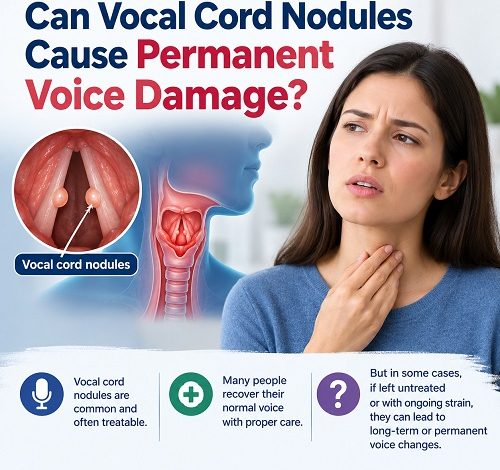
A common question people ask is: Can vocal cord nodules cause permanent voice damage? The answer is yes, long-standing vocal cord problems can contribute to lasting changes in voice quality, particularly when repeated vocal strain continues without appropriate treatment. However, permanent damage is not inevitable. Many people experience significant improvement with early diagnosis, voice therapy, and healthier vocal habits.
Vocal Cord Nodules causes, symptoms, treatment options, and prevention strategies can help you protect your voice and reduce the risk of long-term complications.
What Are Vocal Cord Nodules?
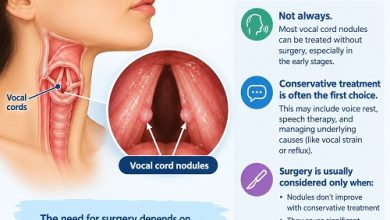
What Are Vocal Cord Nodules? Vocal cord nodules, also called vocal fold nodules, are small, benign growths that develop on the vocal folds inside the larynx, commonly known as the voice box. They usually form on both vocal folds at areas exposed to repeated contact and friction during speaking or singing.
These growths are sometimes compared to calluses that develop on the hands or feet after repeated friction. Similarly, the vocal folds may respond to excessive mechanical stress by developing changes in their surface tissue.
The vocal folds vibrate as air passes through them, producing the sound used for speech and singing. When nodules interfere with their normal vibration or closure, the voice may become rough, weak, breathy, or hoarse.
Vocal cord nodules are generally noncancerous. However, their effect on voice function can be significant, especially for people whose jobs or hobbies depend on clear, reliable vocal performance.
According to the Cleveland Clinic, vocal nodules are commonly associated with repeated vocal overuse or misuse and often respond to conservative treatment.
Can Vocal Cord Nodules Cause Permanent Damage?
The concern about Vocal cord nodules permanent damage is understandable, particularly for people who notice that their voice no longer sounds or feels the same.
In many cases, vocal cord nodules do not cause permanent damage when they are identified and managed appropriately. Symptoms may improve as inflammation settles, vocal habits change, and the vocal folds recover. Voice therapy can also help people use their voices more efficiently, reducing repeated stress on the affected tissue.
However, the risk of persistent problems increases when vocal strain continues over time. Repeatedly forcing the voice despite hoarseness, fatigue, or discomfort may contribute to ongoing inflammation and further tissue injury. Some people may develop persistent changes in vocal fold flexibility or, in more complicated cases, scarring that affects vibration.
It is important to distinguish between having nodules and having permanent vocal damage. Nodules themselves do not automatically mean that irreversible injury has occurred. Some remain visible even when the voice improves, while others become smaller or resolve with appropriate management.
The outcome depends on several factors, including the severity and duration of the problem, the person’s vocal habits, the presence of other laryngeal conditions, and the effectiveness of treatment.
The Merck Manual Professional Edition explains that vocal nodules usually improve when the underlying source of repeated vocal trauma is addressed.
The key takeaway: Permanent voice damage is possible in some circumstances, but it is not the usual or inevitable outcome of vocal cord nodules. Early assessment and appropriate treatment offer the best opportunity to preserve vocal function.
What Causes Vocal Cord Nodules?
Vocal cord nodules most often develop because of repeated mechanical stress on the vocal folds. When the folds collide forcefully or vibrate under excessive tension, the tissue can become irritated and inflamed.
Common contributing factors include:
- Excessive talking: Speaking for long periods without sufficient vocal breaks can increase strain.
- Frequent shouting or yelling: Raising the voice repeatedly, especially in noisy environments, places additional stress on the vocal folds.
- Improper singing techniques: Singing outside a comfortable range or forcing high or low notes may increase vocal trauma.
- Poor vocal technique: Speaking with excessive throat tension or inadequate breath support can make voice production less efficient.
- Persistent coughing or throat clearing: Repeated forceful contact between the vocal folds may worsen irritation.
- Smoking and exposure to irritants: Tobacco smoke and other airborne irritants can inflame laryngeal tissues.
- Underlying medical conditions: Reflux, allergies, and other Vocal Cord Nodules causes of inflammation may aggravate voice symptoms.
Teachers, coaches, singers, call-centre workers, fitness instructors, and public speakers may face increased risk because their work frequently requires sustained or loud voice use.
Not everyone who uses their voice heavily develops nodules. Individual anatomy, vocal technique, recovery time, and other health factors also influence susceptibility.
Symptoms That May Indicate Vocal Cord Nodules
Recognising the symptoms early can help prevent ongoing vocal strain. The most common sign is persistent hoarseness, but symptoms can vary according to the size and location of the nodules and their effect on vocal fold vibration.
Watch for the following warning signs:
- A raspy, rough, or breathy voice.
- Persistent hoarseness or changes in normal speaking quality.
- Vocal fatigue after talking or singing.
- Difficulty reaching high notes or maintaining the usual vocal range.
- A voice that cracks, breaks, or sounds weak.
- A sensation of throat strain when speaking.
- Reduced ability to project the voice.
- Frequent throat clearing or coughing.
- Difficulty sustaining speech without taking extra breaths.
Professional singers may notice that their upper register becomes unreliable before everyday speaking becomes noticeably difficult. Teachers and other heavy voice users may find that their voices deteriorate as the working day progresses.
These Vocal Cord Nodules symptoms do not confirm the presence of nodules. Similar changes can occur with vocal fold swelling, polyps, cysts, muscle tension dysphonia, infections, and other disorders. An examination by an appropriate healthcare professional is necessary to determine the cause.
How Do Untreated Nodules Lead to Long-Term Voice Changes?
Long-term voice changes can develop when the factors responsible for vocal injury remain unaddressed. The nodules may continue to interfere with vocal fold closure, causing the person to compensate by pushing harder or increasing throat tension.
This creates a potentially harmful cycle: the voice becomes less efficient, the person uses more effort to produce sound, and the additional effort increases mechanical stress.
Several problems may occur.
1. Persistent hoarseness
When the vocal folds cannot vibrate efficiently, the voice may remain rough or breathy. Continued irritation can prevent symptoms from settling and may make everyday communication increasingly tiring.
2. Reduced vocal endurance
People with persistent nodules may struggle to speak for extended periods. Their voices may become weak, strained, or unreliable after relatively short periods of use.
This can interfere with teaching, singing, customer service, presentations, and other activities that require sustained communication.
3. Reduced vocal range
Singers may experience difficulty reaching certain notes or maintaining control over pitch and volume. Swelling, changes in tissue flexibility, and altered vibration can affect the range and consistency of the voice.
4. Compensatory muscle tension
When producing sound becomes difficult, people may unconsciously tighten the muscles around the throat, neck, and jaw. This can create additional discomfort and contribute to a separate voice problem known as muscle tension dysphonia.
5. Possible lasting tissue changes
In some cases, repeated vocal trauma and chronic inflammation may contribute to more persistent tissue changes. Vocal fold scarring is particularly important because scar tissue can interfere with the delicate vibration needed for a clear voice.
However, permanent scarring should not be assumed simply because nodules have been present for a long time. An ENT specialist or laryngologist must assess the vocal folds to determine whether lasting structural changes have occurred.
How Are Vocal Cord Nodules Diagnosed?
Accurate Vocal Cord Nodules diagnosis is essential because different vocal fold conditions may produce similar symptoms but require different treatments.
A healthcare professional will usually ask about the onset of hoarseness, daily voice use, singing or speaking habits, smoking history, reflux symptoms, and previous voice problems.
The main diagnostic procedures include:
Laryngoscopy: A clinician uses a small scope to examine the larynx and vocal folds. This helps identify visible lesions, swelling, and other structural abnormalities.
Videostroboscopy: This specialised examination uses a flashing light to assess vocal fold vibration. It can provide information about the movement and flexibility of the tissue that may not be apparent from a standard visual examination.
These tests help clinicians distinguish nodules from other lesions, such as polyps or cysts, and assess whether the vocal folds are closing and vibrating normally.
If you experience hoarseness that persists for more than three weeks, arrange a medical assessment rather than assuming that the problem will resolve on its own. Seek assessment sooner if symptoms are severe, worsening, or accompanied by other concerning signs.
The National Institute on Deafness and Other Communication Disorders (NIDCD) provides additional information about the causes and assessment of persistent hoarseness.
Treatment Options to Prevent Permanent Voice Damage
Vocal Cord Nodules Treatment focuses on reducing repeated stress, improving vocal technique, and addressing any underlying conditions that contribute to irritation. The most appropriate plan depends on the diagnosis and severity of the problem.
1. Voice therapy
Voice therapy is commonly the first-line treatment for vocal cord nodules. A speech-language pathologist with experience in voice disorders can teach techniques that reduce unnecessary vocal effort.
Therapy may include breathing exercises, improved breath support, vocal relaxation, resonance exercises, and strategies for speaking without excessive throat tension.
It also helps patients identify habits that may have contributed to the nodules, such as shouting, speaking over background noise, or using an uncomfortable pitch.
The goal is not simply to make the voice sound better temporarily. It is to develop sustainable vocal habits that reduce repeated tissue stress and lower the risk of recurrence.
2. Appropriate vocal rest
Temporary voice reduction may be recommended when the vocal folds are irritated. Short periods of rest can help reduce symptoms, particularly after heavy voice use.
However, prolonged or complete voice rest should not be undertaken without appropriate clinical guidance. Rest alone may not address the vocal habits that caused the problem, and symptoms can return when normal voice use resumes.
Follow the recommendations of your treating clinician, especially if you are a professional singer or someone whose employment depends on speaking.
3. Hydration and vocal hygiene
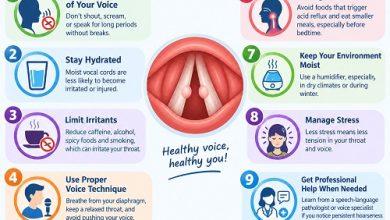
Drinking enough water, getting adequate sleep, and taking regular vocal breaks support healthy voice use. A humidifier may help when the surrounding air is dry.
Avoid smoking and second-hand smoke, and limit exposure to dust, fumes, and other irritants. Try to avoid shouting and competing with loud background noise. Use a microphone or amplification system when appropriate.
Frequent forceful throat clearing may also aggravate irritation. If you repeatedly feel the need to clear your throat, ask a healthcare professional about strategies for managing the underlying cause.
4. Treating underlying conditions
Reflux, allergies, sinus problems, and persistent coughing may contribute to laryngeal irritation in some patients. Managing these conditions can be an important part of the treatment plan.
Not everyone with nodules has reflux or allergies, so treatment should be based on the individual’s symptoms and clinical assessment rather than assuming a particular cause.
5. Surgery in selected cases
Surgery may be considered when a confirmed lesion causes substantial voice impairment and does not improve sufficiently with appropriate conservative management. The decision should be made by a specialist after reviewing the diagnosis, treatment history, and patient’s needs.
Surgery is not routinely necessary for typical vocal nodules. Because the vocal folds require delicate tissue to vibrate properly, procedures must be carefully planned to minimise injury and scarring.
Voice therapy may still be recommended before or after surgery to improve vocal technique and reduce the risk of recurrent problems.
Natural Treatment for Vocal Cord Nodules
Vocal cord nodules are small, benign growths that develop on the vocal cords, often due to excessive voice use, shouting, or improper speaking techniques. They can cause hoarseness, vocal fatigue, and difficulty speaking clearly. Fortunately, several Natural Remedies for Vocal Cord Nodules may help soothe the throat and support vocal health.
Effective Natural Remedies for Vocal Cord Nodules
- Voice Rest: Resting your voice is one of the most important steps toward recovery. Avoid shouting, prolonged talking, and whispering, as these can strain your vocal cords further.
- Stay Hydrated: Drink plenty of water throughout the day to keep your vocal cords adequately hydrated. Warm, caffeine-free drinks may also help soothe throat discomfort.
- Steam Inhalation: Breathing warm, moist air may relieve throat dryness and irritation. Avoid very hot steam to prevent burns.
- Avoid Irritants: Smoking, secondhand smoke, and other airborne irritants can worsen vocal symptoms. Managing acid reflux, when present, may also support recovery.
- Practice Healthy Voice Habits: Use a comfortable speaking volume, take regular breaks, and consider working with a speech-language pathologist for voice therapy.
How Long Does Recovery Take?
Recovery time varies. Some people improve over several weeks, while others require months of treatment and changes to their vocal habits.
The Cleveland Clinic notes that vocal nodules may improve over approximately two to six months with voice therapy or vocal rest. This is a general estimate, not a guaranteed recovery period for every patient.
The duration of symptoms depends on the severity of the nodules, how long they have been present, the individual’s voice demands, and whether contributing factors are effectively managed.
Improvement should be judged by more than whether the nodules are still visible. Voice quality, endurance, comfort, vocal range, and the ability to speak without excessive effort are also important measures of progress.
If symptoms persist despite treatment, your clinician may reassess the diagnosis or modify your management plan.
How to Protect Your Voice and Prevent Recurrence
Prevention is particularly important for people who speak or sing for long periods. The following habits can help reduce vocal strain:
- Warm up gently before demanding singing or speaking sessions.
- Drink water regularly throughout the day.
- Take short voice breaks during prolonged speaking tasks.
- Avoid shouting and forcing your voice when it feels tired.
- Use appropriate amplification in large rooms or noisy environments.
- Learn healthy breathing and vocal techniques from a qualified professional.
- Avoid smoking and limit exposure to respiratory irritants.
- Seek medical advice about persistent reflux, allergies, coughing, or hoarseness.
- Allow your voice to recover when you are ill or experiencing significant vocal fatigue.
Singers and professional voice users may benefit from periodic guidance from a voice-specialised speech-language pathologist, particularly when their schedules involve frequent performances or long working hours.
When Should You See a Doctor?
Do not ignore persistent changes in your voice. Arrange an appointment with an ENT specialist or laryngologist if hoarseness lasts longer than three weeks, your vocal range changes unexpectedly, or speaking becomes increasingly difficult.
Seek prompt medical attention if you experience sudden voice loss after intense vocal exertion, coughing up blood, a neck lump, significant pain, or difficulty swallowing. Sudden voice loss after shouting or strenuous singing can sometimes indicate a vocal fold haemorrhage and needs urgent assessment.
Breathing difficulty or noisy breathing requires emergency medical care.
Early assessment can identify the underlying problem and help prevent inappropriate self-treatment. It is especially important for smokers and people with other risk factors not to attribute persistent hoarseness to nodules without an examination.
Conclusion
So, can vocal cord nodules cause permanent voice damage? They can contribute to lasting voice problems in some cases, but permanent damage is not inevitable. Many people improve with appropriate voice therapy, changes to vocal habits, and treatment of contributing medical conditions.
The main concern is continued vocal strain without proper diagnosis or management. Repeated injury may lead to persistent hoarseness, reduced vocal endurance, changes in vocal range, or, in more serious cases, lasting tissue damage.
If you notice ongoing hoarseness, vocal fatigue, or difficulty singing or speaking, seek an assessment from an ENT specialist or laryngologist. Follow an individualised treatment plan and work with a qualified voice therapist when recommended.
Taking action early can help protect your vocal health, support recovery, and reduce the risk of long-term voice changes.
Medical disclaimer
This article is for educational purposes only and is not a substitute for professional medical advice, diagnosis, or treatment. Persistent voice changes should be evaluated by a qualified healthcare professional.
Medical references
The following medical sources support the article’s discussion of causes, symptoms, diagnosis, treatment, and the potential for long-term voice problems.
- Cleveland Clinic — Vocal Cord Lesions
Patient education resource covering nodules, symptoms, diagnosis, treatment, and prognosis.
- National Institute on Deafness and Other Communication Disorders (NIDCD) — Taking Care of Your Voice
Guidance on vocal hygiene, hydration, voice use, and prevention of voice problems.
- Merck Manual Professional Edition — Vocal Fold Polyps, Nodules, and Granulomas
Professional medical reference on the causes, diagnosis, and management of benign vocal fold lesions.
Read the professional reference.
- InformedHealth.org — Overview: Vocal Nodules
Evidence-based patient information from the US National Library of Medicine’s NCBI Bookshelf collection.
- Birchall, M. A., and Carding, P. — “Vocal Nodules Management” (2019)
Peer-reviewed clinical review discussing management approaches and limitations in the evidence base.
- Fu, S., Theodoros, D., and Ward, E. C. — “Long-term effects of an intensive voice treatment for vocal fold nodules” (2016)
Clinical study examining voice therapy outcomes and maintenance of improvements at six-month follow-up.