Natural Ways to Reduce Bloating After Eating: Simple Tips for Better Digestion

How to Reduce Bloating Naturally
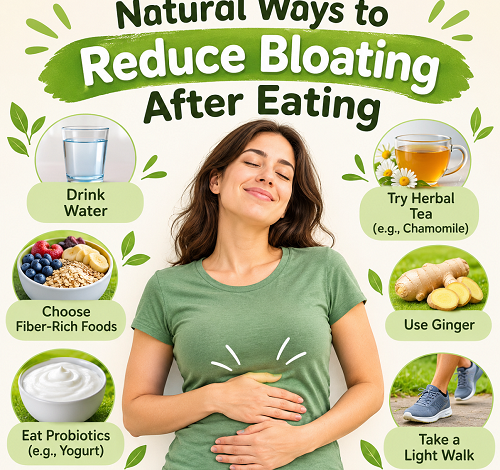
Bloating after eating is a common digestive imbalance that can cause abdominal fullness, pressure, gas, and discomfort. It often develops when food is digested slowly, excess gas builds up, or certain foods trigger digestive sensitivity. Fortunately, learning how to reduce bloating naturally can help support better digestion and everyday comfort. Simple changes, such as eating slowly, drinking enough water, choosing fiber-rich foods, and walking after meals, may make a difference. Moreover, understanding your food triggers and maintaining healthy eating habits can help prevent frequent bloating and support long-term digestive wellness.
How to Reduce Bloating Naturally: 10 Effective Ways
Understanding how to reduce bloating naturally starts with developing healthy eating habits and supporting normal digestive function.
The following approaches may help reduce occasional bloating and improve digestive comfort.
1. Eat Slowly and Chew Your Food Properly
One of the easiest ways to reduce bloating is to slow down while eating.
When you chew food thoroughly, you break it into smaller pieces, making it easier to swallow and digest.
Additionally, slower eating can reduce the amount of air you swallow during meals.
Try these simple habits:
- Take smaller bites.
- Chew each bite thoroughly.
- Avoid rushing through meals.
- Put your spoon or fork down between bites.
- Avoid talking excessively while chewing.
As a result, you may experience less discomfort after eating.
2. Drink Enough Water Throughout the Day
Water supports normal digestion and helps prevent constipation. When your body receives sufficient fluids, fiber can work more effectively to maintain regular bowel movements.
However, drinking excessive amounts of water during meals is unnecessary.
Instead, maintain regular hydration throughout the day.
You can support hydration by drinking:
- Plain water
- Warm water
- Unsweetened herbal tea
- Water-rich foods such as cucumber and watermelon
Furthermore, limiting sugary carbonated drinks may help reduce bloating caused by swallowed gas.
3. Take a Short Walk After Eating
Light physical activity can support normal digestive movement.
A gentle walk after eating may help move gas through the digestive tract and reduce uncomfortable fullness.
You do not need intense exercise to experience potential benefits.
Consider these simple activities:
- Walk for 10–15 minutes after meals.
- Avoid lying down immediately after eating.
- Choose gentle movement instead of strenuous exercise.
- Maintain regular physical activity throughout the week.
Therefore, adding a short walk to your daily routine may help improve digestive comfort.
4. Include Ginger in Your Diet
Ginger is traditionally used to support digestive wellness. It contains natural compounds called gingerols and shogaols.
Research suggests ginger may help support stomach emptying and reduce certain digestive symptoms, although its effects on bloating vary.
You can include ginger in your routine by:
- Adding fresh ginger to warm water.
- Preparing unsweetened ginger tea.
- Using small amounts in soups.
- Adding grated ginger to cooked vegetables.
Nevertheless, ginger may cause heartburn or irritation in some individuals. Start with a small amount and observe your body’s response.
5. Try Peppermint Tea
Peppermint contains menthol, a compound that can relax smooth muscles in the digestive tract.
Peppermint tea is commonly used as a traditional remedy for gas and digestive discomfort.
However, evidence supporting peppermint tea specifically for bloating is limited. Peppermint oil has been studied more extensively for certain symptoms of irritable bowel syndrome.
You can prepare peppermint tea by steeping fresh peppermint leaves in hot water for several minutes.
Important: Peppermint may worsen acid reflux or heartburn. People experiencing these problems should use caution.
6. Eat Smaller and More Frequent Meals
Eating large meals can increase stomach fullness and make bloating more noticeable.
Instead, consider dividing your daily food intake into smaller, balanced portions.
For example:
- Eat a moderate breakfast.
- Choose a balanced lunch.
- Enjoy a lighter dinner.
- Have small snacks when needed.
Additionally, avoid eating excessively large portions late at night.
Smaller meals may make digestion more comfortable, particularly for people who experience fullness after eating.
7. Increase Fiber Intake Gradually
Fiber supports bowel regularity and helps prevent constipation. However, increasing fiber too quickly can temporarily increase gas and bloating.
Good sources of fiber include:
- Oatmeal
- Chia seeds
- Berries
- Carrots
- Kiwi
- Whole grains
- Cooked vegetables
Start with small portions and gradually increase your intake.
Moreover, drink sufficient water to help fiber move through your digestive system comfortably.
8. Identify Foods That Trigger Bloating
Food triggers differ from person to person. Therefore, keeping a food diary can help you understand which meals cause discomfort.
Record the following information:
- Foods and drinks consumed
- Meal sizes
- Time when bloating begins
- Duration of symptoms
- Other digestive symptoms
For instance, you may notice bloating after consuming milk, onions, beans, or certain sweeteners.
If symptoms repeatedly occur after particular foods, consider discussing them with a registered dietitian.
A low-FODMAP diet may help some people with irritable bowel syndrome. However, it should ideally be followed with professional guidance rather than used as a permanent restrictive diet.
9. Avoid Excessive Carbonated Drinks
Carbonated drinks contain dissolved carbon dioxide gas. When you consume these beverages, some gas can enter your digestive system.
This may increase belching and abdominal fullness.
Common examples include:
- Soda
- Sparkling water
- Fizzy energy drinks
- Carbonated soft drinks
If these beverages regularly trigger discomfort, try replacing them with plain water or non-carbonated drinks.
10. Maintain Regular Eating and Sleeping Habits
Your digestive system benefits from consistent daily routines.
Irregular eating patterns, late-night heavy meals, and insufficient sleep may contribute to digestive discomfort in some individuals.
To support digestive wellness:
- Eat meals at relatively consistent times.
- Avoid overeating before bedtime.
- Maintain a regular sleep schedule.
- Manage everyday stress.
- Stay physically active.
Furthermore, relaxation techniques such as deep breathing and meditation may help people whose digestive symptoms are influenced by stress.
Additional Natural Habits That Support Better Digestion
Besides dietary changes, a few everyday habits may help you manage digestive discomfort more effectively.
11. Manage Stress and Anxiety
Stress can affect communication between the brain and digestive system. As a result, some people experience abdominal discomfort, changes in bowel movements, and bloating during stressful periods.
Try incorporating these relaxation techniques:
- Practice deep breathing for five minutes.
- Spend time outdoors.
- Try gentle yoga or stretching.
- Maintain a consistent sleep routine.
- Take short breaks during stressful days.
Although stress management does not treat every digestive problem, it may improve overall digestive well-being.
12. Avoid Lying Down Immediately After Meals
Lying down immediately after eating may worsen reflux and uncomfortable fullness in some people.
Instead, remain upright after meals and allow your body time to digest food.
You can also:
- Sit comfortably while eating.
- Avoid tight clothing around your abdomen.
- Take a gentle walk after dinner.
- Avoid heavy meals immediately before bedtime.
These small adjustments may help reduce digestive discomfort.
Natural Digestive Support and Achalasia: What Should You Know?
Achalasia
Achalasia is a rare digestive disorder that affects the esophagus, the tube responsible for carrying food from the mouth to the stomach. It occurs when the lower esophageal sphincter does not relax properly, making swallowing difficult. As a result, food and liquids may remain trapped in the esophagus. Common symptoms include difficulty swallowing, chest discomfort, regurgitation, and unintended weight loss. Although achalasia cannot be cured through natural remedies, medical treatments can help manage symptoms and improve swallowing.
People researching digestive wellness may also encounter the term Natural Cure for Achalasia. However, achalasia is different from ordinary post-meal bloating.
Achalasia is a rare esophageal disorder in which the lower esophageal sphincter does not relax properly, making it difficult for food and liquids to enter the stomach.
Common symptoms include:
- Difficulty swallowing food and liquids
- Regurgitation of undigested food
- Chest discomfort
- Heartburn-like symptoms
- Unintentional weight loss
Although healthy eating habits may support general digestive comfort, there is no scientifically established natural cure for achalasia.
Medical evaluation and appropriate treatment are important for managing this condition. Natural approaches should never replace specialist care or prescribed treatment.
Herbs Solutions By Nature
Herbs Solutions By Nature recognizes the importance of natural wellness and informed digestive health choices. Herbal products and supplements should be selected carefully, especially when someone has an existing digestive condition or takes medication.
Always consult a qualified healthcare professional before using herbal supplements for digestive concerns.
Frequently Asked Questions About How to Reduce Bloating Naturally
1. How can I reduce bloating quickly after eating?
Try walking gently for 10–15 minutes, remaining upright, and avoiding additional carbonated drinks. Eating slowly and allowing your digestive system time to process food may also help.
2. What is the best natural drink for bloating?
Warm water and ginger tea are popular options. Peppermint tea may also be soothing for some people. However, peppermint can worsen acid reflux, so it may not be suitable for everyone.
3. Why does my stomach become bloated immediately after eating?
Immediate bloating may be associated with swallowing air, eating large portions, food sensitivities, or digestive conditions. Keeping a food diary can help identify possible triggers.
4. Does walking after meals help reduce bloating?
Yes, gentle walking may support normal digestive movement and help relieve gas-related discomfort. A short walk after eating is generally a simple way to stay active.
5. Which foods should I avoid when experiencing bloating?
Common triggers include beans, cabbage, onions, carbonated drinks, certain dairy products, and sugar-free products containing sugar alcohols. However, food sensitivity varies between individuals.
6. Can drinking warm water reduce bloating?
Warm water can contribute to daily hydration, which supports normal digestion and bowel movements. However, there is limited evidence that warm water specifically eliminates bloating.
7. Is bloating after every meal normal?
Occasional bloating is common. However, experiencing it after nearly every meal may indicate food intolerance, constipation, IBS, or another digestive issue. Persistent symptoms should be evaluated by a healthcare professional.
8. How long does bloating usually last after eating?
The duration varies depending on the cause, meal size, and individual digestive function. Mild bloating may improve within several hours, while persistent or recurring symptoms require medical attention.
Conclusion
Learning how to reduce bloating naturally begins with understanding your food triggers and developing healthier daily habits. Eating slowly, choosing comfortable portions, staying hydrated, and taking gentle walks after meals may improve digestive comfort. In addition, gradually increasing fiber and limiting carbonated drinks can help some people. However, persistent bloating should not be ignored. If symptoms are severe, frequent, or accompanied by warning signs, seek medical advice to identify the cause and receive appropriate treatment when symptoms persist over time.
Medical Disclaimer
This article is intended for educational and informational purposes only. It does not replace professional medical advice, diagnosis, or treatment. Natural remedies and dietary changes may not be suitable for everyone. Consult a qualified healthcare professional before starting herbal supplements or making significant dietary changes. Seek medical attention if bloating is persistent, severe, or accompanied by unexplained weight loss, vomiting, blood in the stool, or significant abdominal pain.