
Achalasia is an uncommon swallowing disorder that affects the oesophagus, the muscular tube that carries food and liquids from the mouth to the stomach. Recognising achalasia symptoms early can help a person seek appropriate medical assessment before swallowing problems become more frequent or severe.
The condition usually develops gradually. Some people initially notice occasional difficulty swallowing, while others may experience food or liquid coming back into the mouth after eating. Chest discomfort, coughing at night, and unexplained changes in eating habits can also occur.
Because several digestive conditions can cause similar symptoms, having one or more of these signs does not necessarily mean that a person has achalasia. However, persistent or worsening swallowing problems deserve medical attention.
What Is Achalasia?
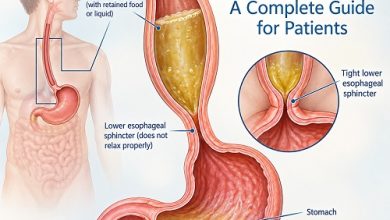
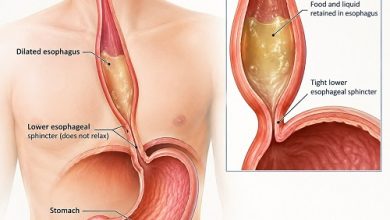
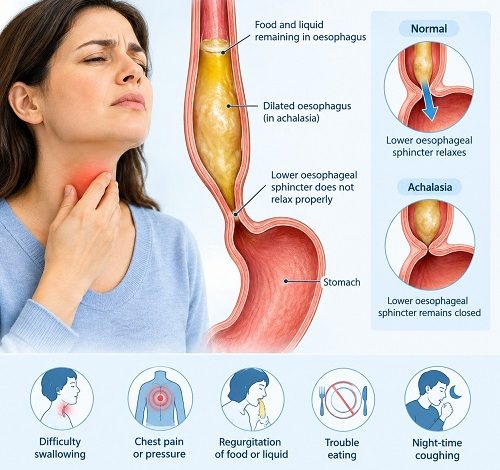
What Is Achalasia? Achalasia occurs when the lower oesophageal sphincter, a muscular valve between the oesophagus and stomach, does not relax normally when a person swallows. At the same time, the muscles of the oesophagus may not move food downwards effectively.
Normally, swallowing triggers coordinated muscle contractions that push food towards the stomach. The lower oesophageal sphincter then relaxes to allow food and liquid to pass into the stomach.
With achalasia, this process becomes impaired. Food and liquids can remain in the oesophagus rather than passing normally into the stomach.
Over time, the oesophagus may become stretched or enlarged. This is one reason why recognising persistent achalasia symptoms is important.
Early Achalasia Symptoms to Watch For
The early signs of achalasia can be subtle. A person may initially blame them on eating too quickly, indigestion or another digestive problem.
Some of the most common signs include:
- Difficulty swallowing food or liquids
- A sensation that food is stuck in the chest
- Regurgitation of undigested food
- Chest pain or pressure
- Trouble eating normally
- Coughing after eating
- Night-time coughing
- Unintentional weight loss
- Changes in eating habits
Symptoms can develop slowly, making it possible for someone to adjust their eating behaviour without recognising that a medical condition may be involved.
Difficulty Swallowing
One of the most important achalasia symptoms is difficulty swallowing, medically known as dysphagia.
Unlike some swallowing problems that affect only solid foods, achalasia may cause difficulty swallowing both solid foods and liquids.
A person might describe the sensation as:
- Food moving slowly down the chest
- Food becoming stuck behind the breastbone
- Needing to drink water to help food pass
- Taking longer than usual to finish a meal
- Feeling that swallowing requires extra effort
Some people experience symptoms only occasionally at first. As the condition progresses, swallowing difficulties may become more frequent.
Persistent dysphagia should not be ignored because it can have several possible causes, some of which require prompt medical investigation.
Chest Pain or Pressure
Chest pain is another possible symptom of achalasia.
The discomfort may occur behind the breastbone and can sometimes feel like pressure, tightness or squeezing. It may occur while eating, shortly after swallowing, or independently of meals.
Oesophageal muscle contractions and stretching of the oesophagus may contribute to this discomfort.
However, chest pain should never automatically be attributed to achalasia. Heart problems, reflux, lung conditions and other disorders can also cause chest discomfort.
If chest pain is sudden, severe, persistent, or accompanied by symptoms such as shortness of breath, sweating, fainting or pain spreading to the arm, jaw or back, seek urgent medical attention.
Regurgitation of Food or Liquid
Regurgitation means that food or liquid comes back into the mouth without the forceful vomiting associated with an upset stomach.
People with achalasia may regurgitate food that has remained in the oesophagus. This may happen several hours after eating and can sometimes occur when lying down.
Regurgitation may be particularly noticeable at night. A person might wake up coughing or find food or liquid in the mouth.
This symptom can sometimes be confused with acid reflux. Although the two conditions can have overlapping symptoms, they are not the same.
If undigested food repeatedly comes back into the mouth, medical assessment can help determine the underlying cause.
Trouble Eating and Changes in Eating Habits
Trouble eating may become noticeable as swallowing difficulties continue.
A person may unconsciously change the way they eat to make swallowing easier. For example, they may:
- Eat very slowly
- Take small bites
- Drink water with meals
- Avoid certain foods
- Chew food for longer
- Stop eating before feeling full
- Avoid eating in social situations
These changes may initially seem harmless. However, they can indicate that swallowing has become increasingly difficult.
People may also avoid foods with certain textures because they feel more difficult to swallow.
Feeling That Food Is Stuck
Another common description of achalasia is the sensation that food becomes trapped in the chest.
The feeling may occur shortly after swallowing. Some people describe it as pressure behind the breastbone or a sensation that food is not moving normally towards the stomach.
This symptom can be uncomfortable and may cause a person to drink additional water or change their posture in an attempt to move the food down.
If this sensation happens repeatedly, it is worth discussing with a healthcare professional.
Night-Time Coughing
Achalasia may also cause coughing at night.
When food or liquid remains in the oesophagus, it may move upwards when a person lies down. This can contribute to coughing, choking sensations or disturbed sleep.
Repeated night-time coughing associated with eating or swallowing problems may warrant medical evaluation.
Night-time coughing has many possible causes, including respiratory conditions and reflux, so it is important not to assume that achalasia is responsible without appropriate assessment.
Unintentional Weight Loss
Weight loss can occur when swallowing becomes increasingly difficult.
Someone with untreated achalasia may gradually eat less because meals become uncomfortable or time-consuming. Some people may also avoid foods that they find difficult to swallow.
Unintentional weight loss is an important symptom to discuss with a healthcare professional, particularly when it occurs alongside dysphagia, regurgitation or chest discomfort.
Significant or unexplained weight loss should always be medically assessed.
Why Achalasia Symptoms Can Be Confusing
The symptoms of achalasia can resemble those of several other digestive disorders.
For example, difficulty swallowing may occur with narrowing of the oesophagus, inflammation, certain neurological conditions and other swallowing disorders.
Similarly, chest discomfort and regurgitation can occur with gastro-oesophageal reflux disease and other conditions.
This overlap means that symptoms alone cannot establish a diagnosis.
A healthcare professional may consider a person’s symptoms, medical history and examination before recommending specific tests.
How Is Achalasia Diagnosed?
When achalasia is suspected, doctors may use several diagnostic tests.
Upper Endoscopy
An upper endoscopy allows a doctor to examine the oesophagus and stomach using a flexible tube with a camera.
The test can help identify other causes of swallowing difficulties, such as narrowing, inflammation or structural abnormalities.
Oesophageal Manometry
Oesophageal manometry measures pressure and muscle activity within the oesophagus during swallowing.
It is an important test for evaluating how the oesophagus and lower oesophageal sphincter function.
Barium Swallow
During a barium swallow examination, a person drinks a liquid containing barium while X-ray images are taken.
The test can show how the liquid moves through the oesophagus and may reveal abnormalities in oesophageal movement or emptying.
A doctor decides which tests are appropriate based on the individual’s symptoms and clinical situation.
When Should You See a Doctor?
Occasional digestive discomfort does not necessarily indicate achalasia. However, persistent swallowing problems deserve professional assessment.
Consider speaking with a healthcare professional if you experience:
- Repeated difficulty swallowing
- Food frequently feeling stuck
- Recurrent regurgitation
- Persistent chest discomfort
- Unexplained weight loss
- Repeated coughing after eating
- Night-time choking or coughing
- Increasing trouble eating
Prompt medical evaluation is particularly important when symptoms are worsening or interfering with normal eating and drinking.
Can Achalasia Symptoms Get Worse Over Time?
Achalasia is generally considered a chronic condition. Symptoms may gradually become more noticeable as the oesophagus has increasing difficulty moving food towards the stomach.
Some people may have mild symptoms for an extended period, while others may develop more noticeable swallowing difficulties.
Because progression varies from person to person, it is not possible to determine the severity of the condition based on symptoms alone.
Early assessment can help identify the cause of swallowing problems and allow appropriate management to be considered.
Achalasia Symptoms vs Acid Reflux
Achalasia and acid reflux can sometimes produce similar complaints, particularly regurgitation and chest discomfort.
With acid reflux, stomach contents and acid can move upwards from the stomach into the oesophagus.
With achalasia, food and liquid can remain in the oesophagus because the lower oesophageal sphincter does not relax normally and oesophageal movement is impaired.
The distinction is important because the underlying mechanisms and medical management are different.
If symptoms labelled as “heartburn” do not improve as expected, or if significant swallowing difficulties develop, medical evaluation is appropriate.
What Can You Do While Waiting for Medical Assessment?
If you are experiencing possible achalasia symptoms, it is sensible to pay attention to patterns in your symptoms.
You can make a note of:
- Which foods are difficult to swallow
- Whether liquids cause problems
- How often food or liquid comes back up
- When chest discomfort occurs
- Whether symptoms are worse at night
- Any changes in body weight
- How long symptoms have been present
This information can help a healthcare professional understand the pattern of your symptoms.
Avoid relying on self-diagnosis because several conditions can produce similar swallowing complaints.
Can Lifestyle Changes Treat Achalasia?
Lifestyle adjustments may sometimes make eating more comfortable, while a Natural Cure for Achalasia focuses on addressing the underlying muscle and nerve problems associated with the condition.
Depending on the individual’s condition, a healthcare professional may discuss medical or procedural approaches.
Eating slowly, taking smaller bites and paying attention to swallowing may help some people manage mealtimes more comfortably while they seek medical advice.
However, persistent symptoms should not be managed solely through dietary changes without investigating the underlying cause.
Why Early Recognition Matters
Recognising achalasia symptoms can encourage timely medical evaluation.
The early signs may be easy to dismiss because they can initially appear mild. A person might simply notice that food sometimes takes longer to pass or that drinking water helps with swallowing.
As symptoms become more frequent, eating can become increasingly difficult. In some cases, regurgitation and night-time symptoms may also affect daily life and sleep.
Identifying persistent swallowing problems early gives healthcare professionals an opportunity to investigate the cause and determine an appropriate management approach.
Frequently Asked Questions About Achalasia Symptoms
What is the most common symptom of achalasia?
Difficulty swallowing, or dysphagia, is one of the most characteristic symptoms of achalasia. It can affect both solid foods and liquids.
Can achalasia cause chest pain?
Yes. Achalasia can cause chest pain or pressure, although chest pain has many possible causes. New or severe chest pain requires appropriate medical evaluation.
Can achalasia cause regurgitation?
Yes. Food or liquid that remains in the oesophagus can come back into the mouth, particularly after eating or when lying down.
Is difficulty swallowing always caused by achalasia?
No. Difficulty swallowing can have numerous causes. Persistent dysphagia should be assessed by a healthcare professional rather than assumed to be achalasia.
Can achalasia cause weight loss?
It can. Difficulty swallowing and reduced food intake may contribute to unintentional weight loss.
Can achalasia symptoms appear suddenly?
Symptoms commonly develop gradually, although the experience varies between individuals. New or rapidly worsening swallowing problems should be medically assessed.
Final Thoughts
Understanding achalasia symptoms can help people recognise when swallowing difficulties may need professional attention. Early warning signs can include difficulty swallowing, chest pain, regurgitation and trouble eating, along with the sensation that food is stuck in the chest, night-time coughing and unexplained weight loss.
These symptoms do not prove that someone has achalasia because other digestive and medical conditions can cause similar problems. Persistent or worsening symptoms should therefore be evaluated by a qualified healthcare professional.
If swallowing becomes increasingly difficult, food repeatedly feels stuck, or unexplained weight loss occurs, seeking medical advice is particularly important. Appropriate diagnostic testing can help identify the underlying cause and guide further management.
Medical Disclaimer
This article is provided for general educational and informational purposes only. It is not intended to diagnose, treat, cure or prevent achalasia or any other medical condition. If you have persistent difficulty swallowing, chest pain, regurgitation, unexplained weight loss or other concerning symptoms, consult a qualified healthcare professional for appropriate evaluation and diagnosis. Seek urgent medical attention for severe or unexplained chest pain or difficulty breathing.