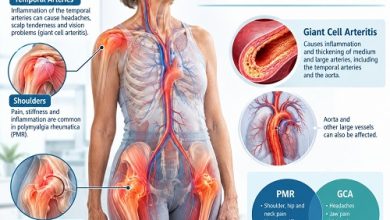


Polymyalgia rheumatica (PMR) is an inflammatory condition that commonly causes aching, stiffness, and discomfort around the shoulders, neck, hips, and upper arms. The symptoms can make everyday activities such as getting dressed, walking, climbing stairs, or getting out of bed more difficult. Although medical treatment is often necessary to control the inflammation, lifestyle measures and healthy habits may provide additional support.
If you are looking for Polymyalgia Rheumatica Pain Relief, it is important to understand that “natural” approaches should complement, rather than replace, treatment recommended by your doctor. PMR can sometimes be associated with giant cell arteritis, a more serious inflammatory condition that requires prompt medical attention. Practical ways of managing Polymyalgia Rheumatica pain, including gentle movement, balanced nutrition, adequate rest, stress management, and other supportive habits.
What Is Polymyalgia Rheumatica?
What Is Polymyalgia Rheumatica? Polymyalgia rheumatica is an inflammatory rheumatic condition that primarily affects adults over the age of 50. It commonly Polymyalgia Rheumatica causes pain and stiffness around the shoulders and hips. Morning stiffness can be particularly troublesome and may last for an extended period.
The exact cause of PMR is not completely understood. Researchers believe that a combination of immune-system activity, genetics, and environmental factors may contribute to its development.
Common Polymyalgia Rheumatica symptoms include:
- Aching and stiffness in the shoulders
- Hip or thigh discomfort
- Neck stiffness
- Increased stiffness after periods of inactivity
- Morning stiffness
- Fatigue
- Reduced mobility
- Difficulty with everyday physical activities
Because symptoms can overlap with other conditions, a healthcare professional should evaluate persistent pain and stiffness rather than relying on self-treatment.
Why Is Polymyalgia Rheumatica Pain Difficult to Manage?
PMR-related discomfort is closely connected with inflammation. Unlike ordinary muscle soreness caused by exercise, PMR can produce significant stiffness and discomfort even when you have not physically overexerted yourself.
The symptoms may also fluctuate. Some days may feel easier than others, while periods of inactivity can make stiffness more noticeable.
This is why an effective approach to Polymyalgia Rheumatica Pain Relief usually involves more than one strategy. Medication prescribed by a healthcare professional may address the underlying inflammation, while lifestyle measures can help maintain mobility, energy, strength, and general wellbeing.
1. Keep Moving With Gentle Exercise
Regular, gentle movement can be an important part of a healthy Polymyalgia Rheumatica lifestyle. Staying completely inactive may contribute to weakness and reduced flexibility, while appropriate activity can help you maintain everyday function.
The key is to avoid pushing through severe pain.
Suitable activities may include:
- Gentle walking
- Light stretching
- Range-of-motion exercises
- Water-based exercise
- Low-impact cycling
- Gentle strengthening exercises
Start slowly and adjust activity according to your symptoms. A physiotherapist can also help develop an exercise programme appropriate for your mobility and overall health.
Try Gentle Morning Movement
Morning stiffness can make it difficult to begin the day. Instead of immediately performing strenuous exercise, consider starting with gentle movements.
Slowly move your shoulders through a comfortable range, rotate your neck carefully without forcing it, and take a short walk if you are able to do so safely.
The objective is not to eliminate stiffness instantly but to gradually encourage comfortable movement.
2. Avoid Long Periods of Inactivity
When pain is present, it can be tempting to stay in bed or sit for much of the day. However, prolonged inactivity may lead to muscle weakness and reduced physical conditioning.
Break up periods of sitting by standing, walking around the room, or performing gentle mobility movements.
If you work at a desk, consider taking short movement breaks throughout the day. Small amounts of regular movement may be easier to manage than one long exercise session.
This approach can be particularly helpful when managing Polymyalgia Rheumatica pain alongside medical treatment.
3. Maintain a Balanced Anti-Inflammatory Eating Pattern
Diet cannot cure PMR, but a balanced eating pattern can support general health and help provide the nutrients your body needs.
Rather than focusing on a single “miracle” food, aim for a varied diet containing:
- Vegetables and leafy greens
- Fruits
- Whole grains
- Beans and lentils
- Nuts and seeds
- Fish and other healthy protein sources
- Healthy fats
- Adequate fluids
Foods containing omega-3 fatty acids, such as oily fish, can be included as part of a balanced diet. Plant foods also provide fibre, vitamins, minerals, and antioxidant compounds.
At the same time, try to limit excessive consumption of highly processed foods, sugary drinks, and foods high in saturated fats.
A healthy diet is best viewed as supportive care rather than a replacement for medical treatment.
4. Pay Attention to Bone Health
Bone health deserves particular attention when living with PMR because corticosteroids are commonly used to control the condition. Long-term corticosteroid treatment can increase the risk of osteoporosis and fractures in some people.
Your healthcare professional may therefore recommend measures to protect bone health depending on your individual circumstances.
A nutritious diet containing adequate calcium and vitamin D can be part of a bone-health strategy. Weight-bearing physical activity, when appropriate, may also support healthy bones.
Do not begin high-dose calcium or vitamin D supplements without discussing them with your healthcare professional, particularly if you have other medical conditions or take medications.
5. Get Enough Quality Sleep
Pain and stiffness can interfere with sleep, while poor sleep can make discomfort and Polymyalgia Rheumatica fatigue feel more difficult to manage.
Developing a consistent sleep routine may help improve your overall wellbeing.
Consider:
- Going to bed and waking at similar times
- Keeping your bedroom comfortable
- Limiting stimulating activities before bedtime
- Avoiding excessive caffeine late in the day
- Using comfortable pillows and sleeping positions
- Keeping your evening routine relaxing
If pain repeatedly wakes you during the night, discuss the problem with your healthcare professional rather than simply accepting poor sleep as part of PMR.
6. Use Heat for Temporary Comfort
Some people find warmth soothing when dealing with stiffness. A warm shower or warm compress may provide temporary comfort, particularly in the morning.
Apply heat carefully and avoid temperatures that could burn the skin. People with reduced sensation or circulation problems should take additional care.
Heat does not treat the underlying inflammation of PMR, but it may make movement feel more comfortable for some individuals.
7. Practise Relaxation and Stress Management
Living with ongoing discomfort can be stressful. Stress may also make it harder to sleep, exercise, and maintain healthy routines.
Relaxation techniques can form part of a broader approach to natural Polymyalgia Rheumatica pain relief.
You could try:
- Deep breathing
- Meditation
- Gentle yoga adapted to your abilities
- Listening to calming music
- Spending time outdoors
- Reading
- Maintaining social connections
Choose activities that make you feel calmer rather than adding another demanding task to your routine.
8. Maintain a Healthy Weight
Maintaining a healthy weight can support mobility and general physical wellbeing. Excess body weight may place additional stress on weight-bearing joints and make physical activity more difficult.
However, weight management should focus on sustainable habits rather than restrictive diets.
Aim for nutritious meals, regular movement, adequate sleep, and gradual lifestyle changes. If you are struggling with weight management, a registered dietitian or healthcare professional can provide individualised guidance.
9. Protect Your Energy
Fatigue can accompany PMR and may make everyday tasks feel exhausting.
Instead of trying to complete everything at once, divide larger tasks into smaller steps.
For example, you could:
- Rest between household activities
- Sit while preparing meals
- Plan demanding activities for times when your energy is highest
- Ask family members for help when necessary
- Avoid unnecessary physical strain
- Alternate activity with periods of recovery
Energy conservation does not mean avoiding movement. It means finding a sustainable balance between activity and rest.
10. Consider Physiotherapy
Physiotherapy can be useful when PMR symptoms affect mobility, strength, or daily activities.
A physiotherapist may assess your movement and help you develop exercises that are appropriate for your current ability. The programme may focus on maintaining flexibility, improving strength, and supporting balance.
This can be especially valuable if you have become less active because of pain.
Never assume that more exercise is always better. A personalised programme should take your symptoms, age, general health, and physical limitations into account.
11. Be Careful With Herbal Supplements
Many people searching for Polymyalgia Rheumatica support are interested in herbal products and supplements. It is important to approach these products cautiously.
Natural does not automatically mean safe. Some herbs and supplements can interact with prescription medicines, affect blood pressure or blood sugar, or increase the risk of bleeding.
There is also limited evidence that herbal supplements can control the underlying inflammation of PMR or replace corticosteroid treatment.
Before taking any supplement, tell your doctor or pharmacist about all medications, vitamins, and herbal products you use.
Do not stop prescribed medication in favour of an herbal remedy without medical supervision.
12. Follow Your Prescribed Treatment Plan
Natural approaches work best when they complement appropriate medical care.
PMR is an inflammatory condition, and corticosteroids are commonly used to control symptoms and inflammation. Your healthcare professional may adjust treatment according to your response and may monitor you for medication-related side effects.
If you experience fewer symptoms, do not independently stop or reduce your medication. PMR can return when treatment is reduced too quickly or stopped without appropriate monitoring.
A combination of medical treatment and healthy lifestyle habits may provide a more practical long-term approach to managing the condition.
13. Monitor Your Symptoms
Keeping a simple symptom diary can help you understand how your condition changes over time.
You could record:
- Morning stiffness
- Pain intensity
- Sleep quality
- Energy levels
- Physical activity
- Medication changes
- Possible side effects
- New symptoms
This information can be useful when discussing your condition with your healthcare professional.
For example, if you notice that stiffness consistently becomes worse after several inactive days, you can discuss appropriate movement strategies with your healthcare team.
14. Build a Support Network
Living with a chronic inflammatory condition can be frustrating, particularly when pain interferes with normal activities.
Family members, friends, support groups, physiotherapists, and healthcare professionals can all contribute to Polymyalgia Rheumatica support.
Let people know when you need assistance. Asking for help with shopping, household tasks, transportation, or physically demanding activities does not mean that you are giving up your independence.
Emotional support is also important. Persistent pain can affect mood and motivation, so speak with a healthcare professional if you are experiencing ongoing feelings of sadness, anxiety, or emotional distress.
15. Know When Symptoms Require Urgent Medical Attention
One of the most important aspects of living with PMR is recognising symptoms that could indicate giant cell arteritis.
Giant cell arteritis can occur alongside PMR and requires urgent medical assessment.
Seek urgent medical attention if you develop symptoms such as:
- A new severe or persistent headache
- Scalp tenderness
- Jaw pain while chewing
- New visual disturbances
- Double vision
- Sudden or temporary loss of vision
- Other concerning neurological symptoms
Do not attempt to manage these symptoms solely with natural remedies.
Creating a Simple Daily PMR Routine
A practical routine can make managing Polymyalgia Rheumatica pain easier.
Morning
Begin with gentle movements and allow yourself additional time to get ready if stiffness is significant. A warm shower may provide temporary comfort before starting your activities.
During the Day
Take regular movement breaks. Choose low-impact activities that you can perform comfortably, and avoid remaining in one position for long periods.
Eat balanced meals and drink enough fluids.
Evening
Use a relaxing routine to prepare for sleep. Gentle stretching may be appropriate if it feels comfortable. Avoid activities that aggravate your symptoms close to bedtime.
Throughout the Week
Keep track of symptoms and maintain communication with your healthcare team. Gradually work towards maintaining strength, mobility, and independence.
What Should You Avoid?
When seeking Polymyalgia Rheumatica Pain Relief, avoid approaches that promise a guaranteed cure or suggest that prescribed treatment is unnecessary.
Be particularly cautious about:
- Stopping corticosteroids suddenly
- Taking high-dose supplements without professional advice
- Performing strenuous exercise during severe symptoms
- Following extreme elimination diets
- Ignoring new or worsening symptoms
- Assuming every type of pain is caused by PMR
- Delaying medical assessment for visual or neurological symptoms
A natural approach should be safe, realistic, and integrated with appropriate medical care.
Final Thoughts
Finding effective Polymyalgia Rheumatica Pain Relief usually requires a combination of appropriate medical treatment and supportive lifestyle habits. Gentle physical activity, nutritious food, adequate sleep, stress management, energy conservation, and professional guidance can all contribute to better day-to-day wellbeing.
The goal of a healthy Polymyalgia Rheumatica lifestyle is not to replace medical treatment. Instead, it is to help you maintain mobility, strength, independence, and quality of life while your healthcare team manages the underlying inflammatory condition.
If you are considering supplements or herbal products for natural Polymyalgia Rheumatica pain relief, speak with your doctor or pharmacist first. This is especially important if you take prescription medicines.
Remember that symptoms can vary between individuals. A personalised plan developed with your healthcare professional is the safest way to approach managing Polymyalgia Rheumatica pain over the long term.
Medical Disclaimer
This article is for educational and informational purposes only and does not constitute medical advice, diagnosis, or treatment. Polymyalgia rheumatica requires appropriate medical evaluation and monitoring. Natural or lifestyle approaches should not replace prescribed treatment. Always consult a qualified healthcare professional before changing medication, starting supplements, or beginning a new exercise programme. Seek urgent medical attention for new visual problems, severe headache, jaw pain while chewing, or other symptoms that may indicate giant cell arteritis.