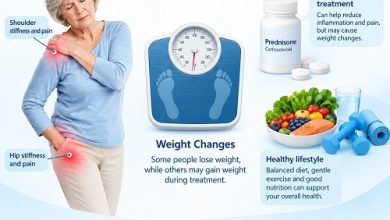


Polymyalgia rheumatica (PMR) is an inflammatory condition that commonly causes pain, stiffness, and reduced mobility around the shoulders, hips, neck, and upper arms. Although treatment with corticosteroids often controls symptoms effectively, some people experience symptoms again after initially improving. This is known as a Polymyalgia Rheumatica relapse.
A relapse can be frustrating, particularly when you have already started feeling better. Recognizing the symptoms early can help you contact your healthcare professional promptly and determine whether your treatment needs to be reassessed.
What a Polymyalgia Rheumatica relapse is, what symptoms may occur, potential triggers, how relapse is diagnosed, and what you can do if symptoms return.
What Is a Polymyalgia Rheumatica Relapse?
What Is a Polymyalgia Rheumatica Relapse? A Polymyalgia Rheumatica relapse occurs when Polymyalgia Rheumatica symptoms return or become significantly worse after they had improved with treatment.
PMR is generally treated with corticosteroids such as prednisone or prednisolone. Symptoms often improve relatively quickly after treatment begins. However, PMR can follow a fluctuating course, and some people experience periods of increased inflammation during treatment or after reducing their steroid dose.
A relapse does not necessarily mean that treatment has failed. PMR can require treatment for an extended period, and medication doses are commonly adjusted gradually according to symptoms and inflammatory markers.
It is important to distinguish a genuine relapse from other causes of muscle or joint pain. Infections, medication side effects, osteoarthritis, rheumatoid arthritis, thyroid problems, and other conditions can sometimes produce similar symptoms.
For this reason, new or returning symptoms should be discussed with a healthcare professional rather than assuming that PMR is responsible.
Common Polymyalgia Rheumatica Relapse Symptoms
The symptoms of a relapse are often similar to those experienced when PMR first developed. However, their intensity can vary from person to person.
1. Shoulder Pain and Stiffness
Shoulder pain and stiffness are among the most characteristic Polymyalgia Rheumatica symptoms. During a Polymyalgia Rheumatica flare-up, you may notice that moving your arms becomes more difficult or uncomfortable.
Activities such as getting dressed, reaching overhead, washing your hair, or lifting objects may become harder.
2. Hip and Thigh Pain
Pain and stiffness around the hips, buttocks, or upper thighs can also return during a relapse.
You may notice discomfort when standing up from a chair, climbing stairs, getting out of bed, or walking after sitting for a long period.
3. Morning Stiffness
Increased morning stiffness is another possible sign of a Polymyalgia Rheumatica relapse.
You may wake up feeling considerably stiffer than you had been in previous weeks. The stiffness may improve as you move around, but persistent or worsening symptoms should be discussed with your doctor.
4. Neck and Upper-Body Discomfort
Some people experience pain and stiffness in the neck and upper arms. If these symptoms return after a period of improvement, they may be part of a PMR relapse.
5. Fatigue
PMR can be associated with fatigue and a general feeling of being unwell. During a relapse, tiredness may become more noticeable.
However, Polymyalgia Rheumatica fatigue has many possible causes, so it should not automatically be interpreted as evidence of recurrent PMR.
6. Reduced Physical Function
Returning stiffness and pain can affect everyday activities. You may find yourself moving more slowly, avoiding certain activities, or needing additional help with tasks that were previously comfortable.
Changes in physical function can be useful information to tell your healthcare professional.
Polymyalgia Rheumatica Symptoms Returning: What Does It Mean?
Polymyalgia Rheumatica symptoms returning after a period of improvement may indicate a relapse, but other explanations are possible.
One of the most important factors doctors consider is the timing of symptoms in relation to treatment. For example, symptoms may appear after a corticosteroid dose has been reduced. Your doctor may also consider blood-test results, including inflammatory markers such as erythrocyte sedimentation rate (ESR) and C-reactive protein (CRP).
However, laboratory results do not always tell the entire story. A person can have symptoms without dramatic changes in inflammatory markers, and elevated markers can have causes other than Polymyalgia Rheumatica.
That is why diagnosis generally involves considering symptoms, physical examination, medical history, medication changes, and laboratory findings together.
What Can Trigger a Polymyalgia Rheumatica Relapse?
There is no single trigger that causes every relapse. PMR behaves differently from one person to another, and a relapse may occur without an obvious reason.
Several factors may be associated with symptom recurrence.
Steroid Dose Reduction
One commonly recognized situation is the reduction of corticosteroid treatment.
Doctors generally aim to reduce steroid doses gradually because long-term corticosteroid therapy can cause significant side effects. If the dose becomes too low to adequately control inflammation, PMR symptoms may return.
This does not mean you should increase or decrease your medication yourself. Steroid adjustments should be made with medical guidance.
Stopping Treatment Too Quickly
Stopping corticosteroids suddenly or reducing them faster than recommended may increase the risk of symptoms returning.
Corticosteroids also affect the body’s natural hormone system, so they generally should not be stopped abruptly after prolonged treatment unless a healthcare professional specifically instructs you to do so.
Persistent Inflammation
PMR is an inflammatory disease, and some people may continue to have inflammatory activity even when their symptoms initially improve.
A healthcare professional may use your symptoms and, where appropriate, inflammatory blood tests to assess whether the disease remains active.
Intercurrent Illness
An infection or another illness can make you feel generally worse and may produce pain or fatigue that resembles a PMR flare.
This is one reason it is important to have new symptoms assessed rather than automatically assuming that you are experiencing a Polymyalgia Rheumatica relapse.
Recurrent Polymyalgia Rheumatica
Recurrent Polymyalgia Rheumatica refers to PMR symptoms occurring again after a period of improvement or remission.
Some people experience one relapse, while others may experience multiple episodes during the course of their illness. The likelihood and timing of recurrence can vary considerably.
A recurrent episode may require a reassessment of the Polymyalgia Rheumatica Treatment plan. Your healthcare professional may review your current steroid dose, recent dose changes, symptoms, inflammatory markers, and possible alternative diagnoses.
Repeated relapses may also prompt closer monitoring and consideration of whether additional treatment strategies are appropriate.
How Is a PMR Relapse Diagnosed?
There is no single test that can definitively diagnose a Polymyalgia Rheumatica relapse.
Healthcare professionals generally assess several factors, including:
- The return or worsening of typical PMR symptoms
- Morning stiffness
- Shoulder, hip, neck, or upper-arm symptoms
- Changes in physical function
- Recent corticosteroid dose reductions
- ESR and CRP blood-test results
- Findings from a physical examination
- Whether another condition could explain the symptoms
The pattern of symptoms is particularly important.
For example, pain caused by a joint injury may behave differently from the widespread stiffness commonly associated with PMR. Similarly, nerve-related pain may produce symptoms that are not typical of PMR.
Your doctor may therefore need to consider several possible causes before concluding that a relapse has occurred.
What Should You Do If PMR Symptoms Return?
If you notice Polymyalgia Rheumatica symptoms returning, keep track of what you are experiencing.
Consider recording:
- When the symptoms began
- Which parts of the body are affected
- How severe the stiffness or pain is
- How long morning stiffness lasts
- Whether your mobility has changed
- Any recent medication changes
- Any fever or other symptoms
- Whether the symptoms are affecting sleep or daily activities
This information can help your healthcare professional understand the pattern of your symptoms.
Do not restart, increase, decrease, or stop corticosteroids without medical advice. Your healthcare professional can determine whether the symptoms represent a relapse and whether your treatment should be adjusted.
Can Lifestyle Changes Prevent a PMR Flare-Up?
Lifestyle measures cannot guarantee that a Polymyalgia Rheumatica flare-up will be prevented. However, maintaining general health can support mobility and overall well-being while you are being treated.
Stay Physically Active
Gentle, appropriate physical activity can help maintain strength, flexibility, balance, and mobility.
Walking, stretching, and exercises recommended by a healthcare professional or physiotherapist may be useful. During an active relapse, however, avoid pushing through severe pain.
Eat a Balanced Diet
A balanced diet containing vegetables, fruit, whole grains, adequate protein, and sources of calcium and vitamin D can support general health.
This is particularly relevant for people taking corticosteroids for an extended period because long-term steroid treatment can affect bone health.
Protect Bone Health
Long-term corticosteroid treatment can increase the risk of osteoporosis. Your healthcare professional may therefore assess your bone health and recommend appropriate measures based on your individual risk.
These may include adequate calcium and vitamin D intake, weight-bearing activity where appropriate, and medication when indicated.
Get Adequate Rest
Fatigue can accompany PMR and other inflammatory conditions. Getting adequate sleep and allowing yourself time to recover can help you manage day-to-day symptoms.
However, excessive inactivity can contribute to weakness and loss of mobility, so maintaining appropriate movement is generally important.
When Should You Contact a Doctor?
Contact your healthcare professional if symptoms that previously improved begin returning or become progressively worse.
You should also seek medical attention for new symptoms that do not fit your usual PMR pattern.
Most importantly, people with PMR should be aware of symptoms associated with giant cell arteritis (GCA), a related inflammatory condition that can occur alongside PMR.
Urgent medical assessment is needed if you develop symptoms such as a new severe headache, scalp tenderness, jaw pain when chewing, or visual changes. Sudden or serious visual symptoms require urgent attention because GCA can threaten vision.
Polymyalgia Rheumatica Relapse vs. Other Causes of Pain
Not every episode of muscle or joint pain represents a PMR relapse.
Conditions that can cause similar symptoms include:
- Osteoarthritis
- Rheumatoid arthritis
- Thyroid disorders
- Vitamin or mineral deficiencies
- Infections
- Medication-related muscle symptoms
- Tendon or joint problems
- Other inflammatory or autoimmune conditions
This distinction is particularly important for people who have been taking corticosteroids for a long time. Steroids can suppress inflammation from other conditions and may also cause side effects that affect muscles, bones, blood sugar, and other aspects of health.
A medical evaluation can help determine the most appropriate explanation for returning symptoms.
How Long Does a PMR Relapse Last?
The duration of a relapse varies.
Some people improve relatively quickly after their treatment is reassessed, while others may have symptoms that persist for longer. The duration can depend on disease activity, treatment response, the underlying cause of symptoms, and whether another condition is contributing to the problem.
Rather than focusing only on how long a relapse lasts, it is useful to monitor whether symptoms are improving, remaining stable, or getting worse.
Regular follow-up can help your healthcare professional adjust treatment while balancing symptom control against the potential risks of prolonged corticosteroid use.
Frequently Asked Questions
Can PMR come back after treatment?
Yes. PMR can relapse after symptoms have improved, particularly during treatment or after corticosteroid doses are reduced. A return of symptoms should be discussed with a healthcare professional.
What does a PMR flare feel like?
A PMR flare may involve increased pain and stiffness around the shoulders, hips, neck, and upper arms. Morning stiffness and difficulty with everyday movements can also become more noticeable.
Does stress cause a PMR relapse?
Stress can affect how people experience pain, sleep, fatigue, and general well-being, but it should not automatically be considered the cause of a PMR relapse. If typical PMR symptoms return, medical assessment is appropriate.
Can I change my steroid dose if symptoms return?
You should not change your corticosteroid dose without medical advice. Your doctor can determine whether the symptoms represent a relapse and advise you on the safest treatment adjustment.
Is every episode of pain a PMR relapse?
No. Similar symptoms can occur with several other conditions. A healthcare professional may need to evaluate symptoms, medication history, examination findings, and laboratory tests to determine whether PMR has become active again.
Final Thoughts
A Polymyalgia Rheumatica relapse can happen after a period of improvement and may cause the return of familiar symptoms such as shoulder and hip stiffness, pain, fatigue, and reduced mobility.
Steroid dose reductions are an important consideration, but there is not always an obvious trigger. Because other medical conditions can cause similar symptoms, returning pain should not automatically be assumed to be a PMR flare.
Keeping a record of symptoms and medication changes can make medical appointments more productive. Most importantly, do not change your corticosteroid treatment without professional guidance.
If you have PMR and notice your symptoms returning, contact your healthcare professional for an appropriate assessment. Prompt evaluation can help distinguish a relapse from other causes and ensure that your treatment remains appropriate.
Medical disclaimer
This article is intended for general educational purposes and is not a substitute for personalized medical advice, diagnosis, or treatment. If you have PMR or develop new or worsening symptoms, speak with a qualified healthcare professional.