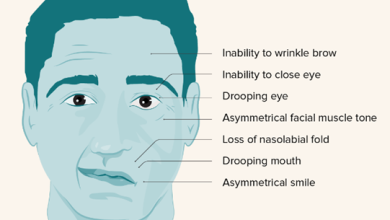


A lot of people are turning to herbal remedies these days as more and more people become aware of the dangers that pharmaceutical drugs can have on their health and well-being. Herbal remedies have been used by many cultures around the world as home treatments for centuries, so it makes sense that they’re starting to make their way into Western culture as well. One specific herbal remedy that has been gaining popularity in recent years is a herbal treatment for Bell’s palsy that you can use at home with no doctor’s visit or prescription necessary.
Hawthorn Berry
Hawthorn berries can offer a number of health benefits, including lowering blood pressure, preventing heart disease and boosting your immune system. This herb is also one of nature’s best home remedies for relieving stress and anxiety. Hawthorn berry tea is an excellent Herbal Treatment for Bell’s Palsy since it can reduce inflammation as well as calm your nerves—two key elements in fighting back against facial paralysis. How to use: Use 1 tablespoon of hawthorn berries per cup of boiling water. Steep for 10 minutes before straining out the berries and drinking three times daily after meals. Precaution: Drinking too much hawthorn berry tea can lead to excessive bleeding. Which may trigger symptoms associated with rheumatoid arthritis or prostate problems in some people.
Black Cohosh
Although black cohosh is also known as black snakeroot, it’s not related to rattlesnakes. In fact, it’s a member of the buttercup family and may help with hot flashes, mood swings, headaches and more. Black cohosh isn’t used much anymore because modern drugs are now available. But many people claim that black cohosh works wonders when you’re looking to treat certain conditions naturally—and without side effects or harsh chemicals. Try taking about 50 milligrams of black cohosh daily in capsule form.
Ginger Root Extract
Ginger root has been used as an Herbal Supplement for Bell’s Palsy in a variety of ways, including to treat digestive problems and low energy levels. It has also been used to treat infections, including chicken pox and shingles. Ginger is high in antioxidants. Which are believed to have anti-inflammatory effects that can help with illnesses such as Bell’s palsy. The suggested dosage of ginger root extract is 400mg three times per day. However, it is important to speak with your doctor first before taking any form of Herbal Supplement for Bell’s Palsy or treatment while pregnant or breastfeeding. Ginger root extract comes in capsules, tablets, and liquid drops. So you can choose which works best for you based on cost and convenience.
Watercress Leaf
A great herbal treatment for Bell’s palsy is watercress leaf. This particular herbal treatment for Bell’s palsy has antioxidant properties. Which helps reduce swelling and inflammation of affected muscles as well as having a sedative effect. As an excellent source of vitamins, A, C, K, and chlorophyll, watercress also helps speed up recovery time by fighting free radicals. To treat bell’s palsy with watercress. Simply add one handful of freshly chopped watercress leaves to two cups of boiling water. Allow it to steep covered for ten minutes. Strain it through a fine-mesh strainer and then drink at least twice daily.
Thyme Herb
One of nature’s best herbal treatment for Bell’s palsy for a variety of different ailments is none other than thyme herb. This essential oil has been used as an effective remedy for digestive issues and respiratory problems, and even acts as a diuretic that can help to flush out toxins from your body. If you are looking to get rid of Bell’s palsy or any form of tingling facial paralysis. Then you will want to incorporate thyme into your diet. This herb can help stimulate blood flow and reduce swelling and inflammation in your face by bringing oxygen-rich blood to all areas.
Wild Yam Root
The quickest way to get your hands on Wild Yam Root is through a supplement. Capsules are available online and in some stores. Experts recommend about 2,000 mg of Wild Yam Root daily. Like most herbal supplements, it might take up to two weeks before you start noticing results; if you don’t see any improvement after two weeks, stop taking Wild Yam Root. This herb can have side effects like nausea or diarrhea. So it’s important to discontinue use immediately if you experience these or any other negative symptoms.
Medical Disclaimer
The information provided in this article is for educational and informational purposes only and is not intended to replace professional medical advice, diagnosis, or treatment. The content published on Herbs Solutions by Nature is based on general information about herbs, natural remedies, wellness, and health.
Although we strive to provide accurate and up-to-date information, we make no guarantees regarding the completeness, reliability, or effectiveness of any information presented. Natural herbs and remedies may cause side effects, allergic reactions, or interactions with medications and may not be suitable for everyone.
Always consult a qualified healthcare professional before using any herbal remedy, dietary supplement, or natural treatment, especially if you are pregnant, breastfeeding, taking medication, have an existing medical condition, or are considering treatment for a child.
Never disregard professional medical advice or delay seeking medical care because of information you have read on this blog. Any use of the information provided is at your own discretion and risk.
Herbs Solutions by Nature does not claim to diagnose, treat, cure, or prevent any disease through the information shared on this blog. The author and website are not responsible for any adverse effects, losses, or damages resulting from the use or misuse of the information provided.