

Polymyalgia rheumatica (PMR) is an inflammatory condition that commonly causes pain, stiffness, and reduced mobility around the shoulders, neck, hips, and upper arms. Treatment usually involves medical care and, in many cases, corticosteroid medicines. Alongside prescribed treatment, paying attention to everyday nutrition may help support overall health, maintain a healthy weight, and provide nutrients needed for bones, muscles, and the immune system.
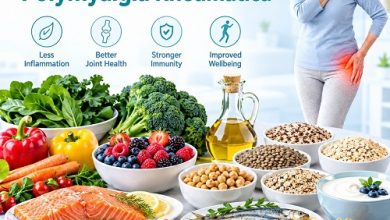
There is no specific food or eating plan proven to cure polymyalgia rheumatica. However, a balanced eating pattern that emphasises vegetables, fruits, whole grains, healthy fats, and adequate protein can be a useful part of a healthy lifestyle. Diet for Polymyalgia Rheumatica, including foods to consider, nutrients that may be important, foods to limit, and simple ways to build balanced meals.
What Is Polymyalgia Rheumatica?
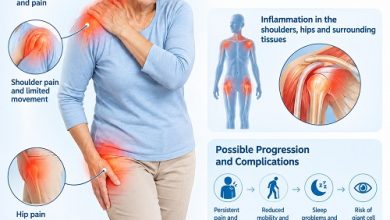
What Is Polymyalgia Rheumatica? Polymyalgia rheumatica is an inflammatory rheumatic condition that primarily affects adults over the age of 50. It often causes aching and stiffness in areas such as the shoulders, neck, hips, and thighs. Morning stiffness can be particularly noticeable and may make everyday movements more difficult.
PMR is different from ordinary muscle soreness. The condition involves inflammation and requires appropriate medical assessment and treatment.
Some people with PMR may also develop giant cell arteritis (GCA), a related inflammatory condition affecting blood vessels. New severe headaches, scalp tenderness, jaw pain while chewing, or changes in vision require urgent medical attention.
Because PMR is an inflammatory condition, people often search for an anti-inflammatory diet or specific foods for Polymyalgia Rheumatica. While nutrition cannot replace medical treatment, a nutrient-rich diet can support general wellbeing during treatment.
Can Diet Help Polymyalgia Rheumatica?
Diet cannot currently be considered a cure for PMR. There is also no universally recommended Polymyalgia Rheumatica diet that has been proven to control the disease on its own.
Nevertheless, dietary choices can matter for several reasons.
Corticosteroid treatment, which is commonly prescribed for PMR, can affect appetite, blood glucose, blood pressure, bones, and body weight in some people. A balanced diet can therefore be particularly useful during treatment.
A healthy eating pattern may help you:
- Maintain a healthy body weight
- Get enough protein
- Support bone health
- Obtain essential vitamins and minerals
- Increase fibre intake
- Support cardiovascular health
- Reduce excessive intake of added sugar and saturated fat
- Maintain steady energy levels
The goal is not to follow a restrictive diet. Instead, focus on a varied pattern of nutritious foods.
1. Eat Plenty of Vegetables
Vegetables are an important part of an anti-inflammatory diet because they provide fibre, vitamins, minerals, and plant compounds.
Try to include a variety of colours rather than relying on just one or two vegetables.
Good options include:
- Spinach
- Kale
- Broccoli
- Cauliflower
- Carrots
- Bell peppers
- Tomatoes
- Courgettes
- Green beans
- Cabbage
- Sweet potatoes
- Mushrooms
Dark green vegetables can provide nutrients such as folate, vitamin K, and magnesium. Other vegetables provide vitamin C, potassium, and various antioxidant compounds.
If stiffness makes cooking difficult, frozen vegetables can be a convenient alternative to fresh produce.
2. Include Fruits in Your Daily Meals
Fruit can also contribute to a healthy Polymyalgia Rheumatica diet. Fruits provide fibre, vitamins, minerals, and naturally occurring plant compounds.
Consider adding:
- Berries
- Apples
- Oranges
- Pears
- Kiwi
- Cherries
- Grapes
- Pomegranate
- Bananas
Whole fruit is generally preferable to fruit juice because it contains more fibre and tends to be more filling.
For an easy breakfast, you could combine berries with plain yoghurt and oats. Alternatively, add chopped fruit to a meal or have a piece of fruit as a snack.
3. Choose Whole Grains
Whole grains can provide fibre, complex carbohydrates, vitamins, and minerals.
Examples include:
- Oats
- Brown rice
- Wholegrain bread
- Wholewheat pasta
- Barley
- Quinoa
- Bulgur
- Wholegrain cereals
Replacing refined grains with wholegrain alternatives can be a simple way to improve overall diet quality.
For example, choose oatmeal rather than a highly sweetened breakfast cereal, or brown rice instead of refined white rice when suitable for your dietary needs.
4. Choose Healthy Sources of Fat
Healthy fats are another useful component of an anti-inflammatory diet.
Sources include:
- Extra-virgin olive oil
- Walnuts
- Almonds
- Chia seeds
- Flaxseeds
- Avocado
- Pumpkin seeds
- Sesame seeds
Fat is calorie-dense, so portions still matter if you are trying to maintain or lose weight.
Rather than adding large amounts of oil to meals, use moderate quantities and combine healthy fats with vegetables, whole grains, and protein.
5. Consider Fatty Fish
Fatty fish are among the foods commonly included in healthy dietary patterns because they provide protein and omega-3 fatty acids.
Examples include:
- Salmon
- Sardines
- Mackerel
- Trout
- Herring
Omega-3 fatty acids are involved in normal biological processes related to inflammation. However, eating fish should not be presented as a Treatment for Polymyalgia Rheumatica.
A practical goal for many people is to include fish regularly as part of an overall balanced eating pattern, provided there are no dietary restrictions or allergies.
If you do not eat fish, plant sources such as chia seeds, flaxseeds, and walnuts can provide alpha-linolenic acid (ALA), a plant-based omega-3 fatty acid.
6. Get Enough Protein
Adequate protein is important for maintaining muscle mass and supporting normal body functions.
This can be particularly relevant when pain and stiffness reduce physical activity.
Useful protein sources include:
- Eggs
- Fish
- Chicken
- Turkey
- Beans
- Lentils
- Chickpeas
- Greek yoghurt
- Plain yoghurt
- Cottage cheese
- Tofu
- Nuts and seeds
Try to include a source of protein at each main meal.
For example, breakfast could include eggs or yoghurt, lunch could include lentils or chicken, and dinner could include fish, beans, or tofu.
7. Pay Attention to Calcium and Vitamin D
Bone health deserves particular attention for people taking corticosteroids over an extended period. These medicines can increase the risk of bone loss in some individuals.
Calcium-rich foods include:
- Milk
- Yoghurt
- Cheese
- Calcium-fortified plant drinks
- Tofu made with calcium
- Sardines with bones
- Some leafy green vegetables
Vitamin D is also important for normal bone health.
Sources include:
- Oily fish
- Egg yolks
- Fortified foods
- Some mushrooms
Sunlight contributes to vitamin D production, although the amount produced varies according to factors such as season, location, skin characteristics, and lifestyle.
Your doctor may recommend vitamin D or calcium supplements depending on your individual risk factors and treatment.
8. Choose Foods Rich in Fibre
Fibre supports digestive health and can help with fullness and overall dietary quality.
Good sources include:
- Vegetables
- Fruits
- Beans
- Lentils
- Chickpeas
- Oats
- Barley
- Whole grains
- Nuts
- Seeds
Increase fibre gradually if your current diet is low in it, and drink adequate fluids unless you have been advised to restrict them.
9. Drink Enough Water
Hydration is sometimes overlooked when discussing nutrition for Polymyalgia Rheumatica.
Water is essential for normal body functions. Older adults may also experience reduced thirst compared with younger people.
Instead of relying heavily on sugary drinks, make water your primary beverage when appropriate.
Other options include unsweetened tea, herbal tea, and water-rich foods such as fruit and vegetables.
If you have a medical condition that requires fluid restriction, follow your healthcare professional’s advice.
10. Foods to Limit
A healthy Polymyalgia Rheumatica diet is not only about what you add. It can also help to reduce foods that provide a lot of calories, added sugar, sodium, or saturated fat without supplying many essential nutrients.
Consider limiting:
- Sugary drinks
- Sweets and confectionery
- Highly processed snacks
- Excessive fried foods
- Processed meats
- Large amounts of refined carbohydrates
- Foods high in added salt
- Excessive alcohol
You do not necessarily need to eliminate every food in these categories. A sustainable diet is generally easier to maintain than an extremely restrictive one.
Corticosteroids and Healthy Eating
Many people with PMR receive corticosteroids such as prednisolone. These medicines can be highly effective for controlling Polymyalgia Rheumatica symptoms, but long-term use can have important side effects.
Depending on the person and duration of treatment, corticosteroids may affect:
- Blood glucose
- Blood pressure
- Appetite
- Body weight
- Bone health
- Muscle health
For this reason, nutrition becomes especially important during treatment.
A diet containing adequate protein, calcium-rich foods, vegetables, fruits, whole grains, and healthy fats can support overall health.
If corticosteroids are affecting your blood sugar, blood pressure, weight, or bones, discuss the issue with your healthcare professional rather than changing or stopping your medication yourself.
A Simple Day of Meals
Here is an example of how the principles of a Diet for Polymyalgia Rheumatica can be applied.
Breakfast
Oatmeal topped with berries, chia seeds, and plain yoghurt.
Lunch
A large vegetable and chickpea salad with wholegrain bread and a small amount of olive oil-based dressing.
Snack
An apple with a small handful of unsalted almonds.
Dinner
Grilled salmon with brown rice and steamed broccoli, carrots, and other vegetables.
Evening option
Plain yoghurt with fruit if you need an additional snack.
This is only an example. Portion sizes and food choices should be adjusted according to your age, activity level, medical conditions, medications, allergies, and personal dietary preferences.
Mediterranean-Style Eating and PMR
People looking for an anti-inflammatory diet often come across the Mediterranean-style eating pattern.
This approach generally emphasises:
- Vegetables
- Fruits
- Whole grains
- Beans and lentils
- Nuts and seeds
- Olive oil
- Fish
- Moderate amounts of dairy and poultry
It also tends to limit highly processed foods, excessive added sugar, and large amounts of processed meat.
A Mediterranean-style pattern can be a practical framework for healthy eating. However, it should not be described as a proven treatment or cure for polymyalgia rheumatica.
What About Supplements?
Some people with PMR consider supplements because they want additional nutritional support.
However, supplements are not automatically safe simply because they are labelled natural.
Before taking supplements, discuss them with your doctor or pharmacist, particularly if you take corticosteroids or other medicines.
You may need specific nutrients based on blood tests, diet, age, bone-health risk, or other medical factors. Taking unnecessary high-dose supplements can create risks and may interact with medicines.
Food should generally be the first source of nutrients unless a healthcare professional recommends supplementation.
Foods for Polymyalgia Rheumatica: What Should You Remember?
There is no single food that can eliminate PMR. Instead, think about your overall dietary pattern.
A useful approach is to build meals around:
Half the plate: vegetables and/or fruit
One quarter: protein such as fish, chicken, beans, lentils, eggs, or tofu
One quarter: whole grains or other nutritious carbohydrate sources
Add a moderate amount of healthy fat, such as olive oil, nuts, seeds, or avocado.
This approach provides a variety of nutrients without requiring an unnecessarily complicated diet.
Lifestyle Habits That Complement Good Nutrition
Nutrition is only one part of supporting health while living with PMR.
Depending on your symptoms and your healthcare professional’s recommendations, useful habits may include:
- Following your prescribed treatment
- Staying physically active within your abilities
- Performing appropriate stretching or strengthening exercises
- Getting adequate sleep
- Maintaining a healthy body weight
- Avoiding smoking
- Limiting excessive alcohol
- Attending medical appointments
- Monitoring health issues associated with long-term corticosteroid use
Exercise should be adjusted according to your symptoms and physical ability. If pain or stiffness is significant, ask your healthcare professional or physiotherapist for appropriate guidance.
When Should You Seek Medical Advice?
Dietary changes should never delay medical assessment for symptoms that could indicate PMR or another condition.
If you develop persistent shoulder or hip stiffness, unexplained muscle-area pain, or significant morning stiffness, speak with a healthcare professional.
If you have already been diagnosed with PMR, seek urgent medical attention if you develop symptoms that could suggest giant cell arteritis, including:
- A new or severe headache
- Scalp tenderness
- Jaw pain while chewing
- Double vision
- Loss or sudden change of vision
These symptoms can require prompt treatment to reduce the risk of serious complications.
Final Thoughts
A Diet for Polymyalgia Rheumatica should focus on overall nutritional quality rather than a single “miracle” food or restrictive eating plan. Vegetables, fruits, whole grains, healthy fats, adequate protein, and nutrient-rich foods can form the foundation of a balanced approach.
An anti-inflammatory diet may be a useful way to organise healthy food choices, but nutrition should be viewed as supportive rather than a replacement for medical treatment.
If you are taking corticosteroids, pay particular attention to overall calorie intake, protein, calcium, vitamin D, blood glucose, blood pressure, and bone health. Your healthcare professional can help determine whether you need additional nutritional support or supplements.
Ultimately, the best Polymyalgia Rheumatica diet is one that is nutritious, sustainable, and suited to your individual health needs. Work with your doctor or a registered dietitian when you need personalised dietary advice, especially if you have other medical conditions or take long-term medication.