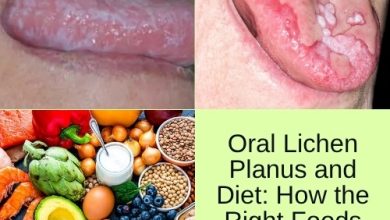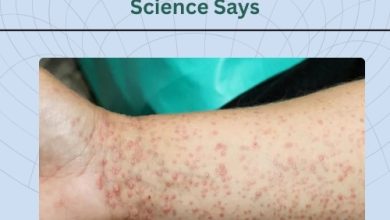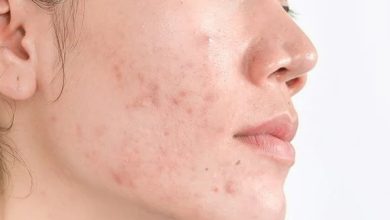


Herbal Remedies for Lichen Planus is a skin condition that can cause an itchy rash on your skin, mouth, or genitals. The disease often goes away on its own, but sometimes it lasts for years and can be very uncomfortable, mainly when it affects sensitive areas like the mouth or genitals. However, plenty of natural herbal remedies for lichen planus are available if you’re suffering from this condition and want to try something different than conventional treatments like corticosteroids and oral medications.
1) Aloe Vera
Aloe Vera is one of the most well-known Herbal Remedies for Lichen Planus because of its anti-inflammatory properties. According to herbalist Juliette de Bairacli Levy, Aloe Vera offers other benefits that can help reduce inflammation and manage pain. For example, Aloe Vera has been used in both Chinese and Indian medicine as a treatment for burns and wounds; it’s even been used as an oral health remedy.
2) Chamomile
One of the most effective herbs you can use to treat lichen planus is chamomile. Its anti-inflammatory and antifungal properties help reduce the itching and irritation experienced with lichen planus. It has been shown that chamomile has many compounds, including flavonoids and essential oils, which all have antifungal properties. It also acts as an antibacterial against several bacteria strains. The tannins in chamomile tea promote wound healing and may help speed up your recovery time from lichen planus lesions.
Chamomile is the perfect herb for lichen planus because it relieves the symptoms and speeds up healing when used topically or internally.
3) Burdock
Burdock is a powerful herb used in herbal remedies for lichen planus to improve skin health, specifically psoriasis and lichen planus. The plant’s roots have long been ground into a poultice or tea and applied topically to eliminate excess bacteria from the skin’s surface. Topical applications such as this can be beneficial for eczema, as well. Burdock is also found naturally in throat lozenges and cough drops.
In Eastern medicine, burdock is considered beneficial for several purposes, such as healing abscesses, purging toxins from the digestive tract, stabilizing blood sugar levels, and regulating blood pressure.
4) Chamomile Tea
Chamomile Tea is one of the most popular herbs used in teas because it provides a soothing effect on the body. Traditionally, chamomile tea has been used as an Herbal Supplement for Lichen Planus because it works wonders on the gut. Chamomile contains powerful anti-inflammatory properties that help in promoting and encourage healing throughout the body. With its ability to soothe allergies, headaches, stomach pains, cramps, and menstrual discomfort – along with taking care of inflammation from lichen planus – chamomile is a perfect herbal solution for people who suffer from this condition.
5) Epsom Salt Baths
Because Epsom salt is a laxative, it can help with symptoms associated with constipation. It also helps reduce the itchiness caused by lichen planus. To bathe, add 2 cups of Epsom salt to a hot bath and soak for 15-20 minutes before rinsing off. For a more effective soak, try adding other herbs like lavender oil, whole milk, or brown sugar, which have soothing effects on the skin.
6) Nettle Leaf Tea
Nettle leaf tea is a popular herbal supplement for lichen planus. Drinking nettle leaf tea has long been used as a folk remedy. Nettle leaves are astringent and can soothe itching, inflammation, pain, and skin redness caused by lichen planus.
Dried nettle leaves are steeped in boiling water or made into a tincture. The tea typically contains 2 ounces of dried nettle leaves steeped in a quart of boiled water, with the mixture then being strained before drinking. You should drink enough liquid, such as fruit juice or vegetable soup, when ingesting this treatment for better digestion, appetite, and hydration.
7) Hydrogen Peroxide Mixture
You might find some relief from taking a few herbs, drinking plenty of fluids, and getting plenty of rest. The first step is to choose the right herbal supplement for lichen planus. On the Herbs Solutions by Nature website, you’ll find ten popular herbs that may be good candidates, including Blessed Thistle, Turmeric Root Powder, Larch Tree Bark Extract, Oregon Grape Root Powder, and more. These herbs have been selected because they’re natural remedies and contain compounds known as bioflavonoids. They are soothing or stimulating medicines that can help alleviate some of your discomforts while treating the root cause simultaneously.
8) Stinging Nettle Poultice
Stinging nettle poultice is an herbal supplement for lichen planus that Native Americans traditionally used as a medicine. As a folk remedy, the leaves of the stinging nettle are mashed with garlic and applied to the affected area to help reduce pain. With lichen planus, You can use topical creams, but you’ll need something more potent like this poultice. Here are some other herbal remedies you can try too!
9) Magnesium Cream or Oil
There are a variety of herbal treatments that can help the symptoms associated with lichen planus. Many herbalists recommend using magnesium cream or oil topically, which reduces inflammation and has an anti-itch effect. Plus, it won’t irritate sensitive skin. Some other popular herbs are aloe vera, turmeric, and ginger root. They’re all found in Nature’s Solutions by Nature’s herbal supplement for lichen planus and can provide soothing relief.
10) Sandalwood Powder
Lichen planus is a skin condition that often causes sore, red patches and streaks. Sandalwood powder is one of the best ways to stop the pain caused by lichen planus. Sandalwood powder has been used in Ayurvedic medicine since ancient times as a treatment for many skin conditions. It has antibacterial properties, and it’s also a natural anti-inflammatory. To make sandalwood powder, dry some powdered sandalwood, add it to boiling water, and remove it from heat as soon as the powder dissolves. Let it steep until cooled, then strain and store in a jar with a tight lid.
Medical Disclaimer
The information provided in this article is for educational and informational purposes only and is not intended to replace professional medical advice, diagnosis, or treatment. The content published on Herbs Solutions by Nature is based on general information about herbs, natural remedies, wellness, and health.
Although we strive to provide accurate and up-to-date information, we make no guarantees regarding the completeness, reliability, or effectiveness of any information presented. Natural herbs and remedies may cause side effects, allergic reactions, or interactions with medications and may not be suitable for everyone.
Always consult a qualified healthcare professional before using any herbal remedy, dietary supplement, or natural treatment, especially if you are pregnant, breastfeeding, taking medication, have an existing medical condition, or are considering treatment for a child.
Never disregard professional medical advice or delay seeking medical care because of information you have read on this blog. Any use of the information provided is at your own discretion and risk.
Herbs Solutions by Nature does not claim to diagnose, treat, cure, or prevent any disease through the information shared on this blog. The author and website are not responsible for any adverse effects, losses, or damages resulting from the use or misuse of the information provided.