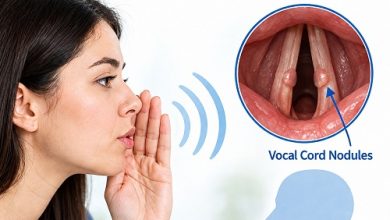


Your voice is an important part of everyday communication, particularly if your job involves speaking for several hours. Teachers, doctors, customer service representatives, trainers, sales professionals, public speakers and office workers often use their voices throughout the day. Continuous talking can place considerable pressure on the vocal cords, leading to hoarseness, throat dryness, irritation and tiredness.
Learning How to protect your voice is essential for maintaining clear speech and preventing unnecessary vocal strain. Your voice depends on the coordinated movement of the vocal folds, airflow from your lungs and muscles in your throat and mouth. When you speak for extended periods without sufficient rest, these structures can become tired and irritated.
Fortunately, simple daily habits can help maintain vocal health. Drinking enough water, taking regular speaking breaks, using proper breathing techniques and avoiding unnecessary shouting can make a significant difference. Understanding Voice care techniques and recognising the early signs of vocal fatigue can also help you maintain a healthy speaking voice.
Stay Hydrated Throughout the Day
Hydration is one of the most important parts of maintaining vocal health. Your vocal folds need a healthy, moist surface to vibrate efficiently when you speak. When your body does not receive enough fluids, your throat may feel dry, and speaking can become uncomfortable.
If your job requires continuous communication, keep a bottle of water nearby. Take small sips regularly rather than waiting until you feel thirsty. Make drinking water part of your daily routine, especially during long meetings, teaching sessions or telephone conversations.
Warm or room-temperature water may feel soothing if your throat is irritated. However, there is no need to avoid cold water if you find it comfortable.
Limit excessive caffeine if it affects your hydration, sleep or throat comfort. Alcohol can also contribute to dehydration and may irritate the throat.
Remember that drinking water supports overall hydration, but it does not immediately coat or directly lubricate the vocal folds. Consistent hydration throughout the day is more helpful than drinking a large amount at once.
Take Regular Voice Breaks
Speaking continuously for hours can place repeated demands on your vocal muscles. Even if you do not experience pain, your voice may gradually become tired, weak or rough.
One of the most practical ways to protect your voice is to schedule short periods of vocal rest. After a long conversation, presentation or meeting, give your voice a few minutes to recover.
During breaks, avoid unnecessary talking, phone calls and loud conversations. If possible, communicate through written messages when you need to reduce your speaking time.
Teachers can use classroom activities that allow students to work independently. Customer service professionals may benefit from alternating telephone duties with administrative tasks.
Do not wait until your voice becomes completely exhausted before taking a break. Regular rest can help reduce excessive vocal effort and make it easier to speak comfortably throughout the day.
Use Proper Breathing Techniques
Healthy speech begins with efficient breathing. Your lungs provide the airflow needed to produce sound, while your vocal folds work together to create voice.
When you speak using shallow breathing, you may compensate by tightening your throat and neck muscles. This can increase vocal effort, especially when speaking for extended periods.
Practise comfortable diaphragmatic breathing by allowing your abdomen to expand gently as you breathe in. Avoid forcing your breath or lifting your shoulders unnecessarily.
Before beginning a presentation or long conversation, take a relaxed breath and start speaking without pushing your voice.
Try the following simple technique:
- Sit or stand comfortably with your shoulders relaxed.
- Breathe in gently through your nose.
- Allow your lower ribs and abdomen to expand naturally.
- Begin speaking as you breathe out.
- Pause when you need another breath instead of forcing yourself to finish a long sentence.
Good breath support can help you maintain a steady speaking voice without unnecessary tension.
Avoid Shouting and Speaking Too Loudly
Shouting places additional stress on your vocal folds. Repeatedly raising your voice can contribute to irritation, hoarseness and vocal fatigue.
If you work in a noisy environment, avoid competing with background sounds by speaking louder. Instead, move closer to the person you are addressing, reduce background noise or use a microphone.
Teachers, coaches and public speakers should consider using amplification systems when addressing large groups.
When speaking on the telephone, use a comfortable volume. There is no need to force your voice to sound louder than normal.
Also, avoid whispering when your voice is tired or hoarse. Whispering can increase muscular tension in some people and is not necessarily a restful alternative to speaking. Gentle silence is generally a better choice when your voice needs recovery.
Practise Gentle Vocal Warm-Ups
Just as athletes prepare their muscles before physical activity, people who speak professionally can benefit from gentle vocal warm-ups.
A short warm-up can help you begin speaking with less effort and encourage comfortable vocal production.
Some useful exercises include:
- Gentle humming: Hum softly at a comfortable pitch for a few seconds.
- Lip trills: Blow air through loosely closed lips to create a gentle vibrating sound.
- Easy pitch glides: Move gently between comfortable low and high notes without straining.
- Relaxed breathing: Take a few slow, comfortable breaths before speaking.
Start with a few minutes of gentle exercises. Stop if you experience discomfort, pain or increased hoarseness.
If you regularly experience voice problems, a speech and language therapist with experience in voice disorders can recommend exercises suited to your needs.
Maintain Good Posture While Speaking
Your posture can influence breathing, muscle tension and the effort required to produce speech.
Sitting with rounded shoulders or leaning forward for long periods may restrict comfortable breathing and contribute to tension in your neck and upper body.
Maintain a relaxed, upright posture when speaking. Keep your shoulders loose, your head comfortably aligned and your jaw relaxed.
If you work at a computer, adjust your screen so that you do not need to bend your neck forward. During telephone calls, avoid holding your phone between your shoulder and ear.
When presenting or teaching, distribute your weight evenly and avoid locking your knees. Comfortable posture helps you breathe naturally and speak with greater ease.
Reduce Throat Clearing and Coughing
Frequent throat clearing can irritate the vocal folds because it brings them together forcefully. Repeated coughing can also place additional pressure on your voice.
Some people clear their throats because of dryness, allergies, postnasal drip or acid reflux. Others develop the habit without realising how frequently they do it.
Instead of repeatedly clearing your throat, try taking a sip of water or swallowing gently. A gentle, relaxed exhalation may also help when you feel the need to clear your throat.
If you have persistent throat irritation, frequent coughing or a sensation of mucus in your throat, consider discussing these symptoms with a healthcare professional.
Treating the underlying cause is more helpful than repeatedly forcing your throat to clear.
Manage Vocal Fatigue Before It Gets Worse
Vocal fatigue occurs when speaking becomes increasingly difficult or requires more effort than usual. You may notice that your voice feels weak, your throat becomes tired or your speaking volume decreases as the day progresses.
Common signs include:
- A tired or strained feeling after speaking.
- Hoarseness or a rough-sounding voice.
- Reduced vocal strength.
- Difficulty maintaining your usual speaking pitch.
- Increased effort when talking.
- Throat discomfort after long conversations.
If you notice these Vocal Cord Nodules symptoms, reduce your speaking time and allow your voice to rest.
Avoid trying to push through persistent hoarseness by speaking louder. If symptoms continue, seek an assessment from an appropriate healthcare professional.
Recognising early signs of vocal fatigue is an important part of protecting your voice during demanding working days.
Avoid Smoking and Second-Hand Smoke
Smoking exposes your throat and vocal folds to chemicals that can cause irritation and inflammation. It may also contribute to chronic coughing, throat dryness and changes in voice quality.
Second-hand smoke can also irritate your respiratory system.
If you smoke, stopping can improve your overall respiratory and vocal health. Avoid smoky environments whenever possible, particularly if you use your voice professionally.
Vaping and other inhaled substances may also irritate the respiratory tract. Avoid assuming that they are harmless alternatives for vocal health.
Protecting your voice means reducing exposure to environmental irritants that can affect your throat and breathing.
Be Careful with Foods and Drinks That Trigger Reflux
Acid reflux occurs when stomach contents move backwards into the oesophagus. In some people, reflux can also be associated with throat symptoms, including irritation, coughing and hoarseness.
If you notice that certain foods or drinks trigger reflux symptoms, consider limiting them. Common triggers can include spicy meals, high-fat foods, chocolate, caffeine and acidic foods, although individual responses vary.
Avoid eating large meals immediately before lying down. If you experience nighttime reflux, leaving approximately three hours between your last meal and bedtime may help.
Not everyone with throat irritation has acid reflux. Persistent hoarseness should not automatically be attributed to reflux without an appropriate medical assessment.
Keep Your Working Environment Comfortable
Your surroundings can influence how comfortable your voice feels during long speaking sessions.
Dry indoor air, dust, smoke and other irritants may contribute to throat discomfort. Air conditioning and heating can also make some people feel that their throat is dry.
Consider these practical adjustments:
- Keep drinking water within easy reach.
- Maintain comfortable indoor humidity.
- Avoid direct airflow from fans or air-conditioning units towards your face.
- Keep your workspace clean and reduce exposure to dust.
- Use a microphone when speaking to large groups.
- Take short breaks away from noisy environments.
A humidifier may help if indoor air is particularly dry, provided that it is cleaned and maintained properly.
Use Microphones and Communication Tools
People who speak professionally should not rely entirely on their natural vocal volume to communicate with large audiences.
A microphone or headset can reduce the need to project your voice. Teachers, trainers, tour guides and public speakers may find amplification particularly useful.
For online meetings, use a suitable microphone and headset so that participants can hear you clearly without needing you to raise your voice.
You can also reduce unnecessary speaking by using presentation slides, written instructions, visual demonstrations and digital messages.
These adjustments help distribute your communication workload and reduce the amount of continuous talking required.
Develop a Daily Voice Care Routine
Consistency is more important than relying on occasional remedies. Developing a simple daily routine can help you protect your voice before problems develop.
In the morning: Drink water, practise relaxed breathing and perform a few gentle vocal warm-ups if comfortable.
During working hours: Keep water nearby, maintain good posture and avoid unnecessary shouting. Take short breaks between demanding speaking sessions.
During meetings: Use a microphone when appropriate, speak at a comfortable volume and pause naturally between sentences.
After work: Reduce unnecessary conversations if your voice feels tired. Avoid smoking and other throat irritants.
Before bedtime: Allow your voice to rest and avoid late meals if you experience reflux symptoms.
Adjust your routine according to your occupation and individual vocal needs.
Natural Treatment for Vocal Cord Nodules
Natural Remedies for Vocal Cord Nodules focus on reducing vocal strain, soothing throat irritation, and supporting healthy voice function. Vocal cord nodules often develop because of repeated vocal misuse, excessive talking, shouting, or prolonged singing. Although natural approaches may help relieve irritation and support recovery, they cannot replace professional voice therapy or medical treatment.
One of the most important steps is giving your voice adequate rest. Avoid shouting, whispering, and speaking for long periods. Drink plenty of water throughout the day to keep your vocal cords hydrated. Warm herbal teas with honey may help soothe throat discomfort. Avoid smoking, alcohol, and excessive caffeine, as these can contribute to throat irritation or dryness.
Using a humidifier can also help maintain moisture in the air and reduce throat dryness. Practising gentle breathing techniques and following a speech-language pathologist’s voice exercises may improve vocal habits and reduce unnecessary strain.
Natural Remedies for Vocal Cord Nodules work best alongside proper vocal care and professional guidance. Consult an ENT specialist for an accurate diagnosis and personalised treatment plan. Seek medical advice if hoarseness persists for more than four weeks, or sooner if you experience breathing or swallowing difficulties.
When Should You See a Voice Specialist?
Occasional voice tiredness after a particularly busy day may improve with rest and better speaking habits. However, persistent voice changes should not be ignored.
Consult a healthcare professional if you experience ongoing hoarseness, repeated voice loss, throat pain, difficulty speaking or other unexplained changes in your voice.
An ear, nose and throat specialist may examine your larynx and vocal folds to identify possible causes. A speech and language therapist who specialises in voice disorders may also help you improve your speaking technique.
Seek prompt medical attention if you experience difficulty breathing, noisy breathing or significant difficulty swallowing.
Persistent hoarseness lasting more than three weeks warrants medical evaluation, particularly if you smoke or have other risk factors. Do not attempt to diagnose vocal nodules, vocal polyps or other voice disorders based on symptoms alone.
Conclusion
Learning How to protect your voice while speaking all day can help you maintain comfortable communication and reduce unnecessary vocal strain. Staying hydrated, taking regular breaks, using proper breathing techniques and avoiding shouting are practical habits that support vocal health.
Understanding Voice care techniques and recognising the early signs of vocal fatigue can also help you identify when your voice needs rest. Remember that your voice is an important part of your professional and personal life, so give it the care and attention it deserves.
If you experience persistent hoarseness, pain or repeated voice loss, seek professional medical advice rather than relying solely on home remedies. With consistent care and healthy speaking habits, you can support your voice throughout your daily activities.
Medical Disclaimer
The information provided in this article, “How to Protect Your Voice While Speaking All Day”, is intended for general educational and informational purposes only. It is not a substitute for professional medical advice, diagnosis or treatment. The voice care techniques, hydration recommendations, breathing exercises and vocal rest suggestions discussed in this article are intended to support general vocal health and should not be considered a cure for voice disorders or vocal cord conditions.
If you experience persistent hoarseness, vocal fatigue, throat pain, difficulty speaking or repeated voice loss, consult a qualified healthcare professional or an ear, nose and throat (ENT) specialist. Seek medical evaluation for hoarseness that persists for more than three weeks, or sooner if you experience concerning symptoms.
Always consult your healthcare provider before starting specific vocal exercises or treatment, particularly if you have an existing throat or voice condition. Never ignore professional medical advice or delay seeking treatment because of information published in this article.
The authors and publishers are not responsible for any adverse effects resulting from the use or misuse of the information provided.
Medical references
These reputable medical sources can support the health information in your article.
- National Institute on Deafness and Other Communication Disorders (NIDCD) – Taking Care of Your Voice. Covers hydration, vocal rest, smoking, and healthy voice habits.
Read NIDCD guidance. - American Speech-Language-Hearing Association (ASHA) – Voice Disorders. Explains vocal fatigue, vocal hygiene, voice therapy and prevention strategies.
Read ASHA clinical guidance. - American Academy of Otolaryngology–Head and Neck Surgery – Clinical Practice Guideline: Hoarseness (Dysphonia). Provides recommendations for evaluating persistent voice changes.
Read clinical guidelines. - New York University Langone Health – Preventing Benign Vocal Cord Lesions. Discusses hydration, vocal rest and avoiding excessive speaking volume.
Read prevention guidance. - National Institute on Deafness and Other Communication Disorders (NIDCD) – Teachers: Take Care of Your Voice. Discusses the vocal demands of occupations involving prolonged speaking.
Read guidance for teachers.