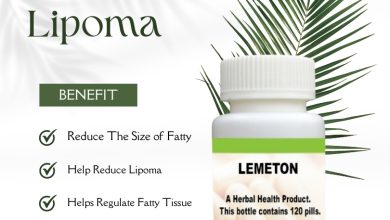


Lipomas are benign, fatty lumps that often develop under the skin. While they are usually harmless, some people may feel self-conscious about their appearance or experience discomfort due to their location. If you’re considering removing a lipoma at home, it’s crucial to approach the process with care to avoid complications. This guide will walk you through the steps to safely remove a lipoma yourself, as well as explore the role of herbal supplements for lipoma management.
Lipomas
Before attempting any removal, it’s important to understand what a lipoma is. A lipoma is a soft, movable lump made of fatty tissue. These lumps are generally painless and slow-growing, typically occurring in middle age. They are most often found on the neck, shoulders, back, abdomen, arms, and thighs.
Step-by-Step Guide to Removing a Lipoma Yourself
1. Assess the Lipoma
- Size and Location: Lipomas that are small (under 1 inch) and easily accessible might be suitable for self-removal. Larger or deeper lipomas should be evaluated by a healthcare professional.
- Risks: Consider the risks of infection, scarring, and incomplete removal. It’s essential to have a basic understanding of anatomy to avoid damaging underlying structures.
2. Gather Necessary Supplies
- Sterilized Surgical Tools: You’ll need a scalpel or a sharp, sterilized blade, antiseptic solution, sterile gloves, and gauze.
- Herbal Supplement for Lipoma: Some people use Herbal Supplement for Lipoma believed to shrink lipomas, like turmeric or chickweed. While there’s limited scientific evidence, these may complement your efforts.
3. Prepare the Area
- Clean the Skin: Thoroughly cleanse the area around the lipoma with antiseptic to minimize the risk of infection.
- Mark the Area: Use a sterilized marker to outline the lipoma, helping guide your incision.
4. Make the Incision
- Small Incision: Using a sterilized scalpel, make a small incision over the lipoma. The cut should be just deep enough to reach the fatty tissue, taking care not to go too deep.
- Remove the Lipoma: Gently squeeze the surrounding area to push the lipoma towards the surface. Use sterilized tweezers to grasp and remove the fatty tissue. Ensure you remove the entire lump to prevent regrowth.
5. Close and Dress the Wound
- Stitching (if necessary): For larger incisions, you may need to apply stitches. Smaller wounds may close with adhesive strips or surgical glue.
- Bandage: Apply a sterile bandage to protect the area from infection. Keep the wound clean and dry, changing the dressing daily.
6. Monitor for Complications
- Watch for Signs of Infection: Redness, swelling, or pus indicates infection. If you notice these signs, seek medical attention immediately.
- Scarring: To minimize scarring, apply a silicone-based gel or use natural remedies like aloe vera once the wound has closed.
Herbal Supplements for Lipoma
While removing a lipoma yourself can be effective, some individuals turn to herbal supplements for lipoma management. Supplements like turmeric, which contains curcumin, are believed to have anti-inflammatory and fat-reducing properties. Chickweed, another popular remedy, is thought to help dissolve fatty tissue when applied topically or taken as a supplement.
- Turmeric: Curcumin in turmeric may help reduce the size of lipomas when applied as a paste or taken orally.
- Chickweed: Available as an ointment or supplement, chickweed is often used in traditional medicine to reduce fatty deposits.
Note: The effectiveness of these supplements varies from person to person, and scientific evidence is limited. Always consult a healthcare provider before starting any herbal regimen, especially if you are taking other medications or have underlying health conditions.
Final Thoughts
Removing a lipoma yourself is possible but requires caution and attention to detail. Always prioritize safety, and consult a healthcare professional if you’re unsure about any step in the process. Additionally, incorporating herbal supplements for lipoma into your routine may support your efforts, though they should not replace professional medical advice or Natural Treatment for Lipoma.
By following this guide, you can safely manage lipomas at home while minimizing risks and complications.
Medical Disclaimer
The information provided in this article is for educational and informational purposes only and is not intended to replace professional medical advice, diagnosis, or treatment. The content published on Herbs Solutions by Nature is based on general information about herbs, natural remedies, wellness, and health.
Although we strive to provide accurate and up-to-date information, we make no guarantees regarding the completeness, reliability, or effectiveness of any information presented. Natural herbs and remedies may cause side effects, allergic reactions, or interactions with medications and may not be suitable for everyone.
Always consult a qualified healthcare professional before using any herbal remedy, dietary supplement, or natural treatment, especially if you are pregnant, breastfeeding, taking medication, have an existing medical condition, or are considering treatment for a child.
Never disregard professional medical advice or delay seeking medical care because of information you have read on this blog. Any use of the information provided is at your own discretion and risk.
Herbs Solutions by Nature does not claim to diagnose, treat, cure, or prevent any disease through the information shared on this blog. The author and website are not responsible for any adverse effects, losses, or damages resulting from the use or misuse of the information provided.