
Vocal cord nodules can affect your voice, making speaking, singing and everyday communication more difficult. You may notice persistent hoarseness, a rough voice, reduced vocal range or a feeling that speaking requires more effort than usual. These changes can be frustrating, particularly if your work or hobbies depend on your voice.
The good news is that vocal cord nodules can often improve without surgery. Reducing vocal strain, improving speaking habits and working with a voice therapist can help the vocal folds recover. However, nodules do not always disappear simply by waiting, and the outcome depends on the nature of the tissue changes and the habits that caused them.
If you are wondering, can vocal cord nodules go away without medical treatment, the answer is sometimes—but a proper diagnosis and an appropriate recovery plan offer a safer route to improvement.
What Are Vocal Cord Nodules?
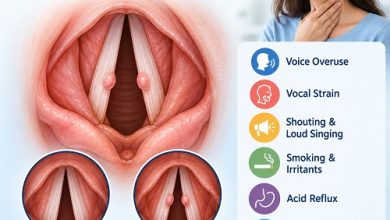
What Are Vocal Cord Nodules? Vocal cord nodules, also called vocal fold nodules, are benign growths that develop on the vocal folds inside the larynx, commonly known as the voice box. They often form on both vocal folds where the tissues repeatedly come into contact during speaking or singing.
You can think of them as similar to calluses that develop on the skin after repeated friction. When you repeatedly strain your voice, the delicate tissue covering the vocal folds can become irritated and develop small, firm swellings.
People who frequently use their voices may be more likely to develop nodules. These include:
- Teachers and lecturers who speak for long periods.
- Singers and other professional performers.
- Coaches, trainers and fitness instructors.
- Call-centre employees and customer service professionals.
- People who regularly shout or speak over background noise.
- Children who frequently yell or use their voices forcefully.
Nodules are non-cancerous, but they can interfere with the normal vibration of the vocal folds. This can change voice quality and make communication more tiring. Other vocal fold conditions, including polyps and cysts, can cause similar symptoms, so an examination is important before assuming that hoarseness is caused by nodules.
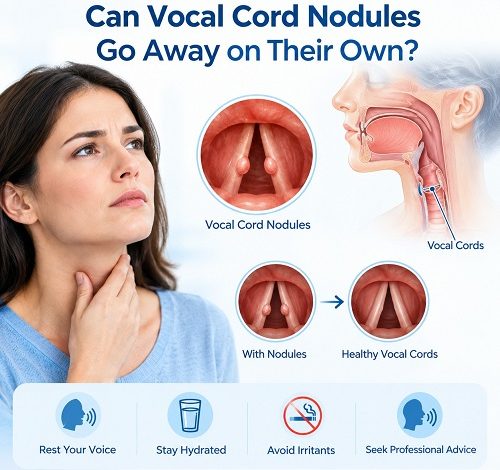
Can Vocal Cord Nodules Go Away on Their Own?
Yes, vocal cord nodules can sometimes shrink or resolve without surgery, especially when they are associated with ongoing vocal strain that can be corrected.
However, there is an important distinction between giving your voice a temporary rest and addressing the behaviour that caused the nodules. If you continue shouting, speaking loudly or singing with poor technique after a short break, the irritation may return.
Some people experience improvement after reducing excessive voice use and adopting healthier vocal habits. Others benefit from structured voice therapy to correct the way they produce sound. More established tissue changes may not disappear completely with conservative care alone.
Your chances of recovery may depend on:
- The size and duration of the nodules: Early changes may respond differently from longstanding, fibrous lesions.
- Your daily voice demands: People who speak or sing for hours may need a more structured recovery plan.
- Your vocal technique: Learning to speak with less strain can reduce repeated irritation.
- Other sources of irritation: Persistent coughing, smoke exposure or untreated reflux may contribute to ongoing symptoms.
- Consistency: Following a voice therapist’s advice can help you maintain healthier vocal habits.
Natural recovery is possible, but it should not mean ignoring persistent voice changes. An ENT specialist can examine your vocal folds and advise whether conservative treatment is appropriate.
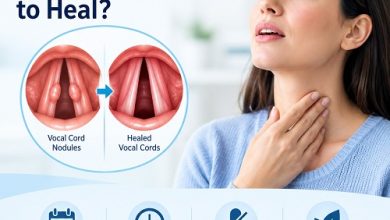
How Long Does Vocal Nodules Healing Take?
The time needed for vocal nodules to improve varies from person to person. It depends on how long the problem has been present, the severity of the tissue changes and whether you can reduce the strain placed on your voice.
Cleveland Clinic reports that vocal cord nodules commonly improve within approximately two to six months with voice therapy or vocal rest. This is a general estimate rather than a guaranteed recovery period.
Here is a general guide to the recovery process:
| Recovery stage | What you may notice |
| Initial adjustments | Less vocal fatigue as you reduce unnecessary strain |
| Early improvement | Speaking may become more comfortable, although hoarseness can persist |
| Continued rehabilitation | Better voice control and improved speaking or singing technique |
| Longer-term follow-up | A specialist assesses voice quality and whether the nodules have reduced |
These stages are illustrative, not a fixed medical timeline. Improvement in your voice does not necessarily prove that the nodules have disappeared.
If symptoms persist, recur or worsen, arrange a follow-up examination. Your clinician may recommend voice therapy, further assessment or another Vocal Cord Nodules treatment depending on the findings.
What Helps Vocal Nodules Recover Naturally?
Although there is no guaranteed home remedy that removes vocal cord nodules, several practical measures can support recovery by reducing irritation and preventing repeated vocal strain.
1. Reduce Excessive Voice Use
One of the most important steps is to reduce the activities that repeatedly stress your vocal folds.
If you have nodules, consider temporarily limiting prolonged conversations, loud speaking, shouting and demanding singing sessions. If your job requires constant talking, take short voice breaks where possible.
Your clinician may recommend a specific period of vocal rest. Follow their instructions rather than imposing complete silence for an extended period on your own.
Avoid whispering as a substitute for normal speech. Whispering can also strain the voice in some circumstances. If you need to communicate, ask your clinician or voice therapist which approach is appropriate during recovery.
2. Drink Enough Water
Adequate hydration supports the normal function of the tissues involved in voice production. Drinking water regularly throughout the day is a sensible part of vocal care.
You do not need to force excessive amounts of water. Instead, maintain normal hydration and adjust your intake according to your activity, environment and medical needs.
You can also consider using a humidifier if the air in your home or workplace is particularly dry.
Remember that hydration supports vocal health but does not directly dissolve established nodules. It should complement, rather than replace, appropriate assessment and treatment.
3. Stop Shouting and Speaking Over Noise
Repeatedly raising your voice increases the demands placed on your vocal folds. This can be particularly problematic if your voice is already hoarse or tired.
Try these adjustments:
- Move closer to the person you are speaking to.
- Reduce background noise before starting a conversation.
- Use a microphone when addressing a group.
- Avoid shouting across rooms or outdoor spaces.
- Pause regularly during long conversations.
- Stop singing when your voice becomes strained.
If you are a teacher, trainer or public speaker, simple workplace changes may help you protect your voice while continuing essential activities.
4. Learn Healthy Vocal Techniques
Voice therapy can help you understand how to produce sound with less unnecessary tension. A speech and language therapist who specialises in voice disorders can assess your speaking patterns and teach techniques suited to your needs.
Therapy may include breathing exercises, vocal exercises, posture adjustments, relaxation techniques and strategies for reducing strain.
For singers, treatment may also involve reviewing vocal warm-ups, performance schedules and singing technique.
Research indicates that voice therapy can improve voice quality and reduce the severity of vocal nodules, although improvement in symptoms does not always mean complete resolution of the tissue changes.
Do not start intensive vocal exercises from online videos without guidance if you have a diagnosed vocal fold injury. The wrong exercise or excessive practice could aggravate your symptoms.
5. Address Reflux, Allergies and Persistent Coughing
Gastro-oesophageal reflux, allergies and conditions that cause frequent coughing or throat clearing may contribute to irritation around the larynx.
If you experience recurring heartburn, a sensation of acid reaching your throat, nasal allergy symptoms or a persistent cough, discuss these problems with a healthcare professional.
Treatment should be based on the underlying cause. Acid-suppressing medicines, allergy treatments and other interventions are not necessary for everyone with vocal nodules.
Avoid repeatedly clearing your throat forcefully. If you feel the urge to clear it, ask your voice therapist about alternatives that are suitable for your condition.
6. Avoid Smoking and Irritating Substances
Tobacco smoke and second-hand smoke can irritate the vocal folds. Avoiding smoke is an important step towards better vocal health.
Also, be cautious with substances and medicines that can dry your mouth or throat. Some cold and allergy medicines may contribute to dryness, so ask a pharmacist or clinician whether your current products could be affecting your voice.
Do not stop prescribed medicines without professional advice.
These measures may improve the conditions needed for recovery, but they cannot guarantee that established nodules will disappear.
Can Natural Recovery Happen Without Voice Therapy?
Natural recovery may occur when you remove the source of repeated vocal injury and allow the tissues to recover. For example, someone who develops nodules after a period of frequent shouting may experience improvement after reducing vocal strain.
However, voice therapy offers an important advantage: it helps you identify and correct the habits that may have caused the problem.
Without that guidance, you might return to the same speaking or singing patterns as soon as your voice starts to feel better. This can lead to recurring symptoms or continued irritation.
A review of research on adult vocal nodules found that voice therapy can improve voice quality and reduce the extent of the vocal fold changes. It also noted that some structural changes may persist despite behavioural treatment.
For this reason, natural recovery and professional treatment do not have to be competing approaches. Healthy vocal habits, appropriate rest and specialist guidance can work together.
Vocal Nodules Healing: Foods, Habits and Home Care
A balanced diet and healthy daily habits can support general wellbeing while your voice recovers. However, no particular food has been proven to eliminate vocal cord nodules.
Choose a balanced, nutritious diet
Include a variety of vegetables, fruits, whole grains, protein-rich foods and healthy fats. These foods provide nutrients that support normal tissue maintenance and overall health.
You do not need a special diet solely because you have vocal nodules. If certain foods trigger your reflux symptoms, discuss suitable dietary adjustments with your healthcare professional.
Keep your environment comfortable
Dry air, dust, smoke and other irritants may aggravate some people’s throat symptoms. Consider reducing exposure to these triggers and maintaining a comfortable level of indoor humidity.
Get adequate sleep
Fatigue can affect breathing, concentration and vocal control. Sufficient sleep may help you maintain better voice habits throughout the day.
Avoid repeated throat clearing
Frequent, forceful throat clearing can create additional friction between the vocal folds. If you regularly experience mucus, coughing or a sensation of something stuck in your throat, ask a clinician to assess the cause.
What Is the Difference Between Vocal Rest and Voice Therapy?
Both approaches can be useful, but they serve different purposes.
| Vocal rest | Voice therapy |
| Reduces demands placed on the vocal folds | Helps improve how you produce sound |
| May be recommended for a limited period | Usually involves guided sessions and practice |
| Can reduce further irritation | Addresses harmful vocal habits and technique |
| Does not necessarily correct the cause of nodules | Helps you develop more sustainable voice-use habits |
The appropriate balance depends on your Vocal Cord Nodules diagnosis. Some people need temporary rest before beginning exercises, while others can start supervised therapy as part of their treatment plan.
Avoid testing your voice repeatedly to see whether it has recovered. If you are a singer, resist the temptation to return immediately to high notes or long rehearsals as soon as your voice sounds clearer.
Do Vocal Cord Nodules Always Need Surgery?
No. Surgery is not usually the first treatment for typical vocal cord nodules. Many people improve with voice therapy and changes to their vocal habits.
An ENT specialist may consider a procedure if the nodules persist despite appropriate conservative treatment, if the diagnosis is uncertain or if the findings suggest a different type of lesion.
This distinction matters because vocal nodules, polyps and cysts are different conditions. They may cause similar symptoms, but their treatment and likelihood of responding to voice therapy can differ.
If surgery is recommended, ask about its potential benefits, risks, recovery requirements and the role of voice therapy before and after the procedure.
Surgery does not remove the need for healthy vocal habits. Continued vocal strain can contribute to further injury, even after a procedure.
How Are Vocal Cord Nodules Diagnosed?
Hoarseness alone cannot confirm the presence of vocal cord nodules. Similar symptoms can occur with laryngitis, vocal polyps, cysts, reflux-related irritation and other voice disorders.
An ENT specialist may:
- Ask when your Vocal Cord Nodules symptoms began and how you use your voice.
- Review your medical history, including smoking, reflux, allergies and recent respiratory infections.
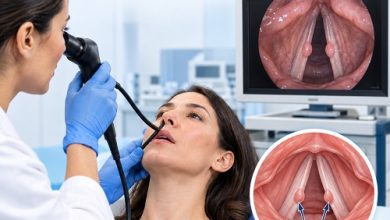
- Examine your vocal folds using laryngoscopy.
- Recommend videostroboscopy, when appropriate, to assess vocal fold vibration.
- Refer you to a voice-specialised speech and language therapist for assessment and treatment.
Direct examination is particularly important if your voice changes persist or you rely on your voice professionally.
When should you see a doctor?
Arrange a medical assessment if you have hoarseness or other unexplained voice changes lasting more than two to three weeks. Do not assume that persistent symptoms are simply vocal nodules.
Seek prompt medical attention for sudden voice loss during strenuous vocal activity, as this can sometimes indicate vocal fold bleeding. If you have difficulty breathing or significant difficulty swallowing, seek urgent medical care.
Natural Treatment for Vocal Cord Nodules
Vocal cord nodules are small, benign growths that develop on the vocal cords, often due to voice strain, shouting, or prolonged speaking. They may cause hoarseness, a rough voice, vocal fatigue, and difficulty speaking clearly. Although some nodules improve with appropriate care, persistent symptoms require professional assessment.
Natural Remedies for Vocal Cord Nodules mainly focus on reducing vocal strain and supporting healthy voice function. One of the most important steps is voice rest. Avoid shouting, prolonged talking, and whispering, as whispering can also strain the vocal cords.
Staying hydrated helps keep the throat moist and supports comfortable voice production. Drink water regularly throughout the day. Using a clean humidifier may also help relieve dryness, particularly in dry environments.
Avoid smoking, second-hand smoke, and other throat irritants. Limiting excessive caffeine may help if it contributes to dehydration. Gentle breathing exercises and voice therapy guided by a qualified speech and language therapist can support healthier speaking habits.
Managing acid reflux, when present, may also help reduce throat irritation. However, natural approaches cannot guarantee that nodules will disappear.
If hoarseness persists for more than three weeks, consult an ear, nose and throat specialist. A clinician can examine the vocal cords and recommend appropriate treatment. Natural care should complement, not replace, professional medical advice.
Can Vocal Cord Nodules Come Back After Healing?
Yes, they can recur if the factors that caused them remain. For example, a singer who returns to intensive rehearsals without correcting a harmful technique may develop further vocal irritation.
Prevention is therefore an important part of long-term recovery.
To reduce the likelihood of recurrence:
- Follow the vocal exercises and care plan provided by your therapist.
- Build up speaking and singing demands gradually.
- Take breaks during prolonged voice use.
- Use appropriate breathing and sound-production techniques.
- Avoid smoking and second-hand smoke.
- Seek help for persistent reflux, coughing or allergy symptoms.
- Arrange follow-up appointments if your voice does not recover as expected.
If your occupation places heavy demands on your voice, ask your therapist how to manage your workload without repeatedly overstraining your vocal folds.
Frequently Asked Questions
1. Can vocal cord nodules go away on their own without treatment?
Sometimes. Nodules may improve when excessive vocal strain stops, but natural recovery is not guaranteed. Persistent symptoms should be assessed by an ENT specialist, and voice therapy may be needed.
2. How long does it take for vocal nodules to disappear?
Recovery varies. Cleveland Clinic reports that nodules commonly improve over approximately two to six months with vocal rest or voice therapy. The time required depends on the individual and the nature of the tissue changes.
3. Can drinking water cure vocal cord nodules?
No. Drinking enough water supports vocal health but has not been shown to eliminate established nodules. Hydration works best alongside appropriate voice care and medical advice.
4. Can honey or herbal tea heal vocal nodules?
Honey or a warm drink may soothe throat discomfort for some people, but neither has been proven to remove nodules. Persistent hoarseness requires assessment rather than reliance on home remedies.
5. Is complete voice rest necessary?
Not always. The recommended amount of rest depends on your condition. A clinician may advise temporary voice restriction or a structured plan that combines rest with supervised therapy.
6. Can vocal cord nodules permanently damage the voice?
Persistent nodules and ongoing vocal strain can interfere with voice function. Early assessment and appropriate treatment can help reduce the risk of prolonged problems. The outcome depends on the severity and nature of the lesion.
7. Can singers return to singing after vocal nodules?
Many singers can return to singing after appropriate treatment and rehabilitation. The timing depends on recovery and professional assessment. Gradual return to singing and improved vocal technique are important.
8. Are vocal cord nodules cancerous?
Typical vocal cord nodules are benign, meaning they are not cancerous. However, hoarseness cannot establish the diagnosis. An ENT specialist should examine persistent voice changes to rule out other Vocal Cord Nodules causes.
Conclusion: Supporting Natural Recovery From Vocal Cord Nodules
So, can vocal cord nodules go away on their own? Yes, they can sometimes improve without surgery, particularly when the vocal strain that caused them is reduced. However, not every nodule resolves with rest alone, and longstanding tissue changes may require professional treatment.
The most useful approach combines appropriate vocal rest, hydration, healthier speaking habits and, when indicated, voice therapy. Addressing contributing problems such as reflux or persistent coughing can also support vocal health.
Natural recovery is possible, but it is not a reason to ignore ongoing hoarseness. If your voice remains altered for more than two to three weeks, consult an ENT specialist to identify the cause and discuss the most suitable treatment.
With an accurate diagnosis and a consistent recovery plan, many people can improve their voice quality and learn to protect their vocal folds over the long term.
Medical disclaimer
This article is intended for educational purposes only and does not replace professional medical advice, diagnosis or treatment. Vocal cord nodules require appropriate assessment, as other conditions can cause similar symptoms. Consult a qualified healthcare professional for persistent hoarseness, and seek urgent medical care for breathing difficulties or significant swallowing problems. Do not delay recommended treatment or rely on herbal remedies as a substitute for medical care.
Medical references
The following reputable sources support the medical information in this article.
- Cleveland Clinic — Vocal Cord Lesions: Nodules, Polyps and Cysts. Overview of causes, symptoms, conservative treatment and recovery.
- National Institute on Deafness and Other Communication Disorders (NIDCD) — Taking Care of Your Voice. Guidance on hydration, vocal rest and preventing vocal strain.
- Mayo Clinic / PubMed-indexed medical literature — Voice Therapy and Vocal Nodules in Adults. A review of the role and limitations of voice therapy in treating vocal nodules.
Read the research review on PubMed
- National Institute on Deafness and Other Communication Disorders (NIDCD) — Hoarseness. Information about possible causes of hoarseness, vocal fold lesions and appropriate evaluation.
- Cleveland Clinic — Voice Therapy. Information about voice therapy techniques, vocal hygiene and rehabilitation.